Home

Qingdao Alston Motors Co., Ltd Factory Tour

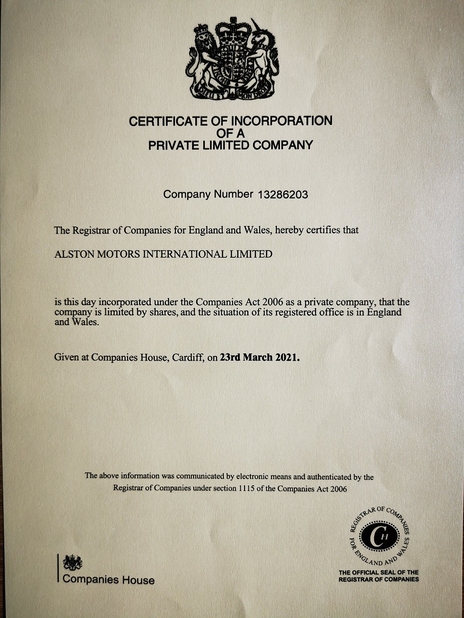
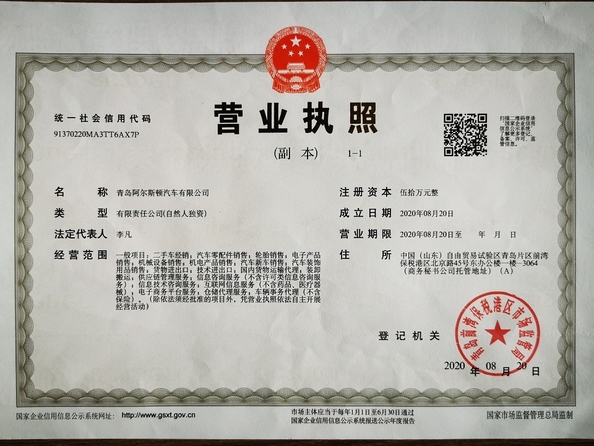
Certification
China Qingdao Alston Motors Co., Ltd certification
Customer Reviews
The best quality trucks with reasonable price, i am so satisfied after received the used howo tipper trucks. Will order more in the future.

—— Mr.forson alex from Ghana

We are really glad to cooperate with your company. I ordered many trucks from several suppliers, you are the most precious partner i want to collaborate with!

—— Anthony Maisamari from Nigeria

I just received the used howo tractor, it's so amazing, just like new one from sinotruk! I couldn't wait for placing a new order! So satisfied with your service!

—— Rashid Omar from Tanzania

I'm Online Chat Now
  • Production Line

    Used HOWO Truck Refurbishment Production Line

    Qingdao Alston Motors Co., Ltd operates a used HOWO truck refurbishment workshop in Liangshan, Jining, Shandong Province, China. The facility supports vehicle assessment, mechanical repair, chassis and cabin refurbishment, upper-body preparation, electrical and hydraulic work, market-specific configuration and export preparation for overseas buyers.

    The workshop mainly handles used HOWO dump trucks, tractor trucks, concrete mixer trucks, fuel tank trucks, water tank trucks, cargo trucks and other heavy-duty commercial vehicles.

    Vehicles are prepared for applications including mining, construction, infrastructure, fuel distribution, logistics, material transport and other demanding commercial operations across Africa, the Middle East, Central Asia and other international markets.

    The refurbishment process focuses on mechanical condition, structural integrity, functional reliability and maintenance practicality rather than exterior appearance alone.

    Workshop Facilities and Working Areas

    The refurbishment workshop is equipped with maintenance equipment, lifting systems, diagnostic tools, testing equipment and working areas required for heavy-duty commercial vehicle repair and reconditioning.

    Dedicated work areas support:

    • Initial vehicle assessment

    • Engine and gearbox maintenance

    • Chassis repair and reinforcement

    • Axle and suspension servicing

    • Brake system maintenance

    • Cabin restoration

    • Electrical system repair

    • Hydraulic system servicing

    • Surface preparation and repainting

    • Upper-body repair or installation

    • Tire and wheel replacement

    • Export preparation

    The workshop layout supports both individual truck refurbishment and batch preparation for multi-unit export orders.

    Different operations are handled according to vehicle condition, truck type and customer requirements rather than applying the same refurbishment package to every vehicle.

    Initial Vehicle Assessment

    Refurbishment begins with an assessment of the truck’s actual condition.

    The purpose of this stage is to determine which systems require repair, servicing, replacement or further testing before refurbishment work begins.

    The technical team may review:

    • Engine operating condition

    • Transmission and driveline performance

    • Axle and suspension condition

    • Chassis structure

    • Brake system

    • Steering system

    • Tire condition

    • Electrical components

    • Hydraulic systems

    • Cabin condition

    • Upper-body structure

    This initial assessment helps define the required refurbishment scope and prevents unnecessary work on components that remain suitable for continued operation.

    Vehicles with serious structural or mechanical conditions that are unsuitable for the intended refurbishment program can be excluded before further preparation.

    Mechanical Repair and Drivetrain Preparation

    Mechanical condition is one of the main priorities in the refurbishment process.

    Depending on vehicle condition, work may include servicing or repair of the engine, gearbox, driveline, axle assemblies, suspension, braking system, cooling system and related mechanical components.

    Common workshop tasks may include:

    • Engine servicing

    • Transmission maintenance

    • Driveline inspection and repair

    • Axle servicing

    • Suspension maintenance

    • Brake system repair

    • Cooling system servicing

    • Pipeline replacement

    • Lubricant and filter replacement

    • Replacement of worn maintenance components

    The objective is to prepare the truck for stable commercial operation while keeping the configuration practical for future maintenance.

    For trucks intended for mining, construction or heavy-load transport, greater attention may be placed on drivetrain condition, axle components, braking systems, chassis structure and cooling performance.

    Chassis Repair and Structural Refurbishment

    The chassis is a critical area for heavy-duty trucks operating under repeated loading and rough-road conditions.

    The workshop can support chassis inspection, repair, reinforcement where required, surface preparation and repainting according to the condition of the vehicle.

    Structural work may include:

    • Chassis repair

    • Localized reinforcement

    • Cross-member inspection

    • Mounting-point repair

    • Surface treatment

    • Anti-corrosion preparation

    • Chassis repainting

    For dump trucks, tank trucks and other specialized vehicles, the relationship between the chassis and upper-body mounting points is also considered during refurbishment.

    Structural work is carried out according to the existing vehicle condition and intended application rather than as an appearance-only repainting process.

    Cabin Restoration and Interior Refurbishment

    Cabin condition can affect both driver usability and the overall service life of the vehicle.

    Depending on the truck, refurbishment may include cabin repair, restoration or replacement.

    Cabin-related work may include:

    • Exterior body repair

    • Cabin repainting

    • Interior cleaning and refurbishment

    • Seat repair or replacement

    • Dashboard component checking

    • Lighting repair

    • Electrical repair

    • Door and window mechanism servicing

    For trucks requiring more extensive restoration, a replacement cabin may be considered according to vehicle condition and buyer requirements.

    The objective is to restore practical working condition while maintaining compatibility with the truck’s electrical and mechanical systems.

    Upper-Body Repair and Installation

    Different commercial applications require different upper-body structures.

    The workshop supports repair, replacement and installation of selected truck bodies according to project requirements.

    Available work may include:

    • Dump body repair or replacement

    • Cargo body installation

    • Fence cargo body installation

    • Fuel tanker tank installation

    • Water tanker tank installation

    • Concrete mixer drum installation

    • Other special-purpose body preparation

    For dump trucks, hydraulic lifting components and mounting structures are checked during body preparation.

    For tank trucks, pipelines, valves, pumps and related systems can be coordinated according to the required configuration.

    Concrete mixer trucks may require drum, hydraulic and rotational system preparation according to the condition of the vehicle and project requirements.

    This flexibility allows one chassis platform to be prepared for different commercial applications where technically suitable.

    Hydraulic and Electrical System Work

    Hydraulic and electrical systems are important for both vehicle operation and specialized working equipment.

    The workshop can support inspection, repair and replacement of relevant components according to vehicle condition.

    Hydraulic work may involve systems used for:

    • Dump body lifting

    • Tanker pumping

    • Concrete mixer operation

    • Auxiliary working equipment

    Electrical work may include:

    • Lighting systems

    • Starting and charging circuits

    • Dashboard systems

    • Wiring repair

    • Battery replacement

    • Electrical accessories

    The goal is to restore functional reliability and reduce avoidable operating problems after delivery.

    Market-Specific Vehicle Configuration

    Vehicle requirements vary between export markets.

    Qingdao Alston Motors can support selected market-specific configurations according to vehicle type, destination and customer requirements.

    Configuration work may include:

    • Left-hand-drive or right-hand-drive preparation

    • Engine and fuel-system configuration

    • Tire selection

    • Upper-body specification

    • Cargo-body dimensions

    • Tank capacity

    • Mixer drum configuration

    • Repainting requirements

    • Spare parts preparation

    For selected trucks supplied to right-hand-drive markets such as Tanzania, Zambia, Uganda and Kenya, LHD-to-RHD conversion may be supported where technically suitable and required by the project.

    For some markets where simplified maintenance is preferred, selected vehicles may also be prepared with mechanical fuel-system configurations according to local maintenance requirements.

    These adaptations are intended to improve the practical suitability of the vehicle for its destination rather than simply change exterior specifications.

    Surface Preparation and Repainting

    Repainting is part of refurbishment, but it is not treated as a substitute for mechanical work.

    After structural and mechanical preparation, trucks may undergo surface treatment, repair and repainting according to the agreed refurbishment level.

    This process may include:

    • Surface cleaning

    • Rust treatment

    • Local body repair

    • Primer application

    • Chassis repainting

    • Cabin repainting

    • Upper-body repainting

    • Customer-specified color preparation

    Painting is normally completed after the main repair work so that exterior finishing does not conceal unresolved structural or mechanical issues.

    Tires, Wheels and Wear Components

    Tire and wheel condition can directly affect vehicle safety, operating cost and readiness for work.

    Depending on truck condition and customer requirements, the workshop can support tire replacement, wheel inspection and replacement of selected wear components.

    Other commonly replaced maintenance items may include:

    • Filters

    • Lubricants

    • Batteries

    • Pipelines

    • Belts

    • Electrical components

    • Brake-related wear parts

    • Selected hydraulic components

    Replacement decisions are based on vehicle condition, agreed refurbishment scope and intended use.

    Technical Team

    The refurbishment work is supported by engineers, mechanics, welders, painters, electricians and commercial vehicle technicians familiar with HOWO trucks and heavy-duty vehicle systems.

    The technical team participates in:

    • Vehicle assessment

    • Mechanical repair

    • Structural work

    • Electrical troubleshooting

    • Hydraulic servicing

    • Cabin refurbishment

    • Upper-body preparation

    • Market-specific configuration

    • Export preparation

    Internal technical training helps maintain familiarity with different HOWO configurations, refurbishment procedures and overseas operating requirements.

    The workshop also works with parts suppliers and component manufacturers when replacement or matching of specific parts is required.

    Batch Refurbishment for Export Orders

    The workshop is capable of supporting multi-unit refurbishment projects for overseas fleet buyers.

    For batch orders, vehicles can be organized according to:

    • Truck model

    • Required specification

    • Refurbishment level

    • Destination country

    • Steering configuration

    • Upper-body type

    • Repainting requirements

    • Shipment schedule

    A structured workflow helps maintain consistency across trucks while still allowing individual units to receive different repair work according to their actual condition.

    This is particularly useful for contractors, fleet operators and vehicle dealers purchasing multiple trucks for mining, construction, logistics or infrastructure projects.

    Production-to-Quality-Control Handover

    The refurbishment workshop is responsible for preparing the vehicle, while final inspection and pre-shipment verification are handled through the company’s dedicated quality-control process.

    After refurbishment work is completed, major mechanical and functional systems can be checked before export preparation.

    Detailed inspection stages, operational testing and pre-shipment verification are covered separately on the Quality Control page.

    This separation helps distinguish between two different functions:

    The workshop repairs and prepares the truck.
    Quality Control verifies the completed condition before shipment.

    Export Preparation

    After refurbishment and required verification, vehicles are prepared for export according to the order and shipping arrangement.

    Export preparation may include:

    • Final cleaning

    • Vehicle identification confirmation

    • Configuration confirmation

    • Basic shipment preparation

    • Loading-related preparation

    • Spare parts coordination

    • Documentation communication

    The objective is to move the vehicle from workshop completion to export readiness in a controlled process.

    Detailed documentation, shipment coordination and after-sales services are handled separately through Qingdao Alston Motors’ broader commercial vehicle export services.

    Applications for Refurbished HOWO Trucks

    The workshop prepares trucks for a range of commercial applications, including:

    • Mining and ore transport

    • Road construction

    • Earthwork

    • Aggregate hauling

    • Infrastructure projects

    • Fuel distribution

    • Water transport

    • Concrete delivery

    • Container transport

    • Regional logistics

    • Long-distance freight

    Vehicle preparation can be adjusted according to payload, terrain, operating distance, climate, road conditions and local maintenance capability.

    Refurbishment Focus for Demanding Markets

    Heavy-duty trucks used in developing markets often operate under different conditions from vehicles used mainly on paved highways.

    High payloads, rough roads, dust, heat, long working hours and limited access to specialized workshops can place greater demands on major mechanical systems.

    For these applications, Qingdao Alston Motors places greater emphasis on:

    • Chassis integrity

    • Drivetrain condition

    • Axle and suspension reliability

    • Braking performance

    • Cooling-system condition

    • Hydraulic operation

    • Tire condition

    • Maintenance accessibility

    • Parts compatibility

    The objective is to prepare vehicles for practical working conditions rather than optimize only exterior appearance.

    About the Refurbishment Workshop

    The Qingdao Alston Motors refurbishment workshop is located at:

    Dongma Road, Liangshan Town, Jining City, Shandong Province, China

    The facility supports used HOWO truck refurbishment, technical preparation and export-oriented vehicle reconditioning for overseas customers.

    For buyers who want to learn more about vehicle inspection and final verification, visit the Quality Control page.

    For vehicle sourcing, spare parts, export documentation, shipment coordination and after-sales support, refer to the company’s Services section.

  • OEM/ODM

    OEM & ODM Customization Services

    Qingdao Alston Motors Co., Ltd provides OEM- and ODM-oriented customization support for refurbished HOWO trucks, semi trailers and commercial transport vehicles supplied to overseas markets.

    Customization is based on vehicle application, destination-country requirements, road conditions, payload, climate, maintenance capability and customer operating preferences.

    The company supports project-specific configurations for mining, construction, infrastructure, fuel transportation, logistics and other heavy-duty applications across Africa, the Middle East, Central Asia and other international markets.

    Rather than applying the same specification to every vehicle, Qingdao Alston Motors coordinates vehicle configuration, refurbishment scope, upper-body structure and selected components according to the intended working environment.

    Market-Specific Vehicle Customization

    Commercial vehicle requirements can vary significantly between markets.

    A truck intended for mining transport may require different chassis, tire and body considerations from a tractor used for long-distance highway logistics. Tanker trucks, mixer trucks and construction vehicles also require application-specific upper-body and working-system configurations.

    Customization options may include:

    • Left-hand-drive or right-hand-drive configuration

    • 6x4 or 8x4 drive configuration

    • Engine horsepower selection

    • Transmission configuration

    • Axle and suspension specification

    • Tire and wheel options

    • Cargo-body dimensions

    • Dump-body structure

    • Fuel tank capacity

    • Water tank capacity

    • Concrete mixer drum configuration

    • Hydraulic system configuration

    • Tanker pumps, valves and pipelines

    • Cabin and sleeper configuration

    • Electrical system preparation

    • Repainting and fleet color requirements

    • Spare parts preparation

    Final configuration depends on vehicle condition, technical compatibility, customer requirements and destination-market operating conditions.

    OEM-Oriented Configuration Support

    OEM-oriented services focus on matching vehicles with specified components, systems and configurations based on customer requirements.

    Qingdao Alston Motors works with established parts suppliers and component manufacturers to coordinate compatible components for refurbished trucks and commercial transport equipment.

    Support may include:

    • Engine and transmission configuration

    • Axle and drivetrain matching

    • Cabin and interior options

    • Hydraulic system components

    • Tanker system components

    • Electrical components

    • Tire and wheel selection

    • Upper-body components

    • Maintenance and replacement parts

    • Fleet-specific component preparation

    Component selection considers more than basic vehicle specification.

    Operating environment, maintenance accessibility, parts availability and expected workload are also considered when preparing trucks for overseas markets.

    This is particularly important for fleet operators that want similar configurations across multiple vehicles to simplify maintenance, spare parts management and technician training.

    ODM-Oriented Vehicle Solutions

    ODM-oriented services focus more on adapting a vehicle or transport solution around the buyer’s intended application.

    Instead of starting only with an existing truck specification, the process considers how the vehicle will actually be used after delivery.

    Support may include:

    • Vehicle application analysis

    • Configuration planning

    • Upper-body selection or adaptation

    • Special-purpose body preparation

    • Fleet configuration standardization

    • Market-specific vehicle adaptation

    • Technical specification adjustment

    • Commercial branding and fleet appearance

    • Spare parts planning

    • Refurbishment coordination

    For example, a mining contractor may require a different dump-body structure, tire configuration and chassis preparation from a construction company operating on shorter urban routes.

    A fuel distributor may place greater emphasis on tank capacity, pumping systems, valves and pipeline configuration, while a logistics operator may focus more on driveline condition, fuel efficiency, braking performance and driver usability.

    ODM-oriented preparation therefore begins with the application rather than treating the vehicle as a fixed specification.

    Heavy-Duty Truck Customization

    Customization support is available for different commercial truck categories, including:

    • Refurbished HOWO dump trucks

    • HOWO tractor trucks

    • Concrete mixer trucks

    • Fuel tank trucks

    • Water tank trucks

    • Cargo trucks

    • Selected special-purpose vehicles

    For dump trucks, customization may involve cargo-body dimensions, hydraulic systems, chassis preparation, tire selection and heavy-load configuration.

    For tractor trucks, buyers may request different horsepower levels, steering configurations, cabins, tires or driveline specifications according to trailer type and transport route.

    For tanker trucks, tank capacity, pump systems, pipelines, valves and related equipment can be coordinated according to the intended application.

    For concrete mixer trucks, drum capacity and related working systems can be selected according to project requirements and chassis compatibility.

    Semi Trailer Customization

    Qingdao Alston Motors also supports customized semi trailer configurations according to cargo type, payload and transport conditions.

    Supported trailer categories may include:

    • Fuel tanker semi trailers

    • Flatbed semi trailers

    • Lowbed semi trailers

    • Rear dump semi trailers

    • Bulk cement trailers

    • Other transport trailers according to project requirements

    Customization may include:

    • Trailer dimensions

    • Axle quantity and configuration

    • Suspension system

    • Tire specification

    • Loading platform structure

    • Ramp configuration

    • Tank structure

    • Tank capacity

    • Pipeline and valve systems

    • Cargo-body structure

    • Repainting and fleet branding

    Trailer specifications should be selected according to payload requirements, road conditions, cargo type and destination-market transport requirements.

    Right-Hand-Drive and Left-Hand-Drive Preparation

    Steering configuration is an important consideration for international truck exports.

    Selected truck models can be prepared or converted for right-hand-drive markets where technically suitable and required by the buyer.

    Right-hand-drive configurations may be relevant for markets including Tanzania, Zambia, Uganda and Kenya, while many other African and international markets operate primarily with left-hand-drive vehicles.

    The required configuration should be confirmed before refurbishment so that steering systems, cabin components, dashboard layout and related equipment can be prepared as part of the wider vehicle project.

    Mechanical Configuration for Maintenance Accessibility

    Some buyers operating in developing markets prefer vehicle configurations that can be maintained with widely available tools and technical skills.

    For selected vehicles and markets, mechanical fuel-system configurations may be considered where technically appropriate and requested by the buyer.

    The objective is not simply to reduce electronic components, but to match the vehicle with local maintenance capability, parts availability and operating conditions.

    Configuration decisions should therefore be made according to the specific truck, engine system and destination market rather than applying one solution to every vehicle.

    Upper-Body and Special-Purpose Vehicle Adaptation

    Upper-body configuration is one of the most important areas of customization for commercial trucks.

    Depending on chassis compatibility and customer requirements, Qingdao Alston Motors can coordinate:

    • Dump cargo bodies

    • Fence cargo bodies

    • Flat cargo bodies

    • Fuel tanker tanks

    • Water tanker tanks

    • Concrete mixer drums

    • Other special-purpose transport structures

    Body dimensions, capacity and working systems can be discussed according to payload, application and road conditions.

    For specialized trucks, hydraulic, electrical, pumping or rotational systems are considered together with the upper-body configuration rather than as separate cosmetic additions.

    Fleet Standardization Support

    For customers purchasing multiple trucks, consistent vehicle configuration can simplify fleet management.

    Qingdao Alston Motors can support batch orders with similar requirements for:

    • Engine and transmission configuration

    • Tire specification

    • Steering position

    • Cabin configuration

    • Body dimensions

    • Tank or mixer capacity

    • Repainting

    • Spare parts packages

    • Maintenance components

    Standardizing selected specifications across a fleet can make spare parts preparation, technician training and routine maintenance more manageable.

    Individual trucks may still require different refurbishment work according to their actual mechanical condition.

    Customization Process

    A typical customization project may follow these stages:

    1. Application Confirmation
      The buyer confirms vehicle type, working application, destination market, quantity and key operating requirements.

    2. Technical Configuration Review
      Suitable chassis, power, drivetrain, steering position, upper-body structure and other specifications are discussed.

    3. Customization Plan
      Required refurbishment work, component selection and vehicle modifications are defined.

    4. Workshop Preparation
      Mechanical, structural, electrical, hydraulic and upper-body work is completed according to the agreed scope.

    5. Configuration Verification
      The completed vehicle is checked against the confirmed order specification.

    6. Export Preparation
      Vehicles are prepared for shipment together with required order and configuration information.

    Detailed workshop and refurbishment capabilities are available on the Production Line section of the Factory Tour.

    Final mechanical inspection and pre-shipment verification are handled through the company’s dedicated Quality Control process.

    OEM & ODM Support for Overseas Projects

    The objective of Qingdao Alston Motors’ OEM- and ODM-oriented services is to help overseas buyers obtain commercial vehicles that are better matched to their actual applications.

    For fleets operating in mining, construction, logistics, infrastructure and fuel distribution, vehicle suitability depends on more than the original model specification.

    Payload, terrain, climate, maintenance capability, parts availability, steering configuration and specialized working equipment can all influence long-term operating performance.

    By coordinating vehicle sourcing, refurbishment, component matching, market-specific adaptation and upper-body preparation, Qingdao Alston Motors supports practical commercial vehicle configurations for different overseas operating environments.

  • R&D

    Research & Development

    Qingdao Alston Motors Co., Ltd focuses its research and technical development on the practical adaptation of refurbished HOWO trucks and commercial vehicles for overseas operating conditions.

    Rather than developing new truck platforms, the company’s technical work is centered on refurbishment standards, configuration optimization, maintenance accessibility, component compatibility and market-specific vehicle preparation.

    Experience from truck refurbishment, export projects, customer feedback and operating conditions in Africa, the Middle East, Central Asia and other international markets is used to improve technical decisions for future vehicles.

    The objective is to make refurbished commercial vehicles more suitable for real working environments involving mining, construction, infrastructure, fuel transport, logistics and other demanding applications.

    Applied Engineering for Overseas Markets

    Different markets place different demands on heavy-duty trucks.

    Road quality, ambient temperature, payload, transport distance, fuel quality, maintenance resources and local workshop capability can all influence how a vehicle should be prepared.

    Qingdao Alston Motors uses these factors when reviewing refurbishment requirements and vehicle configurations.

    Technical evaluation may consider:

    • Engine and drivetrain suitability

    • Chassis and suspension condition

    • Cooling-system requirements

    • Braking performance

    • Tire specification

    • Hydraulic-system requirements

    • Electrical-system complexity

    • Steering configuration

    • Upper-body application

    • Maintenance accessibility

    • Spare parts compatibility

    This applied engineering approach helps the technical team avoid using one refurbishment standard for every destination or application.

    Refurbishment Standard Development

    One of the main technical focuses is the continuous improvement of refurbishment standards.

    Vehicle condition can vary significantly between used trucks, so refurbishment requirements are determined according to the actual condition of each vehicle and the intended operating application.

    Internal technical standards may cover:

    • Initial condition assessment

    • Mechanical repair scope

    • Chassis and structural preparation

    • Cabin restoration requirements

    • Electrical and hydraulic servicing

    • Wear-component replacement

    • Upper-body repair or replacement

    • Surface treatment and repainting

    • Market-specific configuration

    • Export preparation

    The objective is to improve consistency in refurbishment decisions while allowing individual vehicles to receive different repair work according to their actual condition.

    Detailed workshop execution is handled through the Production Line, while completed vehicles are verified through the company’s separate Quality Control process.

    Reliability in Demanding Working Conditions

    Refurbished heavy-duty trucks supplied to mining, construction and infrastructure projects may operate under high loads, rough roads, dust, heat and long working cycles.

    These conditions can place greater stress on major mechanical and structural systems.

    Technical evaluation therefore gives particular attention to:

    • Chassis integrity

    • Axle and suspension condition

    • Drivetrain reliability

    • Cooling-system performance

    • Brake-system condition

    • Hydraulic-system operation

    • Tire suitability

    • Electrical-system stability

    • Load-bearing structures

    The purpose is not to claim that a refurbished truck can eliminate operating risk, but to identify preparation priorities for vehicles expected to work in demanding environments.

    Maintenance Accessibility and Serviceability

    Vehicle reliability depends not only on initial mechanical condition, but also on how easily the truck can be maintained after delivery.

    For this reason, maintenance accessibility is considered during technical planning.

    Relevant factors may include:

    • Availability of common replacement parts

    • Familiarity of local mechanics with the vehicle system

    • Complexity of electronic systems

    • Accessibility of service components

    • Compatibility of commonly used maintenance parts

    • Fleet standardization requirements

    For selected markets, buyers may prefer configurations that can be maintained using widely available tools, parts and technical knowledge.

    Where technically suitable and requested, selected vehicles may be prepared with simplified mechanical configurations to reduce dependence on specialized electronic diagnostic systems.

    Market-Specific Vehicle Adaptation

    Export markets differ in steering requirements, road conditions, operating regulations, maintenance practices and commercial applications.

    Qingdao Alston Motors therefore treats market adaptation as part of technical vehicle preparation.

    Possible adaptation areas include:

    • Left-hand-drive and right-hand-drive configuration

    • Engine and fuel-system configuration

    • Tire and wheel specification

    • Suspension setup

    • Cargo-body dimensions

    • Tank capacity

    • Mixer drum configuration

    • Hydraulic systems

    • Specialized upper-body structures

    • Repainting and fleet identification

    • Spare parts preparation

    Selected truck models may also be prepared or converted for right-hand-drive markets where technically suitable and required by the buyer.

    For some markets, mechanical fuel-system configurations may be considered where this better matches local maintenance practices and the existing vehicle platform.

    These adaptations are based on technical compatibility and project requirements rather than being applied to every vehicle.

    Application-Based Configuration Development

    Different truck applications require different technical priorities.

    Mining and Quarry Transport

    Vehicles used in mining and quarry operations may require greater attention to:

    • Chassis condition

    • Axle and suspension durability

    • Tire suitability

    • Cooling performance

    • Brake-system condition

    • Dump-body structure

    • Hydraulic operation

    Construction and Infrastructure

    Construction vehicles may require:

    • Reliable low-speed operation

    • Strong structural condition

    • Practical body dimensions

    • Stable hydraulic systems

    • Maintenance-friendly components

    Long-Distance Logistics

    Tractor trucks and cargo vehicles used for regional or long-distance transport may place greater emphasis on:

    • Engine and drivetrain condition

    • Gearbox matching

    • Brake stability

    • Cooling-system performance

    • Tire condition

    • Driver usability

    • Fuel-use considerations

    Fuel and Water Transport

    Tank trucks may require additional attention to:

    • Tank structure

    • Pump configuration

    • Pipeline layout

    • Valves

    • Mounting points

    • Chassis compatibility

    • Application-specific safety requirements

    This application-based approach helps align refurbishment and configuration work with the actual job the vehicle will perform.

    Fleet Configuration Standardization

    For customers purchasing multiple vehicles, technical consistency can improve fleet management.

    Qingdao Alston Motors can support configuration planning for batch orders involving similar vehicle types or applications.

    Standardization may include:

    • Engine and transmission configuration

    • Steering position

    • Tire specification

    • Body dimensions

    • Tank or mixer capacity

    • Cabin configuration

    • Electrical components

    • Spare parts packages

    • Repainting and fleet appearance

    Using similar configurations across a fleet can simplify spare parts planning, technician training and routine maintenance.

    Individual vehicles may still require different refurbishment work depending on their actual mechanical condition.

    Technical Feedback and Continuous Improvement

    Technical development is supported by information gathered from refurbishment work, export projects, customer feedback and overseas operating experience.

    Recurring maintenance issues, parts requirements, configuration preferences and application demands can be reviewed to improve future vehicle preparation.

    This feedback may influence:

    • Refurbishment priorities

    • Component selection

    • Spare parts preparation

    • Market-specific configuration

    • Maintenance recommendations

    • Upper-body specification

    • Technical inspection focus

    The purpose is to continuously improve the practical suitability of refurbished vehicles for different operating environments.

    Component Compatibility and Technical Evaluation

    Replacement and upgrade decisions require attention to compatibility with the existing vehicle platform.

    The technical team evaluates components according to factors such as:

    • Vehicle model

    • Engine and transmission configuration

    • Axle specification

    • Electrical compatibility

    • Hydraulic requirements

    • Upper-body structure

    • Maintenance availability

    • Intended operating environment

    Where replacement parts or systems are required, the company works with established suppliers and component manufacturers to coordinate suitable options.

    This helps reduce mismatched components and makes future maintenance more practical for fleet operators.

    Technical Development and Quality Control

    Research and technical development are separate from final vehicle inspection.

    The R&D function focuses on improving refurbishment standards, configuration logic and market adaptation.

    The Production Line applies the approved refurbishment and modification work.

    The Quality Control process then verifies key vehicle systems and completed work before shipment.

    This creates a clear technical relationship:

    R&D develops and improves the preparation approach.
    Production Line carries out the refurbishment work.
    Quality Control verifies the completed vehicle.

    Detailed inspection and pre-shipment verification procedures are available on the Quality Control page.

    Practical Technical Development for Refurbished Trucks

    Qingdao Alston Motors’ research and technical work is focused on practical vehicle preparation rather than theoretical product development.

    The company uses workshop experience, export-market requirements and customer operating feedback to improve refurbishment standards, vehicle configuration, component compatibility and maintenance accessibility.

    For refurbished HOWO trucks working in mining, construction, infrastructure, logistics and other demanding applications, this approach helps align technical preparation with real operating requirements and long-term fleet management needs.

Contact Details
Qingdao Alston Motors Co., Ltd

Contact Person: Mr. Bruce

Tel: +86 18315424206

Send your inquiry directly to us (0 / 3000)