

 English




What Are the Common Problems of Used HOWO Tipper Trucks in Road Construction Transport?
The most common problems of used HOWO tipper trucks in road construction transport are overheating, clutch and driveline wear, hydraulic leakage, damaged body mounts, weak brakes, steering play, tire defects, and signs of overloading. Buyers should approve a truck only after road, tipping, structural, and brake tests confirm that every material defect has been repaired or reflected in the price.
This representative composite case combines recurring findings from used HOWO tipper inspections. It does not describe a named customer or one shipment; it shows how inspection evidence changes a repair, repricing, or rejection decision.
1. Buyer Case Background: A Used HOWO Tipper Truck for Road Construction Hauling
A road-construction tipper must be judged against its actual route, material, trip frequency, and practical payload before condition or price can be assessed. The case specification was a 6×4 HOWO with a 371 HP engine, HW19710 gearbox, hub-reduction rear axles, and an approximately 20 m³ cargo body for crushed stone, laterite, and road-base transport.
The intended cycle covered 20–35 km return trips between a quarry stockpile and a road project, including dusty access roads, short gradients, repeated loading, and frequent braking. Buyers comparing 6×4 HOWO tipper trucks for roadwork hauling should provide this profile before requesting a final configuration.
| Case Factor | Planned Requirement | Main Buyer Risk |
|---|---|---|
| Drive configuration | 6×4 | Insufficient traction on loose access roads |
| Engine and gearbox | 371 HP, HW19710 | Weak loaded starts or poor shift quality |
| Cargo body | About 20 m³ | Overloading dense stone or road base |
| Daily route | 20–35 km cycles | Heat, brake wear, and tire damage |
| Discharge area | Firm, level dumping point | Tipping instability or rollover |
2. What Problems Were Identified During the Initial Inspection and Road Test?
The initial inspection found repairable mechanical defects, but it also identified warning signs that required closer structural and load testing. The first drive showed delayed boost response, a high clutch engagement point, moderate steering free play, uneven wear on one front tire, and gradual air-pressure loss after shutdown.
Oil dampness appeared around a hydraulic hose connection, while fresh coating near a rear cargo-body bracket suggested earlier repair work. The inspection sheet recorded each fault, assigned a repair or investigation action, and withheld approval until the affected system passed a repeat test.
3. What Did the Engine and Cooling-System Checks Reveal Under Load?
The engine could not be approved until restricted airflow and a charge-air leak were corrected and the temperature remained stable during repeated acceleration. Dust and debris had reduced airflow through the radiator and intercooler stack, while a loose charge-air connection weakened boost response under load.
After cleaning and resealing, the retest required clean acceleration, no coolant loss, controlled blow-by, no continuous blue or white smoke, and a temperature gauge that stopped climbing. Persistent coolant pressurization or repeated overheating would have changed the decision from repair to rejection.
4. How Did the Clutch, Gearbox, and Drive Axles Perform During Loaded Starts?
A used tipper with clutch slip, gear jumping, or abnormal axle noise is not ready for road-construction transport. During the first incline-start test, engine speed increased faster than vehicle speed and the clutch engaged close to the top of pedal travel. A vibration also appeared during loaded acceleration.
Inspection confirmed significant clutch wear and excessive play in one propeller-shaft joint. Both parts were replaced because failure would stop the truck immediately. The retest required two clean incline starts, full-range HW19710 shifting, stable reverse engagement, and no unusual hub or differential temperature difference.
5. What Problems Appeared During the PTO and Hydraulic Tipping Test?
The first tipping test did not pass because oil appeared at a hose fitting and PTO response was delayed. The cylinder rod was straight and free from deep scoring, but the connection, control linkage, and hydraulic oil condition required correction before the system could be accepted.
The repaired system then completed three full raise-hold-lower cycles on firm, level ground without visible leakage, sudden body movement, or irregular pump noise. The NIOSH guidance on preventing dump-truck injuries during construction identifies unstable ground, improper loading, and incomplete material discharge as important dump-truck hazards. Buyers should therefore inspect both hydraulic function and tipping stability.
The HOWO dump truck hydraulic inspection guide covers PTO response, pump noise, cylinder condition, hose leakage, subframe integrity, and body movement.
6. Where Were Frame, Subframe, Cargo-Body, and Tailgate Defects Found?
Old repairs can be acceptable only when the surrounding structure is straight, stable, and free from active cracking. Coating around the rear body bracket was removed, exposing an earlier weld repair but no continuing crack. The bracket area was cleaned, checked for alignment, reinforced where required, and recoated only after structural acceptance.
Localized wear was also found near the discharge end of the body floor, where abrasive stone usually causes faster material loss. The hinges remained aligned, but one tailgate lock required adjustment. The road-construction dump truck selection guide helps buyers match body volume and construction with material density, route, turning space, and trip frequency.
7. Which Brake, Suspension, Steering, Tire, and Air-System Faults Increased Buyer Risk?
Steering play, pressure loss, weak brakes, and damaged tires are release-blocking faults because they directly affect control on unfinished roads. The case inspection found wear in one steering-linkage joint, irregular shoulder wear on a front tire, and leakage at an air-line fitting. The spring leaves were intact, but pins, bushings, brackets, and wheel bearings still required clearance checks.
The steering component and leaking fitting were replaced, and the tire fault was corrected. Retesting covered air-pressure build-up, low-pressure warning, service and parking brakes, steering response, wheel-bearing play, spring mounts, and tread. A lower price cannot justify unstable steering or uncertain braking.
8. Which Problems Were Repaired, Repriced, or Treated as Reasons to Reject the Truck?
Repairable service defects should be closed before shipment, measurable non-critical wear may be repriced, and unresolved safety or structural faults require rejection. Cooling restriction, charge-air leakage, clutch wear, shaft-joint play, hydraulic seepage, tailgate adjustment, steering wear, air leakage, and the tire defect were placed on the repair list.
Local body-floor wear could be repaired or reflected in the price after thickness and weld checks. Active frame cracking, persistent overheating, major gearbox damage, continuing brake weakness, or an unstable tipping system would have ended the purchase decision.
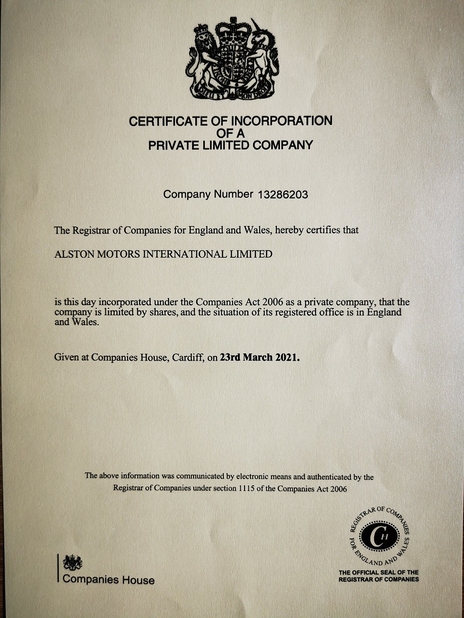
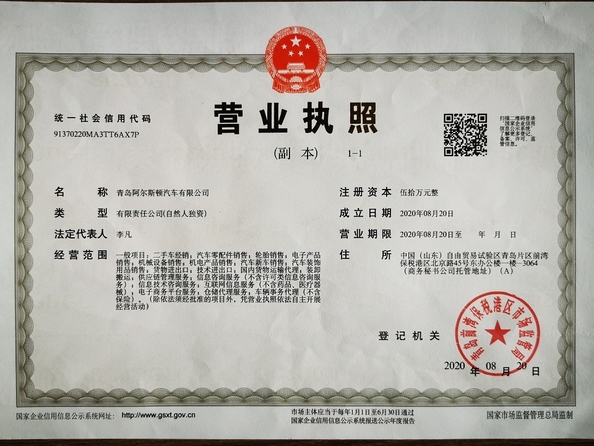
Qingdao Alston Motors uses a clear buyer-decision rule for used HOWO tippers: repair faults that can pass repeat testing, reprice documented non-critical wear, and reject defects that remain unsafe, structurally uncertain, or uneconomical after diagnosis.
| Inspection Finding | Decision | Evidence Required |
|---|---|---|
| Hose, fitting, linkage, or air leak | Repair | Dry, stable repeat test |
| Clutch or shaft-joint wear | Repair before shipment | Repeated loaded-start test |
| Local body-floor wear | Repair or reprice | Thickness and weld assessment |
| Active frame or subframe crack | Reject unless engineered repair is approved | Structural report and alignment evidence |
| Persistent overheating or weak braking | Reject | Stable road and brake-test result |
9. What Did the Pre-Shipment Retest Confirm Before the Final Purchase Decision?
Final approval was issued only after the repaired truck repeated every failed function without the original symptom returning. The closing test confirmed reliable cold starting, stable warm idle, stronger boost response, two clean incline starts, full gearbox operation, normal driveline behavior, three leak-free tipping cycles, secure tailgate locking, stable air pressure, and predictable steering and braking.
The evidence package included dated photographs, repair records, test videos, and an inspection sheet tied to the chassis number. Buyers can review Qingdao Alston Motors inspection and export experience and request a truck review for the intended load and route. Approval must identify the inspected truck, not only the model.
Frequently Asked Questions
What Is the Most Common Hydraulic Problem on a Used HOWO Tipper?
Aged hoses, leaking fittings, delayed PTO engagement, contaminated oil, and unstable lifting are common findings. Several complete tipping cycles are required.
Is Engine Smoke Always a Reason to Reject the Truck?
No. Brief start-up smoke requires diagnosis, but continuous blue smoke, heavy blow-by, coolant pressurization, or persistent white smoke must be corrected before approval.
Can a Worn Clutch Be Replaced Before Shipment?
Yes. The flywheel, release system, and gearbox input area should also be inspected, followed by repeated loaded-start testing.
How Can Buyers Detect Previous Overloading?
Inspect frame rails, body mounts, spring packs, hinges, tailgate alignment, tires, and old weld repairs. Related damage across several areas is a strong warning.
Should a Buyer Accept a Repaired Frame?
Only a documented repair with acceptable alignment and repeat-test evidence should be considered. An active or unexplained crack is unacceptable.
How Many Hydraulic Tipping Cycles Should Be Tested?
At least several complete raise-hold-lower cycles should be observed. This composite case used three cycles after repair.
What Evidence Should Be Supplied After Repairs?
Request the defect list, parts or repair record, dated photographs, test videos, inspection result, and chassis-number reference.
Written by: Bruce Li, Export Consultant
Reviewed by: Alston Motors Export & Technical Team
Company: Qingdao Alston Motors Co., Ltd