Bulk Cement Trailer for Powder Material Transport: Complete Buyer's Guide
A bulk cement trailer is a pneumatic tanker for cement, fly ash, lime, and dry powder transport, best selected by tank capacity, compressor output, sealing quality, discharge speed, axle load, and tractor compatibility.
1. What Is a Bulk Cement Trailer?
A bulk cement trailer is a semi trailer with a sealed powder tank, air compressor, fluidized bed, discharge pipeline, manhole covers, axles, suspension, landing gear, and braking system. Common export models use 2–3 axles and carry about 32–60 cubic meters of dry powder.
Unlike bagged cement transport, a bulk cement trailer moves powder through pneumatic pressure. This reduces manual loading, packaging waste, moisture exposure, and unloading labor. For cement plants, batching stations, ports, and road projects, one trailer can replace thousands of 50kg cement bags per trip.
For overseas buyers, a bulk cement trailer for powder material transport should be inspected as both a trailer and a discharge system. The chassis must carry safely, while the tank, compressor, valves, and pipelines must remain sealed under working pressure.
2. Main Applications of Bulk Cement Trailers
Bulk cement trailers are mainly used for cement, fly ash, lime powder, limestone powder, gypsum powder, and mineral powder. In Nigeria, Ghana, Kenya, Tanzania, Ethiopia, and Zambia, they are commonly used between cement plants, ports, batching stations, road projects, silos, and large construction sites.
Cement demand is closely linked to infrastructure growth. The IEA notes that developing economies’ infrastructure needs continue to support global cement demand, while global cement production reached 4,158 million tonnes in 2022. This explains why reliable bulk powder logistics remains important for large construction markets. (IEA)
Concrete is also a core construction material. The American Cement Association states that concrete is the most widely used resource in the world after water, and cement normally forms 10–15% of concrete mix by volume. Bulk cement logistics therefore supports roads, bridges, housing, and industrial projects. (American Cement Association)
3. Common Tank Capacity and Structure
Common tank capacities include 32m³, 40m³, 45m³, 50m³, and 60m³. A 40m³ trailer is widely used for cement and fly ash delivery, while 50m³–60m³ models suit longer routes, high-volume supply, and customers with stable silos or batching plants.
A typical 40cbm dry bulk cement tanker trailer may use 3 axles, 13-ton axle rating, 12R22.5 tires, and a tank body around 5mm thick. Final design should still follow local road rules, powder density, legal payload, and unloading-site conditions.
The tank structure usually includes front and rear end plates, internal fluidized bed, manhole covers, discharge outlet, butterfly valve, air chamber, and support frame. Buyers should check at least 2 manholes, 1 discharge outlet, and all main weld seams before shipment.
4. Air Compressor, Pipeline, and Discharge System
The air compressor is the core working part of a bulk cement trailer. Many export models use around 12m³/min compressor output, which helps pressurize the tank and fluidize cement powder. If compressor output is weak, unloading time may increase by 20–40%.
The discharge system normally includes compressor, diesel engine or PTO drive, air pipe, discharge pipe, butterfly valve, safety valve, pressure gauge, and fluidized bed. A 4-inch discharge pipe is common, but efficiency depends on pressure stability, cement dryness, pipe layout, and silo height.
Before buying, the trailer should complete a pressure and discharge test. Buyers should check air leakage, pressure drop, pipe blockage, valve movement, compressor noise, and residual powder. A trailer may look clean outside but still have internal blockage after 6–12 months of use.
5. Cement Trailer vs Fuel Tank Trailer
A cement trailer and a fuel tank trailer are both tanker-style semi trailers, but their cargo and safety logic are different. A cement trailer carries dry powder and uses pneumatic discharge, while a fuel tank trailer carries liquid fuel and requires anti-static, fire-safety, and leakage-control systems.
The working system is completely different. Cement trailers need an air compressor, dry tank, fluidized bed, pressure pipeline, discharge valve, and moisture protection. Fuel trailers need compartments, emergency shut-off valves, grounding devices, breathing valves, bottom loading systems, and fire extinguishers for flammable liquid transport.
Buyers should not use a cement tanker for liquid cargo. Cement powder needs airtight manholes, smooth airflow, and stable discharge pressure. A HOWO fuel tanker truck follows different design rules because diesel and petrol transport involve fire and environmental risks.
6. Safety and Sealing Checks Before Buying
Sealing quality is one of the most important inspection points. Buyers should check manhole covers, rubber gaskets, weld seams, pressure valves, discharge valves, and pipeline joints. In humid ports or rainy seasons, failed sealing may cause cement caking within 24–48 hours.
Pressure safety should be tested before shipment. The pressure gauge, safety valve, air pipe, compressor belt, diesel engine, and control valve should work normally. A proper inspection should include at least 2 pressure cycles because small leaks often appear only after heating and vibration.
The chassis also matters because powder cargo is heavy and sensitive to vibration. Buyers should inspect 13-ton axles, 12R22.5 tires, mechanical suspension, landing gear, king pin, brake chambers, and 24V electrical system. For rough African roads, mechanical suspension is usually easier to repair.
Based on Africa-bound trailer inspection experience, Qingdao Alston Motors advises buyers to request photos of the tank interior, compressor nameplate, manhole seal, discharge valve, axle tag, tire date code, and brake system. These 7 details help reduce misunderstanding before loading and final payment.
7. Bulk Cement Trailer Price Factors
Bulk cement trailer price depends on tank capacity, axle number, tank thickness, compressor brand, engine type, valve quality, tire brand, suspension type, brake system, painting process, and customization level. A 60m³ trailer usually costs more than a 40m³ model because it uses more steel.
Before quotation, buyers should confirm at least 7 items: tank capacity, axle number, compressor brand, discharge pipe size, tire brand, suspension type, and destination port. Without these details, two trailers that both look like 40m³ models may differ greatly in cost and performance.
Compressor and discharge configuration strongly affect operating value. A trailer with a reliable compressor, 4-inch discharge pipe, quality butterfly valve, and stable fluidized bed may cost more at purchase, but it can reduce unloading delay by 30 minutes or more per trip.
Buyers should compare total operating cost, not only factory price. A cheaper trailer may save USD 1,000–2,000 at order stage, but poor sealing, thin plates, weak compressor output, or low-grade tires can create cement loss and repair costs within 3–6 months.
8. Shipping from China to Overseas Markets
Export preparation should include tank inspection, compressor testing, pressure testing, valve checking, pipeline cleaning, axle inspection, brake testing, tire checking, painting inspection, and document confirmation. Buyers should request at least 10–15 photos and 1 compressor or discharge test video before shipment.
Most bulk cement trailers are shipped by bulk cargo, Ro-Ro, containerized shipment, or flat-rack method depending on dimension, route, and freight cost. Some trailers can be partly disassembled, but powder tanks need strong support to avoid deformation during sea transport.
For African ports such as Lagos, Tema, Mombasa, Dar es Salaam, Durban, Beira, and Djibouti, buyers should confirm local road rules before ordering. A 50m³ or 60m³ tank offers more volume, but legal payload still depends on axle-load limits and permits.
Qingdao Alston Motors usually recommends matching the trailer with a suitable HOWO tractor truck, fifth wheel, air brake connection, engine power, and cooling system. For loaded cement routes, many buyers choose 371HP–430HP tractors with strong braking performance.
African infrastructure demand supports long-term cement logistics. The African Development Bank estimated Africa’s infrastructure needs at USD 130–170 billion per year, with a financing gap of USD 67.6–107.5 billion. This demand covers transport, water, power, and construction-related infrastructure. (非洲开发银行)
Urban growth also supports cement and powder material transport. The World Bank states that over 4 billion people live in cities, cities generate about 80% of global GDP, and nearly 7 in 10 people are expected to live in urban areas by 2050. (世界银行)
Before placing an order, buyers can review exporter background, product range, and service experience on the About Us page. Trailer export involves at least 4 linked steps: technical confirmation, inspection, shipping coordination, and after-sales parts support.
9. FAQs About Bulk Cement Trailers
Q1: What can it transport?
Cement, fly ash, lime powder, gypsum powder, and mineral powder.
Q2: What capacity is common?
Common export capacities are 32m³, 40m³, 45m³, 50m³, and 60m³.
Q3: Is 40m³ enough?
Yes, 40m³ is common for cement plants and batching stations.
Q4: What compressor size is used?
Many cement trailers use around 12m³/min air compressors.
Q5: What should be inspected first?
Check sealing, compressor, valves, pipelines, brakes, axles, and tires.
Q6: Can it carry fuel?
No, cement trailers are for dry powder, not liquid fuel.
Q7: How is it shipped from China?
By bulk cargo, Ro-Ro, containerized shipment, or flat-rack method.
Q8: What tractor power is suitable?
A 371HP–430HP tractor is common for loaded cement trailer routes.
Written by: Alston Motors Editorial Team
Reviewed by: Export & Technical Team
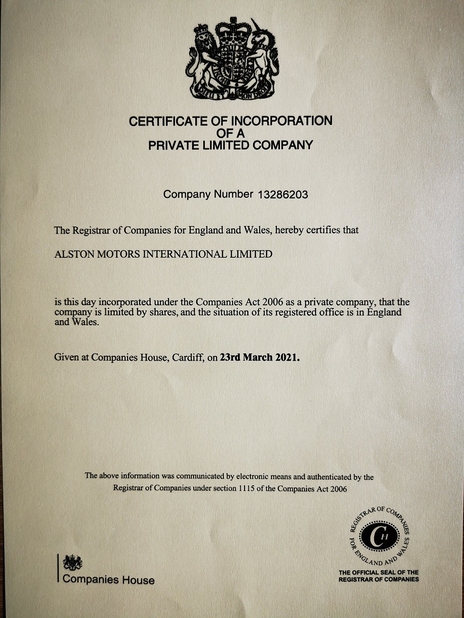
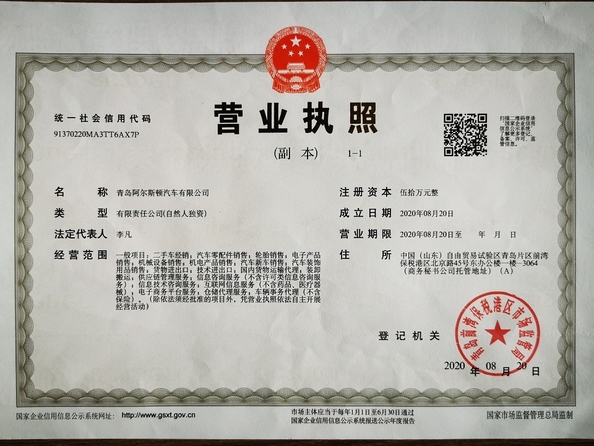
Company: Qingdao Alston Motors Co., Ltd
About Alston Motors Editorial Team:
Alston Motors Editorial Team shares practical insights on refurbished HOWO trucks, semi trailers, commercial vehicles, used cars, and export solutions for Africa and other developing markets. The content is based on the company’s experience in vehicle inspection, refurbishment, export coordination, spare parts support, and customer service for overseas buyers.

 Your message must be between 20-3,000 characters!
 English