What Safety Devices Must a Fuel Tanker Semi Trailer Have for Diesel and Gasoline Delivery?
A compliant fuel tanker semi trailer for diesel and gasoline delivery must feature DOT 406 or ADR structural certification, internal emergency shut-off valves, brake interlocks, optic overfill sensors, vapor recovery systems, rollover stability control (RSC), static grounding reels, and pressure-vacuum vents. Buyers hauling volatile gasoline must prioritize closed-loop vapor recovery and flame arrestors, whereas dedicated diesel fleets can optimize acquisition budgets by avoiding unnecessary vapor-tight hardware.
1. Regulatory Compliance (DOT 406 & ADR): Meeting Legal Baselines for Diesel and Gasoline
A fuel tanker semi trailer must hold valid DOT 406 (North America) or ADR (Europe and international export markets) certification before entering commercial fuel terminals. Gasoline carries a flash point below -40°C (-40°F), classifying it as a highly flammable liquid under the U.S. PHMSA Hazardous Materials Regulations, whereas diesel sits between 52°C and 96°C as a combustible fuel. Regulatory inspectors verify tank shell thickness—typically 5 mm to 6 mm for 5083 or 5454 aluminum alloy—and require hydrostatic pressure testing at 20 to 35 kPa alongside international frameworks like the UNECE ADR Agreement. Purchasing an uncertified tank results in immediate terminal gate rejection and voided commercial cargo insurance.
- Aluminum vs. Carbon Steel: Aluminum alloy shells reduce tare weight by 1,500 to 2,500 kg, increasing net payload capacity per trip on paved highways.
- Certification Data Plates: Buyers must verify stamped ASME, DOT, or ADR specification plates permanently welded to the front bolster before signing final acceptance documents.
2. Emergency Shut-Off Valves and Fusible Links: Stopping Leaks Before They Escalate
Internal emergency shut-off valves equipped with 70°C to 100°C fusible links are mandatory on every compartment outlet to isolate fuel during fire or rear-end collisions. Unlike external API bottom-loading adapters, internal emergency valves sit recessed inside the tank sump, protected by an engineered shear groove that snaps off cleanly upon severe impact without rupturing the main shell. Fleet buyers inspecting used or refurbished units should test the pneumatic or cable actuator response time, ensuring every valve closes completely within 3 seconds of emergency trigger activation.
| Safety Device |
Diesel-Only Requirement |
Gasoline & Mixed Requirement |
Primary Operational Risk |
| Internal Emergency Valve |
Mandatory (All Compartments) |
Mandatory (All Compartments) |
Uncontrolled spill during collision |
| Fusible Link / Thermal Cap |
Mandatory (70°C–100°C melt) |
Mandatory (70°C–100°C melt) |
Valve stays open during fire |
| Vapor Recovery Valve |
Optional in most jurisdictions |
Mandatory (Closed-loop system) |
Explosive vapor cloud at rack |
| Flame Arrestor |
Optional |
Mandatory on all vents |
External spark igniting tank interior |
| Optic Overfill Sensor |
Mandatory at automated racks |
Mandatory at automated racks |
High-pressure rack overflow & fines |
3. Brake Interlock Systems: Preventing Catastrophic "Drive-Away" Accidents During Unloading
Pneumatic brake interlock systems automatically lock the trailer axles whenever the discharge valve cabinet door opens or unloading hoses remain connected. Experienced fuel haulers consistently point to "drive-away" incidents—pulling away from a retail station while still hooked to underground storage tanks—as the fastest way to destroy a carrier's operating license. Interlock micro-switches connect directly to the trailer's emergency air brake line, requiring physical closure of all API dust caps and vapor recovery couplings before air pressure releases the spring brakes.
- Override Valve Inspection: Check that the emergency override bypass valve is sealed with a tamper-evident wire tag; broken seals indicate chronic sensor neglect by previous operators.
4. Overfill Protection and Optic Sensors: Preventing Costly Rack Spills and Terminal Bans
Five-wire or two-wire optic overfill prevention sensors must be installed at the top of each compartment to communicate directly with loading terminal rack monitors. Automated bulk fuel terminals pump at rates exceeding 2,000 liters per minute, meaning a 2-second sensor delay can dump 70 liters of gasoline onto the concrete apron and trigger permanent terminal bans. When sourcing a multi-compartment fuel tank semi trailer, confirm compatibility with industry-standard Scully Intellicheck sockets, as mismatched pin configurations force drivers to turn back empty from major refineries.
5. Vapor Recovery and Flame Arrestors: Why Gasoline Demands Tighter Controls Than Diesel
Multi-product tankers hauling gasoline require a closed-loop vapor recovery system paired with stainless-steel flame arrestors on every vent line. When gasoline fills an empty compartment, displaced hydrocarbon vapors exit through sequential vapor vents down a dedicated manifold into the terminal's recovery unit rather than venting into the atmosphere. Diesel does not generate explosive vapor pressures at ambient temperatures, allowing buyers building dedicated diesel fleets to skip complex vapor manifolds and save $2,500 to $4,000 per trailer in upfront valve hardware and ongoing gasket maintenance.
- Elastomer Seal Check: Verify that all API adapters and vapor valves use Viton (FKM) seals rather than standard Buna-N rubber, which swells and degrades rapidly when exposed to ethanol-blended gasoline.
6. Rollover Stability Control (RSC) and Baffle Design: Taming Liquid Surge on the Road
Internal transverse surge baffles spaced every 1.2 to 1.5 meters combined with electronic Rollover Stability Control (RSC) are essential to prevent dynamic liquid surge rollovers. Partially loaded compartments generate violent fore-and-aft and lateral weight transfers during emergency braking or highway exit curves. Baffles must feature upper vapor pass-through holes and lower drainage openings occupying less than 20% of the cross-sectional area, while RSC sensors monitor lateral acceleration above 0.35g and automatically apply individual wheel brakes before the trailer lifts off its inside tires. Pairing an RSC-equipped tanker with a properly matched heavy-duty HOWO 6x4 tractor truck ensures synchronized ABS and brake-force distribution across wet or uneven road surfaces.
7. Static Grounding and Bonding Reels: Eliminating Spark Risks During Fuel Transfer
Every fuel tanker must carry an automatic spring-rewind static grounding reel equipped with a heavy-duty copper clamp and at least 15 meters of steel-core cable. High-velocity fuel flowing through composite hoses generates thousands of volts of electrostatic charge capable of igniting gasoline vapors with a single spark. Before opening any delivery valve, operators clamp the reel directly to an unpainted grounding lug at the receiving station, ensuring electrical resistance stays below 10 ohms throughout the transfer process.
8. Pressure-Vacuum Vents and Rollover Manhole Covers: Protecting Tank Integrity in Extremes
Each compartment requires a 20-inch rollover-protected manhole cover integrated with an automatic pressure-vacuum (P/V) breather vent calibrated to +21 kPa pressure and -3 kPa vacuum. Rapid ambient temperature drops after hot-water tank steaming or daytime unloading can create an internal vacuum strong enough to implode an aluminum tank shell within minutes. Additionally, the top overturning protection rail—known as the coaming rail—must stand at least 25 mm higher than all manhole covers and optic sensors so the tank slides on structural aluminum rather than shearing off top fittings during a rollover.
| Pre-Shipment Inspection Item |
Target Specification / Pass Criteria |
Failure Consequence |
| Hydrostatic Shell Test |
Hold 20–35 kPa for 30 minutes with zero weeping |
Weld seam rupture under road vibration |
| Emergency Valve Closure |
Full mechanical shut-off within 3 seconds |
Massive fuel loss in rear-end collision |
| Static Grounding Continuity |
Resistance under 10 ohms from tank to clamp |
Electrostatic ignition during offloading |
| Overturning Coaming Height |
Minimum 25 mm clearance above top sensors |
Sheared manhole covers during rollover |
| Brake Interlock Trigger |
Immediate axle lock when cabinet door opens |
Hose rupture from accidental drive-away |
9. Total Cost of Ownership: How Sensor Reliability and Safety Specs Lower Insurance and Downtime
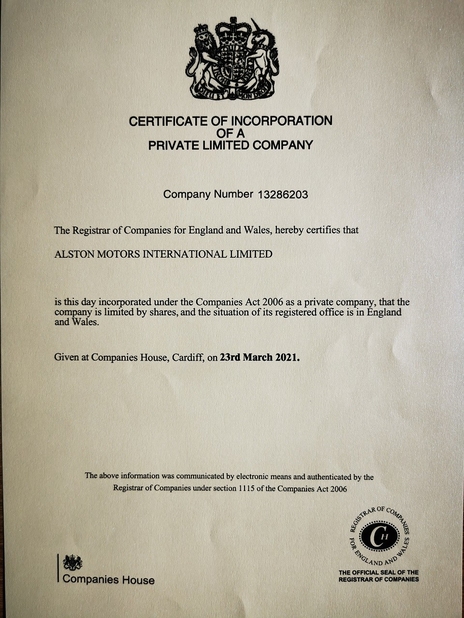
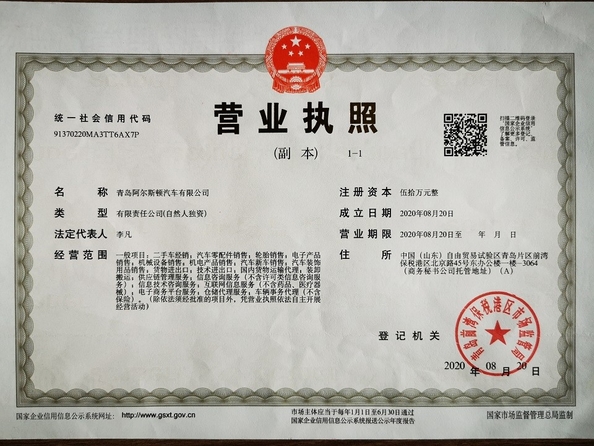
Investing in proven sensor brands and accessible valve manifolds lowers commercial hazmat insurance premiums by 10% to 18% while eliminating costly unscheduled downtime. Low-grade aftermarket optic probes frequently trigger false wet signals in humid or dusty operating environments, leaving trucks stranded at refinery gates and costing fleets $800 to $1,500 per lost shift. In our export refurbishment experience at Qingdao Alston Motors, equipping trailers with standardized, easily serviceable European or American valve assemblies prevents spare-part bottlenecks in remote African and Southeast Asian distribution corridors. For buyers evaluating prime movers alongside tankers, follow our chassis and structural inspection checklist for used HOWO trucks, browse our refurbished HOWO commercial truck inventory, review our quality protocols on the About Us page, or Contact Us directly to configure custom multi-compartment fuel tankers.
Frequently Asked Questions (FAQ)
1. Can I use a diesel-only tanker semi trailer to haul gasoline? No. A diesel-only tanker lacks closed-loop vapor recovery manifolds, flame arrestors, and Viton-grade vapor seals required by law for low-flashpoint gasoline. Attempting to load gasoline into a non-vapor-tight tanker results in immediate terminal rejection and severe regulatory fines.
2. How many compartments should a fuel tanker semi trailer have? Most commercial fuel tankers feature 3 to 6 independent compartments. Multiple compartments allow fleets to deliver different fuel grades—such as regular gasoline, premium gasoline, and ultra-low-sulfur diesel—in a single trip while minimizing dangerous partial-load liquid surge.
3. What is the difference between DOT 406 and ADR fuel tankers? DOT 406 is the mandatory safety standard for non-pressurized liquid fuel tankers in the United States and Canada, focusing on bottom-loading and rollover coaming height. ADR is the European and international road transport standard governed by UNECE, featuring stricter requirements on rear bumper underrun protection, electrical wiring insulation, and baffle spacing.
4. Why do optic overfill sensors fail or cause false trips at loading racks? Moisture condensation inside the sensor prism, scratched optical glass, or corroded 5-wire socket pins cause false wet signals. Fleet buyers should specify replaceable glass-prism sensors and coat socket contacts with dielectric grease during every preventive maintenance cycle.
5. Is aluminum better than carbon steel for a fuel tanker semi trailer? Aluminum alloy (5083 or 5454) is lighter by up to 2,500 kg, resists internal fuel corrosion without lining, and offers higher scrap value, making it ideal for highway deliveries. Carbon steel is heavier and requires internal epoxy coating for aviation or ultra-pure fuels, though it tolerates rough off-road mining tracks better.
6. How often must emergency shut-off valves and pressure vents be tested? Under standard DOT and ADR maintenance schedules, operators must perform external visual and leak checks daily, pneumatic or cable emergency shut-off actuation tests every 6 months, and full hydrostatic and P/V vent bench calibration tests annually.
Written by: Bruce Li, Export Consultant
Reviewed by: Alston Motors Export & Technical Team
Company: Qingdao Alston Motors Co., Ltd

 Your message must be between 20-3,000 characters!
 English