Can One Flatbed Semi Trailer Carry 20ft and 40ft Containers and Building Materials?
Yes. A flatbed semi trailer can carry 20ft and 40ft containers and also transport steel, timber, pipes, and palletized building materials. For port-to-construction logistics, choose a flatbed with approved container locking positions, a load-rated deck, and accessible tie-down points. Confirm the heaviest intended load and axle distribution before ordering.
1. Can One Flatbed Semi Trailer Transport 20ft, 40ft, and Two 20ft Containers?
A properly designed 40ft-class flatbed can carry one 20ft container, one 40ft container, or two 20ft containers, provided its locking layout supports each arrangement. The trailer must match the container corner castings, with each unit secured independently. A 20ft container positioned for correct axle balance may occupy the middle of the deck rather than the front.
For a fleet alternating between port pickups and building-site deliveries, that versatility matters more than the number of locks advertised. Compare flatbed trailers for containers and construction cargo by approved loading arrangement, not photographs alone.
2. What Trailer Length and Twist Lock Configuration Are Needed for Different Container Sizes?
A 40ft ISO container is 12.192 m long; a standard 20ft container is 6.058 m long. The deck and corner-support geometry must accommodate these lengths without obstructing the locking hardware. Four engaged corner restraints are normally required for each container, but the exact securing arrangement must comply with the vehicle design and applicable regulations.
Eight or twelve fitted twist locks describe hardware quantity, not proof of compatibility. Ask for a dimensioned drawing showing the locking points for one 20ft, one 40ft, and two 20ft containers. A separate container flatbed selection guide explains the underlying container configurations.
3. What Types of Building Materials Can a Flatbed Semi Trailer Carry?
A reinforced flatbed can carry bundled rebar, fabricated steel, timber packs, scaffolding, palletized bricks, bagged cement, and properly supported pipes. The deciding factor is not whether an item fits the deck; it is whether its contact points, dimensions, and restraint requirements suit the trailer.
Ten-meter steel sections need evenly arranged supports and secure restraint against forward and sideways movement. Pallets of cement require dependable load-bearing deck areas and protection against moisture. Concrete pipes need cradles or other anti-roll restraint, while tall stacked boards need packaging and tie-downs that prevent individual pieces shifting.
Loose gravel, sand, and demolition debris belong in an appropriate contained body. A general-purpose flatbed without sides is not a substitute for a bulk tipper, especially where material can spill during braking.
4. Can Containers and Building Materials Share the Same Flatbed Trailer on One Trip?
A loaded 20ft container and construction supplies can travel together only when the approved container position leaves usable deck area and both loads can be restrained independently. Remaining deck length is not the same as available payload. A centered 20ft container may split the free area into two shorter sections, unsuitable for long steel beams.
Consider a delivery carrying a 12-ton loaded 20ft container plus 6 tons of palletized blocks. The 18-ton combined cargo weight is only the first calculation; pallet placement, kingpin reaction, axle-group loads, and the deck's local strength must also pass.
| Load Combination |
Practical Assessment |
Main Check |
| One 20ft or one 40ft container |
Standard approved use |
Correct locking position |
| Two 20ft containers |
Possible with matching layout |
Independent restraint; axle loads |
| One 20ft container + pallets |
Possible on a specifically approved layout |
Remaining space and weight balance |
| One 40ft container + loose pallets |
Not practical on a 40ft deck |
No meaningful spare platform |
| Steel or timber without containers |
Suitable when properly supported |
Tie-downs and concentrated loading |
5. How Do Payload Capacity, Axle Loads, and Weight Distribution Limit Cargo Combinations?
The lowest applicable limit—not the advertised payload—determines how much freight a flatbed combination can legally carry. Check trailer structure, tires, axles, kingpin, tractor gross-combination rating, and the road rules for the operating country. A trailer described as "40-ton capacity" does not automatically have permission to carry 40 tons on public highways.
For mixed cargo, obtain the weights of the loaded container, pallets, and securing accessories. Mark their proposed positions on the drawing and request calculated kingpin and axle reactions for the heaviest case. A shift of a few meters can transfer substantial load between the tractor and trailer axles.
6. What Cargo Securing Methods Are Required for Containers and Building Materials?
Containers need approved corner securing; building materials need restraints chosen for the individual commodity and its movement risks. Container twist locks do not secure steel bundles lying beside a container. Rebar and fabricated steel need rated restraints and protection at sharp edges; timber bundles need correctly arranged tie-downs; cylindrical cargo needs anti-roll support.
The FMCSA cargo securement rules describe separate requirements for intermodal containers, lumber, and concrete pipe in US road transport. Other countries apply their own rules, so the carrier must check local compliance rather than copy a US tie-down count.
7. What Specifications Should Buyers Check on a 3-Axle 40ft Flatbed Semi Trailer?
For a 3-axle 40ft flatbed, the most useful specification is an approved cargo plan backed by component ratings and a structural drawing. A 12.5 m nominal platform, 12R22.5 tires, and multiple twist-lock positions are examples of marketed options, not universal requirements or proof of legal payload.
| Item to Verify |
Buyer Acceptance Check |
| Deck and main frame |
Dimensioned drawing; local load capacity |
| Container locks |
Position diagram; operation and mounting condition |
| Three axles and suspension |
Individual ratings; condition; axle-group spacing |
| Kingpin and fifth-wheel height |
Tractor compatibility; condition |
| Brakes and tires |
Matched ratings; functional inspection |
| Cargo lashing points |
Location, quantity, rated capacity |
Use the 40ft flatbed trailer models and technical options page to identify options, then obtain the actual unit's signed specification. A component-rated axle package is not a guarantee of legal road payload.
8. Flatbed vs. Skeleton vs. Sidewall Semi Trailer: Which Is Best for Mixed Cargo Transport?
A flatbed is the practical choice when containers and building materials are both routine cargo. Its continuous deck supports pallets and steel sections while container locks handle compatible corner fittings. A skeleton trailer generally has less structural deck area for non-container goods, though it is efficient for dedicated container haulage.
A sidewall trailer helps retain suitable bagged or packaged cargo but may complicate side-loading with cranes and forklifts. Operators should compare loading time as well as purchase price: removable posts, tie-down access, and the ability to unload at a site without a fixed dock affect daily productivity.
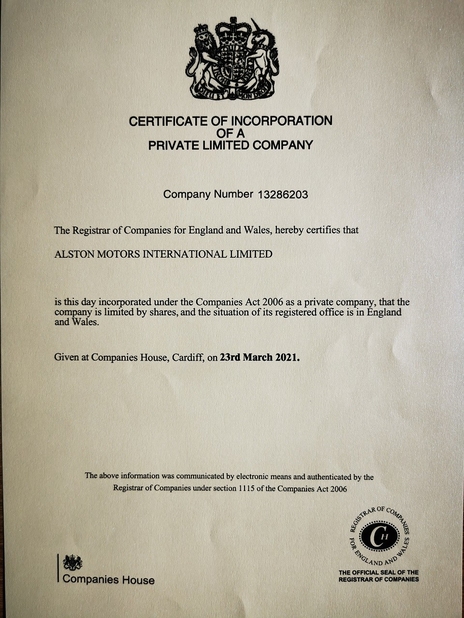
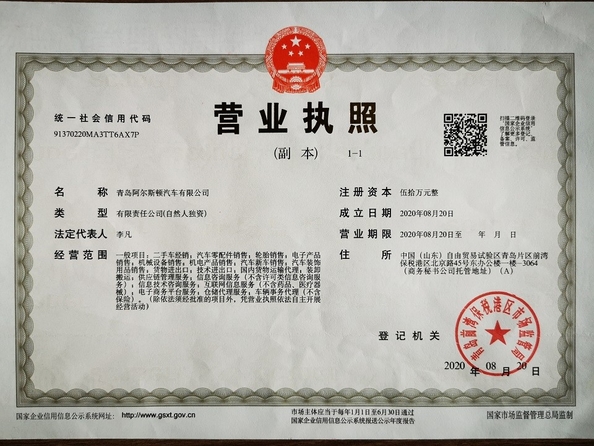
Qingdao Alston Motors' commercial vehicle and semi trailer export background provides context on its product scope; the actual mixed-cargo duty should still be specified in the order.
9. What Should Buyers Confirm Before Purchasing a Multi-Purpose Flatbed Semi Trailer?
Order a multi-purpose flatbed against a written loading plan, not a generic "40ft, three-axle" description. Include the maximum container gross weight, anticipated steel or pallet weights, loading equipment, site access, tractor fifth-wheel dimensions, route restrictions, and whether cargo is moved together or on separate journeys.
For buyers switching between 20ft containers and construction deliveries, Qingdao Alston Motors recommends confirming the approved lock positions, deck point-load limits, axle-load calculations, and rated lashing points before selecting a flatbed. Ask for detailed photographs, lock-operation checks, brake-test evidence, and the final configuration drawing.
An accurate quotation should separate trailer price from optional reinforcement, locking hardware, suspension, tires, shipping, and destination charges. Buyers can request a flatbed trailer configuration quote with cargo dimensions and destination country.
Frequently Asked Questions
1. Can one trailer carry both 20ft and 40ft containers?
Yes, when both loading arrangements are approved for its lock positions and frame.
2. Can two loaded 20ft containers travel together?
Yes, with two independently secured units and compliant weight distribution.
3. Can pallets fit alongside a 20ft container?
Sometimes. The container's approved position must leave usable deck space and adequate payload.
4. How many twist locks does a 40ft flatbed need?
Four corner positions secure one container; additional positions accommodate different container arrangements.
5. Is a 3-axle trailer always better?
No. Choose axles according to the actual load, road limits, and tractor combination.
6. Can a flatbed carry concrete pipes?
Yes, if the supports and anti-roll restraints are designed for the load.
7. What should I inspect before shipment?
Verify frame condition, lock engagement, tire and brake ratings, lashing points, and the loading drawing.
Conclusion
One properly specified flatbed can switch between container haulage and construction cargo without changing trailer type. Combining the two on a single journey is a separate engineering decision: confirm space, local deck strength, securing methods, and legal axle loads before accepting the load.
Written by: Bruce Li, Export Consultant
Reviewed by: Alston Motors Export & Technical Team
Company: Qingdao Alston Motors Co., Ltd

 Your message must be between 20-3,000 characters!
 English