What Should Buyers Inspect Before Buying a Fuel Tank Semi Trailer for Fuel Distribution?
Before buying a fuel tank semi trailer for fuel distribution, buyers should inspect the tank body, compartments, baffles, valves, discharge system, axles, brakes, tires, safety equipment, and inspection proof. For diesel, gasoline, and gas station supply, the right trailer must be sealed, tested, route-matched, and compliant with local transport rules.
1. Tank Body Condition: Thickness, Welding, Rust, and Internal Corrosion
Tank body condition should be checked first because leakage or internal corrosion can make a fuel trailer unsafe and expensive to repair. Common fuel tank semi trailers for distribution are often built in 35,000L to 60,000L capacity ranges, depending on axle layout, road limits, and delivery volume.
Buyers should inspect shell thickness, end plates, tank bottom, saddle areas, welding seams, repainting marks, and repaired sections. A clean painted surface does not prove the tank is healthy inside. Ask for manhole photos, internal video if available, and close-ups of lower tank areas where water residue, rust, and sediment often appear first.
2. Compartment Layout: Capacity, Fuel Types, and Delivery Routes
Compartment layout should match the fuel type, station route, and unloading plan. A single-compartment trailer is simple for one product, while 2–7 compartments help deliver diesel, gasoline, kerosene, or separate batches to multiple stations in one trip.
Buyers should confirm the capacity of each compartment, not only the total volume. For multi-station delivery, compartment design can reduce empty mileage and improve scheduling. Poor sealing between compartments may cause fuel mixing, shortage claims, or customer disputes. Each compartment should have clear manhole access, discharge outlet details, and sealing confirmation.
3. Baffles and Anti-Surge Design for Safe Fuel Transport
Baffles and anti-surge structure improve driving stability by reducing liquid movement during braking, turning, and partial-load operation. When a fuel tank semi trailer is not fully loaded, fuel surge can shift weight forward, backward, or sideways, increasing risk on slopes, curves, roundabouts, and uneven depot roads.
Buyers should request internal baffle layout, welding photos, compartment drawings, or tank structure confirmation. For a 45,000L tanker, internal reinforcement matters more than exterior paint because the trailer repeats loading, unloading, braking, and turning cycles every working day. Weak baffle welding can also accelerate tank deformation over time.
4. Bottom Valves, Manhole Covers, and Emergency Shut-Off Systems
Bottom valves, manhole covers, and emergency shut-off systems control sealing, loading access, unloading safety, and emergency response. A fuel tank semi trailer should not be accepted if these parts are missing, blocked, heavily rusted, leaking, or replaced with unsuitable fittings.
Inspect manhole gaskets, pressure relief function, bottom valve movement, discharge valve seat, emergency shut-off linkage, dust caps, and valve connection points. Small leakage around an outlet may become serious during hot weather, long-distance movement, or rough-road vibration. Buyers checking fuel tank semi trailers for diesel distribution should request close-up photos of every valve and outlet.
5. Pump, Pipeline, Hose, and Discharge System Inspection
The pump, pipeline, hose, and discharge system decide whether the trailer can unload fuel efficiently at gas stations, depots, farms, mines, or fleet yards. Buyers should inspect pipeline routing, hose condition, valve joints, discharge outlets, pump compatibility if equipped, and whether fittings match local unloading practice.
A practical test should show valve opening, water or fuel circulation, leakage checks, and discharge from each compartment. Slow unloading can delay several stops in one day, especially on multi-station routes. Buyers should also confirm hose size, couplings, and discharge fittings can be replaced locally, because non-standard parts may increase downtime after arrival.
Fuel Tank Semi Trailer Inspection Checklist
| Inspection Area |
What Buyers Should Check |
Risk If Ignored |
| Tank body |
Thickness, welds, rust, internal condition |
Leakage or costly repair |
| Compartments |
Capacity, sealing, outlet layout |
Fuel mixing or delivery disputes |
| Baffles |
Internal structure and weld quality |
Poor stability under partial load |
| Valves |
Bottom valve, manhole, emergency shut-off |
Leakage or safety failure |
| Discharge system |
Pipeline, hose, pump, couplings |
Slow unloading or route delays |
| Running gear |
Axles, brakes, suspension, tires |
Unsafe loaded operation |
6. Axles, Suspension, Brakes, and Tires for Loaded Fuel Distribution
Running gear should be evaluated as a fully loaded fuel distribution system, not as an empty trailer. A common tri-axle fuel tanker semi trailer may use 3x13-ton axles, mechanical suspension, and 12R22.5 tires, but actual condition is more important than the specification name.
Buyers should check axle brand, brake chambers, brake drums, air lines, suspension brackets, leaf springs, landing gear, tire age, tread depth, and rim cracks. Fuel distribution involves repeated braking near stations and depots, so weak tires or uneven brakes are not minor issues. A strong tank on poor running gear is still a risky purchase.
7. Safety Equipment: Anti-Static Grounding, Fire Extinguishers, and Warning Markings
Safety equipment is part of the purchase decision because fuel distribution involves flammable or combustible liquid transport. Buyers should inspect anti-static grounding devices, fire extinguisher positions, reflective markings, warning signs, rear bumper, ladder, walkway, handrails, spill-control readiness, and fuel-related labels.
The NFPA 385 tank vehicle standard can serve as a general safety reference for tank vehicles carrying flammable and combustible liquids. Qingdao Alston Motors evaluates fuel tank semi trailer condition by separating tank sealing, valve function, discharge layout, running gear, and safety equipment, rather than judging only by capacity or price.
8. Inspection Proof Before Payment: Videos, Pressure Test, and Capacity Confirmation
Inspection proof reduces purchase risk because many tanker defects are not visible in simple exterior photos. Buyers should request tank exterior video, manhole photos, internal inspection if available, valve close-ups, discharge test video, brake system photos, tire close-ups, axle photos, and pressure or sealing test confirmation.
Capacity confirmation is also important. Ask for compartment volume details, tank drawing, nameplate photos, or seller confirmation matching the invoice. Buyers can compare price and capacity logic with this 45,000L fuel tanker semi trailer export price guide before choosing a unit. A higher price may be reasonable when sealing, running gear, and discharge performance are clearly verified.
9. Final Buying Decision: Price, Compliance Risk, and Long-Term Use
The final decision should balance price, tank safety, route suitability, legal requirements, spare parts availability, and long-term operating risk. A low-priced fuel tank semi trailer may not be a good deal if it has hidden corrosion, weak valves, poor braking, unclear capacity, or missing safety equipment.
The UN Model Regulations on Dangerous Goods can be used as a broad reference for dangerous goods classification, markings, documentation, and transport control, but it does not replace local law. Buyers should ask a local clearing agent or transport authority about fuel transport rules. For wider sourcing, review fuel tank trailers and HOWO trucks for export, check Alston Motors semi trailer export background, or request fuel tanker trailer inspection photos and quote.
Frequently Asked Questions
Q1: What is the first thing to inspect on a fuel tank semi trailer?
Start with the tank body, welding seams, internal corrosion, bottom valves, and manhole covers. These parts directly affect sealing, fuel quality, and transport safety.
Q2: How many compartments should a fuel tank semi trailer have?
For one fuel type, one compartment may be enough. For multi-station delivery or different fuel products, 2–7 compartments can improve route efficiency and reduce mixing risk.
Q3: Why are baffles important in a fuel tanker semi trailer?
Baffles reduce fuel surge during braking, turning, and partial-load driving. They help improve trailer stability and reduce stress on the tank body.
Q4: Should buyers request a pressure test before payment?
Yes. A pressure or sealing test helps confirm whether the tank, valves, manholes, and discharge outlets can hold fuel without leakage.
Q5: What capacity is common for fuel distribution?
Many fuel tank semi trailers are built around 35,000L to 60,000L, but the right capacity depends on road limits, axle configuration, route distance, and station demand.
Q6: What safety equipment should be checked?
Check anti-static grounding, fire extinguishers, warning markings, reflective signs, emergency shut-off devices, handrails, ladders, and spill-control readiness.
Q7: What information should I send to get an accurate quote?
Send destination country, port, fuel type, preferred capacity, compartment number, axle requirement, material preference, discharge system, safety equipment request, budget, and inspection requirements.
Written by: Alston Motors Editorial Team
Reviewed by: Export & Technical Team
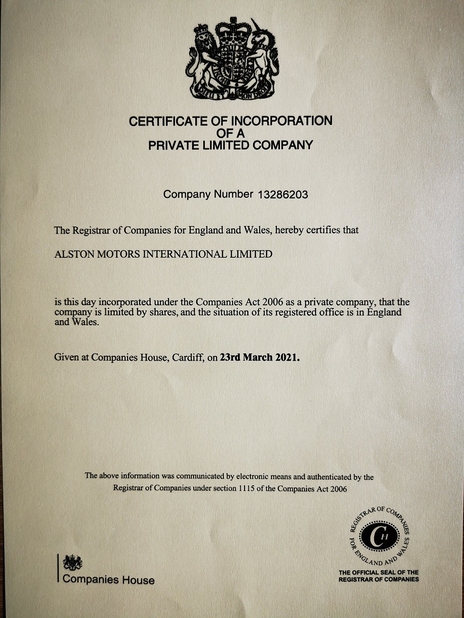
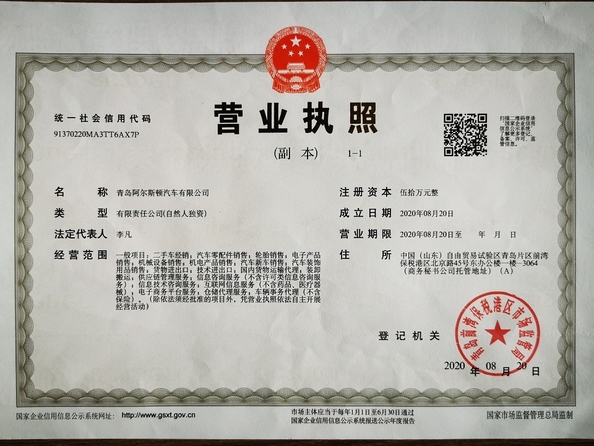
Company: Qingdao Alston Motors Co., Ltd
About Alston Motors Editorial Team:
Alston Motors Editorial Team shares practical insights on refurbished HOWO trucks, semi trailers, commercial vehicles, used cars, and export solutions for Africa and other developing markets. The content is based on the company’s experience in vehicle inspection, refurbishment, export coordination, spare parts support, and customer service for overseas buyers.

 Your message must be between 20-3,000 characters!
 English