How to Choose a Lowbed Semi Trailer for Construction Machinery Transport?
Choose a lowbed semi trailer by matching machinery weight, deck size, axle configuration, ramp type, tractor power, road conditions, and pre-shipment inspection requirements.
1. Why Is a Lowbed Semi Trailer Suitable for Construction Machinery Transport?
A lowbed semi trailer is suitable for construction machinery because its lower platform reduces transport height, lowers the center of gravity, and improves loading stability for heavy or oversized machines.
This matters when transporting excavators, bulldozers, wheel loaders, graders, road rollers, pavers, and drilling rigs. These machines are often too tall, too heavy, or too wide for standard flatbed transport, especially when road conditions include slopes, unpaved sections, bridge limits, or project-site access roads.
According to the African Development Bank, Africa invests about 4% of GDP in infrastructure, compared with 14% in China, and closing the gap could increase GDP growth by about 2 percentage points annually. This supports long-term demand for road, construction, and equipment transport solutions.
Buyers comparing trailer options can start from the lowbed semi trailer category page, then check payload, deck length, axle setup, ramp type, suspension, tire size, and suitable machinery examples before asking for a quotation.
2. What Construction Machinery Do You Need to Transport?
The first selection step is identifying the exact machinery, because a 22-ton excavator, a 35-ton wheel loader, and a 50-ton bulldozer need different trailer structures and loading safety margins.
Buyers should confirm the machine’s operating weight, total height, track width, tire width, wheelbase, attachment position, and whether the bucket, blade, boom, or ripper will be removed during transport. These details directly affect deck length, trailer width, ramp strength, and axle load distribution.
A practical rule is to choose a trailer with at least 10–20% more rated capacity than the machine’s working weight. For example, a 36-ton excavator should normally be matched with a trailer above the minimum 36-ton rating, especially for rough roads or frequent loading.
| Construction Machine |
Common Transport Concern |
Trailer Selection Focus |
| Excavator |
Track width, boom position, operating weight |
Deck width, payload, ramp strength |
| Bulldozer |
Heavy crawler base and blade position |
Main beam, axle load, low platform |
| Wheel loader |
High body and tire width |
Deck length, width, stability |
| Road roller |
Compact but heavy structure |
Anti-slip deck and ramp angle |
| Motor grader |
Long machine body |
Deck length and turning clearance |
3. How Much Loading Capacity Should a Lowbed Semi Trailer Have?
A lowbed semi trailer should be selected by real working load, not only by the machine’s catalog weight, because road conditions, loading frequency, and long-term fatigue all affect trailer life.
Common lowbed trailer payload ranges include 40 tons, 50 tons, 60 tons, 80 tons, and 100 tons. A 40-ton trailer may suit medium excavators and rollers, while 60-ton or 80-ton models are more suitable for large excavators, bulldozers, heavy loaders, and infrastructure project equipment.
Future Market Insights reported that the global semi-trailer market was valued at USD 38.7 billion in 2025 and was expected to reach USD 40.9 billion by the end of 2026. It also noted that lowboy models represent a major share of the market, showing strong demand for heavy-equipment transport.
Price should not be compared without structure. A cheaper lowbed semi trailer may cost more later if the main beam is underbuilt, axle brand is weak, tire size is unsuitable, ramps are too light, or paint and anti-rust treatment are poor.
4. How to Choose the Right Axle Configuration for a Lowbed Semi Trailer?
The right axle configuration depends on payload, road regulations, machine weight, tire load, maintenance cost, and whether the trailer will mainly run on highways, construction roads, or rough project sites.
A 2-axle lowbed semi trailer may work for lighter machinery, but it is usually not the best choice for regular heavy-equipment transport. A 3-axle lowbed semi trailer is the common export choice because it balances cost, load distribution, tire quantity, and maintenance convenience.
For heavier machinery or stricter axle-load requirements, 4-axle and multi-axle lowbed trailers are safer choices. Buyers should also check axle brand, suspension type, brake chambers, tire size, spare tire plan, and whether replacement parts are easy to find in the destination market.
| Axle Configuration |
Suitable Use |
Buyer Decision Point |
| 2 Axle |
Light machinery or short-distance use |
Lower cost, limited heavy-load ability |
| 3 Axle |
Excavators, loaders, rollers, graders |
Most balanced choice for export buyers |
| 4 Axle |
Heavy bulldozers and large excavators |
Better load distribution |
| Multi-Axle |
Oversized or special project cargo |
Higher cost, stronger transport capacity |
5. Why Do Platform Height, Deck Length, and Trailer Width Matter?
Platform height, deck length, and trailer width matter because they decide whether the machine can be loaded safely, transported within height limits, and balanced correctly on the trailer.
A low platform helps reduce total transport height, which is important for excavators, loaders, pavers, and other high-body machinery. Many buyers compare deck lengths around 9–13 meters and widths around 2.5–3.2 meters, depending on machine size and local road conditions.
Deck length affects weight distribution. If the platform is too short, the machine may overhang or place too much pressure on one section. If the deck is too narrow, crawler machines may sit too close to the edge, increasing loading and turning risk.
This is also where a semi trailers from China main category page is useful. Buyers can compare lowbed trailers with flatbed trailers, dump trailers, fuel tanker trailers, bulk cement trailers, and other transport equipment before choosing the correct model.
6. Hydraulic Ramp vs Mechanical Ramp: Which Is Better for Loading Equipment?
Hydraulic ramps are better for frequent loading and labor-saving operation, while mechanical ramps are simpler, cheaper, and easier to repair in markets with limited hydraulic service support.
For construction machinery, ramps are a safety component, not just an accessory. A weak ramp may bend, crack, or create an unsafe loading angle. Buyers should check ramp thickness, width, hinge structure, anti-slip design, hydraulic cylinder quality, and whether the ramp can handle crawler-track pressure.
Hydraulic ramps are suitable when excavators, rollers, and loaders are moved often between job sites. Mechanical ramps are practical when budget control and easy repair are more important, but the ramp structure must still be strong enough for the machine being loaded.
7. What Should Overseas Buyers Check Before Ordering a Lowbed Semi Trailer from China?
Overseas buyers should check structure, configuration, documentation, and supplier inspection ability before ordering, because the lowest price may not match the safest long-term transport solution.
A practical inspection checklist should include main beam size, steel thickness, deck length, payload, axle brand, suspension, tire size, brake system, kingpin, landing gear, ramp type, welding quality, paint condition, lights, and final photos or videos.
Qingdao Alston Motors usually recommends confirming at least eight points before balance payment: loading capacity, deck length, trailer width, axle configuration, suspension type, ramp type, tire size, and kingpin size. This reduces mismatch risk when the trailer reaches the buyer’s port or project site.
Buyers can also link this decision to an export inspection and quality control guide, especially when they cannot visit the factory. A good supplier should provide specification confirmation, close-up photos, walk-around videos, and final delivery checks before shipment.
8. How to Match a Tractor Truck with a Lowbed Semi Trailer?
A lowbed semi trailer must be matched with the correct tractor truck because horsepower, fifth wheel height, kingpin size, braking compatibility, and road conditions affect transport safety.
For heavy construction machinery, many buyers prefer a 6x4 tractor truck because it offers stronger traction and better stability than a 4x2 tractor under heavy load. The required engine power depends on gross combination weight, road slope, transport distance, and whether roads are paved or rough.
Kingpin size must match the tractor’s fifth wheel. Heavy-duty semi trailers may use 2-inch or 3.5-inch kingpins, so buyers should confirm this before shipment. Air brake connections, electrical plugs, tire condition, and fifth wheel height should also be checked.
For buyers already sourcing used HOWO tractor trucks, matching the tractor and lowbed trailer together can reduce configuration mistakes and improve transport performance after delivery.
9. What Export, Shipping, and Pre-Shipment Checks Are Needed Before Delivery?
Before delivery, buyers should confirm trailer specifications, shipping method, export documents, port loading condition, and final inspection records to avoid problems after arrival.
Depending on trailer size and shipping route, lowbed semi trailers may be shipped by bulk vessel, Ro-Ro, flat rack, or other project cargo methods. If containerized transport is involved, IMO SOLAS VGM rules require verified gross mass before a packed container is loaded onto a vessel.
Qingdao Alston Motors treats lowbed semi trailer export as a combined technical and logistics process: specification confirmation, production or stock inspection, photo and video checking, export documentation, port delivery, and shipping coordination. This matters because wrong deck size, axle setup, ramp design, or kingpin size can create real operating problems.
Before shipment, buyers should request final photos or videos showing ramps, lights, brakes, landing gear, kingpin, tires, paint, nameplate, visible welds, and overall trailer condition. For project buyers, the video should show the exact trailer being shipped, not a similar model.
Buyer Checklist Before Confirming a Lowbed Semi Trailer Order
| Check Item |
Recommended Confirmation |
| Machinery weight |
Add 10–20% safety margin |
| Deck length |
Match machine length and attachment position |
| Trailer width |
Confirm track width or tire width |
| Payload |
Choose by real working load, not only price |
| Axles |
3 axle for common use, 4 axle for heavier loads |
| Ramp type |
Hydraulic for frequent loading, mechanical for simple use |
| Kingpin |
Confirm 2-inch or 3.5-inch |
| Tractor match |
Check fifth wheel height, power, brakes, plugs |
| Tires and brakes |
Confirm size, quantity, air brake system |
| Export proof |
Photos, videos, documents, port loading records |
FAQs About Choosing a Lowbed Semi Trailer
1. What is a lowbed semi trailer mainly used for?
A lowbed semi trailer is mainly used for transporting excavators, bulldozers, wheel loaders, road rollers, graders, pavers, drilling rigs, and other heavy construction machinery.
2. Is a lowbed semi trailer better than a flatbed trailer?
For tall, heavy, or oversized construction machinery, a lowbed semi trailer is usually better because its lower platform improves stability and reduces total transport height.
3. What payload should I choose for excavator transport?
Choose a trailer with at least 10–20% more rated capacity than the excavator’s working weight, especially for rough roads or frequent loading.
4. Is a 3-axle lowbed semi trailer enough?
A 3-axle lowbed semi trailer is enough for many medium construction machines, but large excavators, bulldozers, or heavy project cargo may need 4 axles or customized design.
5. Which ramp is better, hydraulic or mechanical?
Hydraulic ramps are better for frequent loading and easier operation. Mechanical ramps are cheaper and easier to repair, but they require more manual work.
6. Can a lowbed trailer transport road construction equipment?
Yes. It can transport road rollers, graders, pavers, loaders, excavators, bulldozers, and other road construction equipment used in infrastructure projects.
7. Can I customize a lowbed semi trailer for different machines?
Yes. Buyers can customize payload, deck length, trailer width, axle quantity, ramp type, suspension, tire size, kingpin, and paint according to machinery and road conditions.
8. What should I check before ordering from China?
Check payload, main beam, axle brand, suspension, ramps, tires, brakes, kingpin, landing gear, welding, paint, photos, videos, and shipping documents.
Written by: Alston Motors Editorial Team
Reviewed by: Export & Technical Team
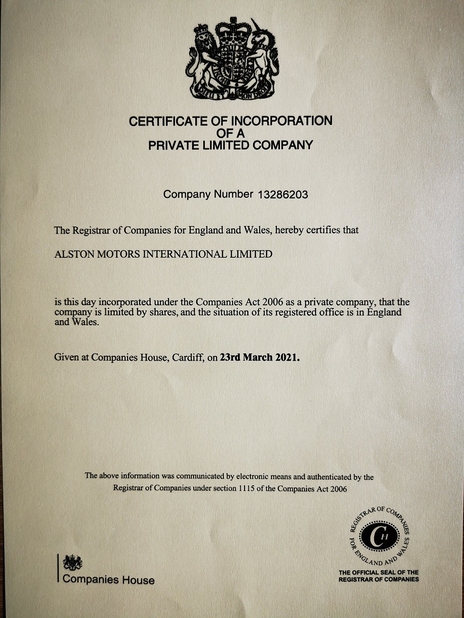
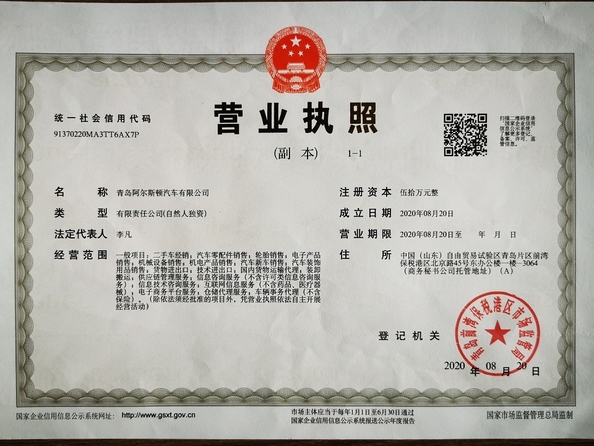
Company: Qingdao Alston Motors Co., Ltd
About Alston Motors Editorial Team:
Alston Motors Editorial Team shares practical insights on refurbished HOWO trucks, semi trailers, commercial vehicles, used cars, and export solutions for Africa and other developing markets. The content is based on the company’s experience in vehicle inspection, refurbishment, export coordination, spare parts support, and customer service for overseas buyers.

 Your message must be between 20-3,000 characters!
 English