Is a Used HOWO Water Tank Truck Suitable for Dust Suppression in Mining and Construction Sites?
Yes. A used HOWO water tank truck is suitable for mobile dust suppression on mining haul roads, quarry routes, construction access roads, earthwork areas, and material yards. For most heavy sites, choose a 15,000–20,000L 6x4 truck with a verified wet-system test, sound internal baffles, reliable brakes, controlled spray output, and practical refill access.
1. How Effective Is a Used HOWO Water Tank Truck for Mobile Dust Suppression?
A properly configured HOWO water tank truck is an effective mobile control for traffic-generated dust on unpaved roads. NIOSH identifies surface wetting with water as the most common method for controlling mine haul-road dust, while noting that traffic, dry weather, and material spillage make repeated treatment necessary.
The truck is most valuable where the dust source moves: haul roads, quarry lanes, stockyard approaches, earthmoving zones, and temporary construction routes. Crushers, conveyor transfer points, drilling areas, and enclosed silica-producing operations still require local sprays, enclosures, extraction, or another fixed control.
2. What Tank Capacity Matches the Site Area, Spray Frequency, and Refill Distance?
For most heavy projects, a 15,000–20,000L tank on a 6x4 chassis provides the best balance of coverage, mobility, and operating cost. Smaller 10,000–12,000L units suit compact sites with nearby water, while 20,000–25,000L trucks should be selected only for long routes with verified legal payload and strong roads.
| Operating Condition |
Practical Tank Range |
Main Decision Check |
| Compact construction site |
10,000–12,000L |
Turning and refill access |
| Quarry or medium earthworks |
15,000L |
Spray frequency and route length |
| Mine haul roads |
18,000–20,000L |
Axle load, brakes, and baffles |
| Long remote routes |
20,000–25,000L |
Legal weight and road strength |
Water adds about one tonne for every 1,000L carried. A nominal 20,000L load therefore adds roughly 20 tonnes before the tank, subframe, pump, fuel, driver, and tools are counted. Buyers should select a water truck capacity for mine-road dust control only after reviewing an empty-weight record and destination axle limits.
3. What Pump Flow, Spray Width, and Nozzle Configuration Does the Site Require?
The spray system must wet the complete traffic lane evenly without flooding wheel tracks or wasting water beyond the shoulder. Construction access roads are often 6–10 metres wide, so rear spray bars, front sprinklers, side nozzles, and any water cannon must match the actual route rather than a standard quotation.
Request a controlled low-speed spray test at 5–10 km/h. The pattern should have no blocked nozzles, heavy streams, weak sections, or dry gaps. Front and rear sprays cover the lane; side nozzles and a cannon serve shoulders, stockpiles, or embankments.
4. Are the PTO, Water Pump, Valves, and Control System Suitable for Continuous Operation?
Reject the truck if the PTO and pump cannot maintain stable output during a continuous wet test. A brief dry demonstration cannot reveal worn seals, slipping PTO engagement, hot bearings, restricted suction, leaking flanges, or pressure loss after the system warms.
For buyer acceptance, request at least 20–30 minutes of continuous operation with water in the tank. Test every spray outlet, valve, cab control, hose connection, and water cannon where fitted. Buyers comparing 15,000–20,000L refurbished HOWO water trucks should require one uninterrupted video rather than several edited clips.
5. Can the Chassis Remain Stable on Haul Roads, Slopes, and Unfinished Ground?
A 6x4 HOWO chassis is the correct default for a 15,000–20,000L dust-suppression truck working on mixed or rough roads. A partly filled tank allows water to surge, making transverse baffles, secure mounts, predictable steering, effective brakes, and matching tires more important than cosmetic refurbishment or maximum horsepower.
Inspect the tank for missing baffles, cracked welds, corrosion, and sediment. Check the subframe, mounts, chassis rails, torque rods, leaf springs, steering joints, and brake-air recovery. For rough-site work, matching heavy-duty tires with around 8mm of usable tread are preferable. The loaded test should include braking, turning, an uphill start, and a low-speed descent.
6. How Can Operators Control Dust Without Creating Mud or Slippery Roads?
Effective dust suppression keeps the road consistently damp; it does not saturate the surface. NIOSH states that regular light watering can be more effective than infrequent heavy watering and reduces hazards such as slick ramps and road degradation. Speed-linked discharge controls can also improve application.
Divide the route into high-, medium-, and low-dust zones. Reduce flow on downhill approaches, bends, intersections, shaded areas, clay surfaces, and recently graded sections. Increase frequency on dry, windy straight sections with heavy traffic. This addresses the field concerns operators repeatedly raise: standing water, mud carried onto public roads, poor tire grip, and unnecessary spraying after rain.
7. How Quickly Can the Truck Refill and Complete Each Dust-Control Cycle?
Refill time and travel distance often determine daily productivity more than tank capacity. A 20,000L truck loses its advantage when a weak source requires 40–45 minutes to refill, while a 15,000L unit may complete more useful cycles from a high-flow point close to the road.
Calculate the complete cycle: spraying, return travel, queueing, filling, leak inspection, and restart. Record water-source distance, hose diameter, suction height, filling method, and operating permission. A remote project also needs a backup source or storage tank; otherwise, one pump failure can stop dust control across the site.
8. What Should Buyers Inspect on a Used HOWO Water Tank Truck Before Purchase?
A used water tank truck must pass a heavy-truck inspection and complete wet-system test before purchase. Fresh paint cannot prove tank integrity, pump performance, braking, or loaded stability. Minimum evidence includes a cold start, full gear test, complete filling, continuous spraying, leakage inspection, loaded braking, and matching chassis and engine numbers.
| Inspection Area |
Buyer Acceptance Check |
| Engine and gearbox |
Cold start, smoke, leaks, full shifting |
| Tank and baffles |
Corrosion, welds, sediment, baffles |
| Pump and PTO |
20–30 minute wet operation |
| Pipes and valves |
No leaks; complete movement |
| Spray equipment |
Even front, rear, and side coverage |
| Chassis and brakes |
Loaded stop and mount inspection |
| Tires |
Matching size, casing, useful tread |
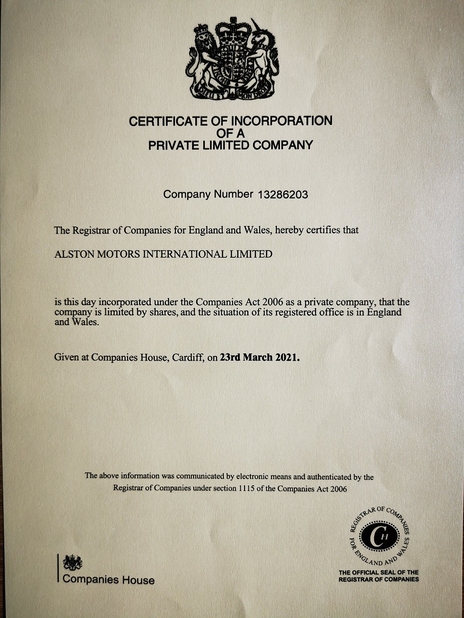
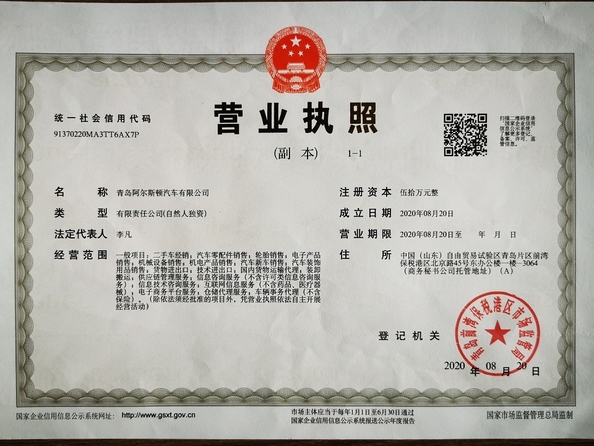
Qingdao Alston Motors applies a direct buyer rule: do not approve a water truck until it has carried water, sprayed continuously, stopped under load, and shown that the tank remains securely mounted. Buyers can review the Qingdao Alston Motors inspection and export process together with unit-specific videos and records.
9. When Is a Used HOWO Water Tank Truck Better Than Fixed Sprinklers or Other Dust-Control Equipment?
Choose a used HOWO water tank truck when dust moves across long roads or changes location as work progresses. It is the better option for haul roads, quarry routes, earthmoving areas, temporary access roads, and large yards where fixed pipelines would be expensive, vulnerable to damage, or repeatedly relocated.
Fixed sprinklers are better for permanent crusher yards, conveyor zones, plant entrances, and small automatic-treatment areas. Towed water tanks may suit very soft terrain, while approved chemical suppressants can reduce watering frequency. The water truck remains the best choice when mobility, legal payload, refill access, and maintenance support are confirmed.
Buyers evaluating a unit from Qingdao Alston Motors should rely on pump tests, tank inspection, loaded road performance, refurbishment records, export documents, and spare-parts planning—not supplier claims alone. They can request a site-specific water truck configuration review by providing road length, refill distance, gradient, surface material, operating hours, and destination port.
Frequently Asked Questions
Is a 15,000L HOWO Water Truck Large Enough for a Mine?
Yes. It suits short or medium haul roads with nearby refill access. Long remote routes usually justify 18,000–20,000L.
Is a 20,000L Tank Too Heavy for a 6x4 Chassis?
Not necessarily. It is suitable only when axle ratings, legal gross weight, brakes, tires, tank mounting, and empty weight are verified.
How Often Should a Haul Road Be Watered?
There is no universal interval. Traffic, wind, temperature, rainfall, road material, and visible dust return determine frequency.
Can a Water Cannon Replace Rear Spray Nozzles?
No. A cannon targets stockpiles and distant surfaces; a rear bar provides controlled road coverage.
What Is the Most Important Used-Truck Test?
A continuous wet-system test followed by a loaded road and brake test is the decisive inspection.
Should Dust-Suppression Water Contain Additives?
Plain water works for many roads. Additives must match the road material, environmental rules, pump components, and local approvals.
Is a Water Truck Suitable for Crusher Dust?
It controls surrounding road dust, but crushers and transfer points require fixed sprays or extraction.
Written by: Alston Motors Editorial Team
Reviewed by: Export & Technical Team
Company: Qingdao Alston Motors Co., Ltd
About Alston Motors Editorial Team:
Alston Motors Editorial Team shares practical insights on refurbished HOWO trucks, semi trailers, commercial vehicles, used cars, and export solutions for Africa and other developing markets. The content is based on the company’s experience in vehicle inspection, refurbishment, export coordination, spare parts support, and customer service for overseas buyers.

 Your message must be between 20-3,000 characters!
 English