Used HOWO Concrete Mixer Truck for Construction Projects: Complete Buyer's Guide
A used HOWO concrete mixer truck is a practical option for construction buyers who need 10m³–16m³ concrete delivery capacity, lower fleet cost, and reliable operation for roads, housing, bridges, factories, and infrastructure projects.
1. What Is a Used HOWO Concrete Mixer Truck?
A used HOWO concrete mixer truck is a pre-owned heavy-duty truck fitted with a rotating drum for transporting ready-mixed concrete. Common export models include 6x4 and 8x4 HOWO mixer trucks with 10m³, 12m³, 14m³, or 16m³ drum capacity.
For buyers comparing used HOWO concrete mixer truck for construction projects, the main value is cost control with usable working capacity. A properly inspected unit can support 3–5 years of project use when the drum, reducer, hydraulics, engine, gearbox, and chassis are checked before shipment.
A mixer truck should be judged by working condition, not fresh paint. Buyers should inspect at least 8 core areas before export: mixer drum, reducer, hydraulic pump, water tank, rollers, engine, gearbox, chassis, tires, and brake system.
2. Main Applications in Construction Projects
Used HOWO concrete mixer trucks are mainly used for road construction, housing projects, bridge works, factory floors, industrial parks, drainage projects, and municipal construction. In African markets, they often work within a 20–80 km radius between batching plants and job sites.
Concrete demand is closely linked to infrastructure development. Reuters reported that more than 14 billion cubic metres of concrete are poured every year, making it one of the most used construction materials for hospitals, houses, highways, and public works. (Reuters)
Africa’s infrastructure gap also supports mixer truck demand. The African Development Bank states that Africa needs about USD 130–170 billion per year for infrastructure, with an annual financing gap of USD 68–108 billion, creating demand for roads, housing, drainage, and concrete delivery equipment. (世界银行)
In Ghana, Kenya, Tanzania, Nigeria, Angola, and Zambia, mixer trucks commonly support road paving, housing estates, bridge foundations, factory slabs, and urban drainage works. A contractor running 2–5 active sites usually values stable concrete delivery more than exterior appearance.
3. Common Mixer Capacity Options
Common HOWO concrete mixer truck capacities include 10m³, 12m³, 14m³, and 16m³. A 10m³ unit is suitable for smaller urban projects, while 12m³ and 14m³ models are widely used for medium construction sites and ready-mix concrete delivery.
A 16m³ mixer truck may improve delivery volume per trip, but it also increases total weight, braking demand, tire wear, and turning difficulty. Buyers should choose capacity according to road width, site access, batching plant distance, and local load limits.
For mixed African construction work, 10m³–12m³ models are often easier to operate in cities, housing estates, and narrow access roads. Larger 14m³–16m³ units suit open roads, industrial sites, and projects needing 8–10 working hours per day.
4. How to Check the Mixer Drum Condition
The mixer drum should be inspected inside and outside before shipment. Buyers should check drum wall thickness, internal blade wear, welding repair marks, roller contact area, rotation smoothness, and concrete residue. Heavy buildup inside the drum reduces real usable capacity.
The drum should rotate forward and reverse smoothly for at least 5 minutes during testing. Abnormal noise, shaking, slow response, or uneven rotation may indicate reducer problems, roller wear, hydraulic weakness, or drum alignment issues that can become costly within 30–60 days.
Internal blade condition is especially important. Worn blades reduce mixing efficiency and unloading speed, even when the exterior drum looks clean. Buyers should request interior photos or video because 1 hidden drum problem can affect every delivery trip after arrival.
ASTM C94/C94M covers ready-mixed concrete delivered in a freshly mixed state and includes quality-related tests such as slump, temperature, air content, and compression testing. For mixer buyers, this shows why stable drum rotation, delivery timing, and discharge control matter. (ASTM International | ASTM)
5. Hydraulic System and Reducer Inspection
The hydraulic system controls drum rotation, discharge speed, and working stability. Buyers should inspect the hydraulic pump, motor, oil tank, pipes, seals, control lever, and leakage points. A 10-minute running test is more useful than 20 exterior photos.
The reducer is one of the most expensive mixer truck components. During inspection, buyers should listen for abnormal noise, vibration, delayed response, and oil leakage. A weak reducer may rotate unloaded but fail when the drum carries concrete weight.
Hydraulic oil condition should also be checked. Dark oil, metal particles, overheating, or leaking pipes can indicate poor maintenance. A truck working 8 hours per day on construction sites needs stable hydraulic pressure, smooth drum control, and reliable discharge performance.
Qingdao Alston Motors recommends that buyers request 5 records before payment: drum rotation video, hydraulic pump photo, reducer close-up, leakage check video, and water system test. These records reduce risk when buying a used mixer truck from China.
6. Engine, Gearbox, and Chassis Inspection
Engine condition decides whether the mixer truck can handle loaded concrete delivery. Buyers should check cold start, exhaust color, oil pressure, coolant leakage, idle stability, turbo sound, and abnormal vibration. A proper engine test should last at least 15–20 minutes.
The gearbox and clutch should be tested on road, not only checked by photos. A loaded mixer truck needs smooth gear shifting, stable clutch engagement, and reliable braking, especially on slopes, wet roads, and urban routes with frequent stopping.
The chassis should be inspected for bending, rust, welding marks, deformation, and cracks. A visible frame crack longer than 5 cm near suspension brackets, rear axle seats, or mixer mounting points should be treated as a serious structural risk.
Tires and brakes directly affect operating cost. A 6x4 mixer truck usually uses 10 tires, while an 8x4 model may use 12 tires. Weak tires, slow air pressure recovery, or leaking brake chambers can create immediate repair costs after arrival.
7. Used HOWO Mixer Truck Price Factors
Used HOWO mixer truck price depends on model year, drum capacity, engine power, hydraulic system, reducer condition, chassis condition, tire quality, refurbishment level, and export preparation. Two trucks with similar paint may differ greatly in real working value.
Buyers should compare at least 3 quotations with the same capacity and configuration. A 10m³ 6x4 mixer, 12m³ 6x4 mixer, and 16m³ 8x4 mixer should not be judged by headline price alone.
The cheapest mixer truck may increase total cost after arrival. If buyers repair the reducer, replace hydraulic pipes, change 10 tires, and clean hardened concrete inside the drum within 60 days, the final cost may exceed a better-inspected unit.
Buyers comparing used HOWO trucks from China should request chassis number, engine plate, drum test video, hydraulic test video, tire close-ups, and loading photos. These 6 records help connect quoted price with actual vehicle condition.
8. Export and Shipping Preparation
Used HOWO concrete mixer trucks are usually shipped by Ro-Ro vessel or bulk vessel, depending on destination port, truck condition, and order quantity. For 1–5 drivable units, Ro-Ro shipping is often convenient; mixed equipment orders may use bulk shipment.
Shipping reliability matters for overseas buyers. The World Bank’s Logistics Performance Index 2023 covered 139 countries and reported that 44 days pass on average from container entry at the exporting port to exit at the destination port. (世界银行)
Before shipment, preparation should include cleaning, anti-rust treatment, battery protection, tire pressure check, hydraulic oil check, water tank drainage, loose-part fixing, and loading photo confirmation. These steps reduce avoidable damage during 20–45 days of sea transport.
Qingdao Alston Motors advises buyers to confirm import rules before shipment, including left-hand drive or right-hand drive requirements, truck age limits, emission standards, inspection certificates, and customs documents. One missing document may delay destination clearance by 7–14 days.
Mixer truck buyers may also prepare truck trailer spares and related fleet vehicles. Contractors working on road foundations may compare used HOWO dump trucks, while buyers can review company background through Qingdao Alston Motors before confirming export cooperation.
9. FAQs About Used HOWO Concrete Mixer Trucks
Q1: What is a used HOWO mixer truck used for?
It transports ready-mixed concrete for roads, buildings, bridges, and construction sites.
Q2: Which mixer capacity is best for Africa?
10m³–12m³ suits cities; 14m³–16m³ suits larger open projects.
Q3: Is 10m³ enough for construction projects?
Yes. 10m³ suits housing, urban projects, and smaller job sites.
Q4: What should buyers inspect first?
Check drum, reducer, hydraulic system, engine, chassis, tires, and brakes.
Q5: How long should the drum test run?
At least 5 minutes forward and reverse rotation is recommended.
Q6: Are used HOWO mixer trucks reliable for Africa?
Yes, if drum, hydraulics, chassis, and brakes are inspected before shipment.
Q7: How are mixer trucks shipped from China?
Most units are shipped by Ro-Ro vessel or bulk vessel.
Q8: Which spare parts should ship together?
Hydraulic seals, filters, belts, lamps, brake parts, and pipes are useful.
Written by: Alston Motors Editorial Team
Reviewed by: Export & Technical Team
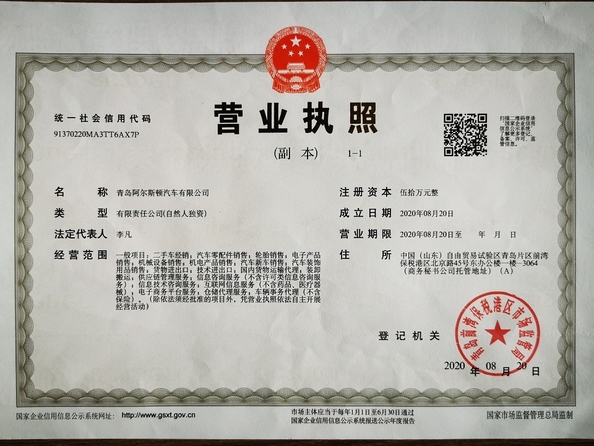
Company: Qingdao Alston Motors Co., Ltd
About Alston Motors Editorial Team:
Alston Motors Editorial Team shares practical insights on refurbished HOWO trucks, semi trailers, commercial vehicles, used cars, and export solutions for Africa and other developing markets. The content is based on the company’s experience in vehicle inspection, refurbishment, export coordination, spare parts support, and customer service for overseas buyers.

 Your message must be between 20-3,000 characters!
 English