What Should Buyers Inspect Before Buying a Used HOWO Concrete Mixer Truck from China?
Before purchasing a used HOWO concrete mixer truck from China, buyers must verify chassis identity, measure drum wall thickness, stress-test the hydraulic system under full load, and check frame welds beneath fresh paint. Ideal for ready-mix batching plants and infrastructure contractors across Africa, Southeast Asia, and Latin America, selecting a unit with proven pre-refurbishment records and accessible local parts prevents catastrophic mid-pour downtime.
1. Verify True Operating Hours and Chassis Identity Beyond the Odometer
Odometer readings on used construction trucks frequently fail to reflect actual mechanical wear, making chassis VIN cross-checks and engine ECU hour logs mandatory. Ready-mix trucks spend hours idling at batching plants and construction sites while rotating the drum, accumulating heavy engine hours without adding road mileage. Relying solely on dashboard numbers exposes buyers to worn-out engines disguised as low-mileage units.
Always match the 17-digit VIN stamped on the right-hand chassis rail against the cab door nameplate and the engine block serial number. For Sinotruk WD615 or D10 engines, connect a diagnostic scanner to read total ECU operating hours—anything exceeding 12,000 hours typically signals an upcoming major overhaul. Reject units with ground-off rivets, mismatched build years, or altered title certificates.
2. Measure Mixing Drum Wall Thickness, Blade Wear, and Concrete Buildup
Ultrasonic drum wall measurements and internal spiral blade inspections determine whether a mixer can safely haul full batches without immediate steel fabrication. In continuous commercial ready-mix operations, abrasive aggregates grind down the drum shell and mixing fins from the inside out. Hardened concrete buildup also reduces effective payload capacity and throws the rotating drum off balance.
Use an ultrasonic thickness gauge on the rear cone and middle belly when evaluating 8m³ to 12m³ used HOWO concrete mixer trucks, as wear concentrates most heavily in these zones. Original Q345B or 16Mn wear-resistant steel plates measure 5mm to 6mm; replace or reject any drum worn below 3.0mm. Climb inside to verify that spiral blade heights remain above 75% of original specs and check for thick, cured concrete rings clinging to the front head.
| Inspection Zone |
Factory New Benchmark |
Acceptable Used Threshold |
Rejection / Rebuild Trigger |
| Drum Belly Wall Thickness |
5.0 mm – 6.0 mm |
≥ 3.5 mm |
< 3.0 mm (Risk of structural rupture) |
| Spiral Mixing Blade Height |
400 mm – 450 mm |
≥ 320 mm |
< 280 mm or curled/cracked blade edges |
| Hardened Concrete Buildup |
0 mm (Clean) |
< 15 mm localized residue |
> 30 mm thick ring (Reduces yield & balance) |
| Drum Roller Track Ring |
Flat, uniform surface |
< 2 mm shallow grooving |
Deep pitting, flat spots, or cracked welds |
3. Stress-Test the Hydraulic System and Reducer Under Full Load (and Check Brands)
A used mixer’s hydraulic pump, motor, and planetary reducer must hold steady drum rotation at operating temperature without pressure drop or overheating. If the hydraulic circuit fails mid-transit in hot climates, concrete sets inside the drum within 90 minutes, resulting in a total loss of both the load and the vessel. Cold, unloaded yard demos easily hide worn internal pump pistons.
Run the drum at 12 to 14 RPM for at least 30 minutes until hydraulic oil reaches 55°C–65°C, then confirm smooth forward-to-reverse switching without jerking. Prioritize trucks equipped with globally supported components such as ZF, PMP, Bonfiglioli, or Rexroth pumps and reducers rather than unbranded domestic replacements. Check the hydraulic oil sight glass for milky water contamination or metallic flakes, and ensure the cooling fan activates automatically.
4. Spot Hidden Frame Cracks and Non-Factory Welds Beneath Fresh Paint
Fresh exterior paint often conceals severe structural fatigue, rust, and rough repair welds on the main chassis rails and rear subframe. Overloaded concrete hauling across unpaved rural job sites subjects the 6x4 or 8x4 chassis to extreme torsional stress. Cosmetic resprays applied right before export make a cracked frame look showroom-ready in photos.
Inspect the inner webs of the double-layer frame (typically 8+8 mm or 8+5 mm channel steel) around the rear trunnion suspension, gearbox crossmembers, and front drum pedestal. Look for uneven weld beads, scab plates, or fresh primer flaking off rusted seams. According to structural guidelines from the American Concrete Pumping Association (ACPA), any transverse weld across a high-stress main frame flange indicates improper repair and high fracture risk. Fleet operators sourcing multiple engineering vehicles should pair this chassis check with our used HOWO dump truck inspection guide for construction buyers before approving shipment.
5. Evaluate Cold-Start Engine Health, Blow-By, and Cooling Capacity
Evaluating an unedited cold-start video and measuring crankcase blow-by reveals true cylinder compression and turbocharger condition before shipment. Diesel engines powering heavy mixer trucks endure constant low-speed torque demands and dusty batching environments. Warmed-up engines mask hard-starting issues caused by worn piston rings or weak fuel injection pumps.
Request a continuous video showing the mechanic touching a cold exhaust manifold before cranking the engine. The motor must fire within 3 seconds without ether starting fluid, settling into a steady idle with minimal white or blue smoke. Remove the oil filler cap at operating temperature to check for excessive crankcase blow-by pressure, and verify that the radiator core and intercooler fins are free of crushed tubes or scale buildup.
6. Diagnose Gearbox Shifting, Clutch Slippage, and Heavy-Duty Axle Wear
Smooth gear engagement across high and low ranges and dry wheel-hub seals confirm that the drivetrain can survive steep job-site ramps under a 25-ton gross load. Concrete mixers stop and start constantly in congested traffic and soft construction terrain, accelerating clutch disc and synchronizer wear. A failing drivetrain leaves drivers stranded with a perishable load.
Test-drive the truck under load to ensure the Sinotruk HW19710 or HW15710 10-speed transmission shifts cleanly without grinding or popping out of gear. Verify that the air-assisted range splitter toggles crisply between low and high gears. Inspect the HC16 or AC16 heavy-duty hub-reduction rear axles for gear oil leaks around the pinion seals and planetary wheel hubs, and listen for differential whine during deceleration.
7. Audit Water Supply Pressure, Discharge Chutes, and Cab Controls
Functional pressurized water tanks, smooth discharge chutes, and responsive rear cab controls dictate whether the truck can work immediately upon port arrival. Drivers rely on onboard wash-down water to adjust concrete slump on-site and clean the drum immediately after every pour. Missing linkages or leaking air tanks force costly workshop delays before the vehicle earns its first dollar.
Pressurize the 400L to 600L side-mounted water tank via the chassis air brake system and verify strong water flow through both the upper charging hose and rear wash nozzle. Swing and lock the main and extension discharge chutes through their full arc, checking hydraulic lift cylinders for rod scoring. Test both the in-cab throttle/drum levers and the rear-fender emergency control box for zero cable binding.
8. Confirm Local Parts Compatibility, Emission Specs, and Pre-Refurbishment Proof
Matching engine emission standards to local workshop capabilities and securing pre-refurbishment documentation eliminates post-arrival compliance and maintenance dead-ends. Many developing markets lack diagnostic software or ultra-low-sulfur diesel for Euro V common-rail systems, turning minor sensor faults into months-long breakdowns. Transparent documentation also proves the seller performed genuine mechanical reconditioning rather than surface touch-ups.
Confirm whether your destination country requires Euro II/III mechanical fuel pumps (favored across Africa and Central Asia for easy mechanical repair) or Euro IV/V electronic engines. Demand timestamped before-refurbishment photos, itemized invoices for replaced seals, bearings, and tires, and official export certificates matching port customs rules.
| Verification Document / Item |
What Buyers Must Check |
Purpose in Export Decision |
| Pre-Refurbishment Photos |
Original cab paint, engine bay, and drum interior before yard work |
Proves no flood damage, fire history, or major collision rebuild |
| Engine & Emission Plate |
WD615.47 / WD615.69 mechanical vs. D10 electronic common-rail |
Ensures local mechanics and fuel quality match engine specs |
| Refurbishment Parts List |
Receipts for new clutch kit, hydraulic seals, batteries, and tires |
Confirms mechanical reconditioning rather than cosmetic paint |
| Chassis & Axle Spec Sheet |
6x4 vs. 8x4 drive, tire size (12.00R20 / 315/80R22.5), GVWR |
Guarantees compliance with destination highway axle-load limits |
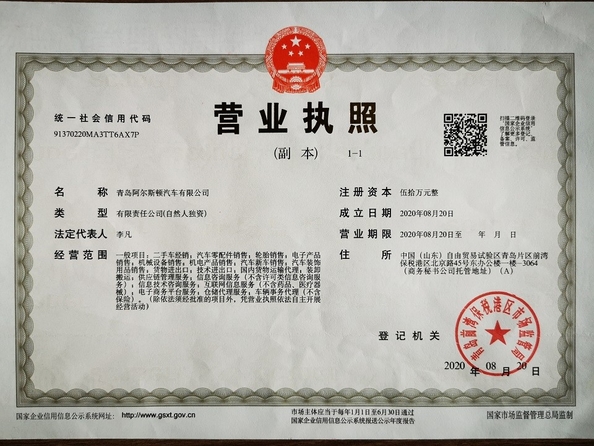
When sourcing refurbished units from China, buyers working with Qingdao Alston Motors receive documented pre-refurbishment condition photos, ultrasonic drum thickness reports, and full hydraulic load-test videos prior to balance payment. You can browse our complete refurbished HOWO heavy-duty truck inventory, review our workshop quality standards on our multi-point refurbishment facility page, or request a live video inspection from our export engineers before placing a deposit.
Watch a refurbished HOWO concrete mixer truck ready for export delivery from our yard: Refurbished Used HOWO Concrete Mixer Truck Loaded for Port Delivery | China Export.
Frequently Asked Questions (FAQ)
1. What drum capacity is best when buying a used HOWO concrete mixer truck? An 8m³ or 10m³ drum on a 6x4 chassis offers the best balance of payload, maneuverability, and axle-load compliance for urban and rural job sites. Choose a 12m³ or 14m³ drum on an 8x4 chassis only if local road laws permit higher gross vehicle weights and batching plants operate on wide, paved routes.
2. Should I choose a Euro II/III mechanical engine or a Euro V electronic engine? Choose a Euro II or Euro III mechanical pump engine (such as the Sinotruk WD615.47 or WD615.69) if your region relies on high-sulfur diesel and traditional mechanical workshops. Select Euro IV or Euro V electronic common-rail models only when required by national import regulations and supported by local diagnostic scanners.
3. Which hydraulic pump and reducer brands hold the best resale value on used HOWO mixers? Used HOWO mixers fitted with ZF, PMP, Bonfiglioli, or Rexroth hydraulic pumps, motors, and planetary reducers command higher reliability and easier spare-parts sourcing worldwide compared to generic domestic hydraulic assemblies.
4. How can I verify drum condition if I cannot inspect the truck in China personally? Require a live video call where the inspector uses an ultrasonic thickness gauge on the drum belly and rear cone, followed by a clear flashlight video inside the drum showing spiral blade edges and the absence of hardened concrete buildup.
5. What is the safest shipping method for exporting a used concrete mixer truck from China?Ro-Ro (Roll-on/Roll-off) vessel shipping is the safest and most cost-effective option because the mixer truck is driven directly onto an enclosed cargo deck, protecting the cab electronics, hydraulic hoses, and drum rollers from saltwater corrosion during transit.
Written by: Bruce Li, Export Consultant
Reviewed by: Alston Motors Export & Technical Team
Company: Qingdao Alston Motors Co., Ltd

 Your message must be between 20-3,000 characters!
 English