Used HOWO Fuel Tank Truck for Fuel Distribution: Complete Buyer's Guide
A used HOWO fuel tank truck is a practical choice for buyers who need 10,000L–30,000L fuel delivery capacity, safer compartment design, and lower fleet cost for diesel, petrol, kerosene, mining, construction, and rural fuel distribution.
1. What Is a Used HOWO Fuel Tank Truck?
A used HOWO fuel tank truck is a pre-owned heavy-duty truck fitted with a tank body for transporting diesel, petrol, kerosene, and light petroleum products. Common export models include 4x2, 6x4, and 8x4 fuel tank trucks with 10,000L–30,000L capacity.
For buyers comparing used HOWO fuel tank truck for fuel distribution, the main value is route flexibility. One truck can deliver fuel to stations, farms, construction sites, mines, workshops, ports, and remote users without needing a separate tractor-trailer combination.
A fuel tank truck should be judged by tank safety and mechanical condition, not fresh paint. Buyers should inspect at least 8 areas before shipment: tank body, compartments, manholes, valves, pump system, chassis, tires, brakes, grounding, and welding quality.
2. Main Applications of Fuel Tank Trucks
Used HOWO fuel tank trucks are mainly used for diesel delivery, petrol distribution, fuel station supply, mine refueling, construction equipment refueling, farm fuel delivery, generator fuel supply, and industrial fuel transport. In Africa, they often serve 50–500 km regional distribution routes.
Fuel distribution remains important for African industry, freight, and agriculture. The International Energy Agency reported that Africa’s energy demand in industry, freight, and agriculture grows by almost 40% by 2030 in its Sustainable Africa Scenario, supporting demand for energy delivery infrastructure. (IEA)
In Nigeria, Ghana, Kenya, Tanzania, Angola, Zambia, and the Democratic Republic of Congo, fuel tank trucks often support mines, farms, contractors, ports, and rural fuel stations. A remote project can lose 1 working day if diesel supply is delayed.
3. Tank Capacity and Compartment Design
Common used HOWO fuel tank truck capacities include 10,000L, 15,000L, 20,000L, 25,000L, and 30,000L. A 4x2 truck suits smaller urban distribution, while 6x4 and 8x4 models are better for heavier regional delivery and rougher roads.
Compartment design allows one truck to serve different delivery points or separate fuel products in 1 route. A 20,000L tank may use 2–4 compartments, while larger 25,000L–30,000L units may use more compartments depending on buyer requirements and destination rules.
Capacity should match route conditions, not only sales volume. A 30,000L truck may reduce delivery frequency, but it also increases braking demand, tire stress, and road restriction risk. Buyers should check local axle limits before choosing maximum tank size.
4. Pump, Valve, and Pipeline Inspection
The pump system controls loading and unloading efficiency. Buyers should check pump brand, PTO connection, flow meter, hose reel, filter, control lever, and abnormal noise. A 10-minute pump test is more useful than exterior photos alone.
Valves and pipelines must be checked carefully because leakage creates cargo loss and safety risk. Buyers should inspect bottom valves, discharge valves, emergency shut-off valves, manhole covers, seals, vapor ports, pipeline welding, and hose condition before export.
Qingdao Alston Motors recommends requesting 5 inspection records before payment: tank compartment layout, pump test video, valve test video, pipeline close-ups, and loading photos. These records help buyers judge real working condition before paying for a used fuel tank truck.
5. Safety Checks Before Buying
Fuel tank truck safety should include grounding, anti-static protection, emergency valves, manhole sealing, fire extinguisher position, reflective markings, rear bumper, side guards, and leakage prevention. NFPA 385 applies to tank vehicles used for normally stable flammable and combustible liquids with flash points below 200°F, or 93°C. (standards.globalspec.com)
Safety inspection should be practical, not only document-based. Buyers should ask for at least 3 close-up videos: manhole sealing, valve opening and closing, and pump operation. One leaking seal can create repeated cargo loss after arrival.
Static electricity control matters during fuel loading and unloading. Buyers should check grounding cables, bonding points, valve sealing, manhole tightness, hose condition, and anti-static parts before shipment. A truck used 6 days per week needs safety checks more than cosmetic repainting.
6. Chassis, Tire, Brake, and Suspension Inspection
The chassis should be inspected for bending, rust, welding marks, deformation, and cracks. For loaded fuel transport, visible frame cracks longer than 5 cm near tank supports, suspension brackets, or rear axle seats should be treated as serious risk.
Tires affect both safety and landed cost. A 6x4 fuel tank truck usually uses 10 tires, while an 8x4 model may use 12 tires. Buyers should check tread depth, sidewall cracks, tire age, uneven wear, and spare tire condition before shipment.
Brake and suspension condition should be tested before export. Air pressure should normally build within 3–5 minutes, and the gauge should remain stable after repeated braking. Fuel cargo increases safety risk, so weak brakes should not be accepted.
7. Used HOWO Fuel Tank Truck Price Factors
Used HOWO fuel tank truck price depends on model year, tank capacity, chassis configuration, engine power, tank material, compartment quantity, pump system, valve condition, tire quality, brake condition, refurbishment level, and export preparation.
Buyers should compare at least 3 quotations with the same configuration. A 15,000L 4x2 truck, 20,000L 6x4 truck, and 30,000L 8x4 truck should not be judged by headline price because capacity, tire count, chassis cost, and safety fittings differ.
The cheapest truck may increase total cost after arrival. If buyers replace 10 tires, repair leaking valves, add a pump system, change seals, and repaint tank sections within 60 days, the final cost may exceed a better-inspected unit.
Buyers comparing used HOWO trucks from China should request 6 records before payment: chassis number, engine plate, tank test video, pump test video, tire close-ups, and loading photos. These records connect quoted price with actual truck condition.
8. Export Preparation and Shipping from China
Used HOWO fuel tank trucks are usually shipped by Ro-Ro vessel or bulk vessel, depending on destination port, truck condition, and order quantity. For 1–5 drivable units, Ro-Ro shipping is often convenient; larger mixed orders may use bulk shipment.
Shipping reliability matters for fuel distribution buyers. The World Bank’s Logistics Performance Index 2023 covered 139 countries and reported that 44 days pass on average from container entry at the exporting port to exit at the destination port. (世界银行)
Before shipment, preparation should include cleaning, anti-rust treatment, battery protection, tire pressure check, pump protection, valve sealing, fuel control, loose-part fixing, and loading photo confirmation. These steps reduce avoidable damage during 20–45 days of sea transport.
Qingdao Alston Motors advises buyers to confirm import rules before shipment, including left-hand drive or right-hand drive requirements, truck age limits, emission standards, hazardous cargo rules, inspection certificates, and customs documents. One missing document may delay clearance by 7–14 days.
Fuel tank truck buyers may also compare fuel tank trailers for larger depot-to-station routes. Buyers can prepare truck trailer spares and review company background through Qingdao Alston Motors before confirming export cooperation.
9. FAQs About Used HOWO Fuel Tank Trucks
Q1: What is a used HOWO fuel tank truck used for?
It delivers diesel, petrol, kerosene, and industrial fuel to stations and projects.
Q2: What capacity is common for Africa?
10,000L–30,000L is common, depending on route, road limits, and delivery volume.
Q3: 4x2 or 6x4 fuel tank truck?
Choose 4x2 for city delivery and 6x4 for heavier regional routes.
Q4: How many compartments are needed?
Many buyers choose 2–4 compartments for different fuels or delivery points.
Q5: What should buyers inspect first?
Check tank body, pump, valves, pipelines, tires, brakes, grounding, and chassis.
Q6: Does a fuel tank truck need a pump?
Not always. Gravity discharge works for some routes; metered delivery needs a pump.
Q7: How are fuel tank trucks shipped from China?
Most units are shipped by Ro-Ro vessel or bulk vessel.
Q8: Which spare parts should ship together?
Valves, seals, hoses, filters, lamps, brake parts, and air pipes are useful.
Written by: Alston Motors Editorial Team
Reviewed by: Export & Technical Team
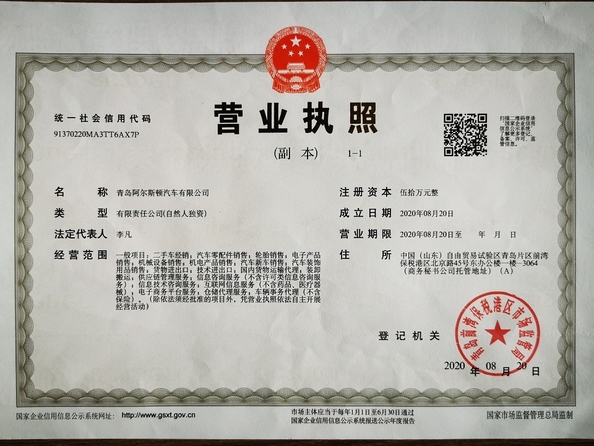
Company: Qingdao Alston Motors Co., Ltd
About Alston Motors Editorial Team:
Alston Motors Editorial Team shares practical insights on refurbished HOWO trucks, semi trailers, commercial vehicles, used cars, and export solutions for Africa and other developing markets. The content is based on the company’s experience in vehicle inspection, refurbishment, export coordination, spare parts support, and customer service for overseas buyers.

 Your message must be between 20-3,000 characters!
 English