How to Choose a Used HOWO Fuel Tank Truck for Mining, Construction, and Infrastructure Fuel Delivery?
Choose a used HOWO fuel tank truck by matching daily fuel demand, delivery distance, road condition, tank capacity, compartment layout, dispensing speed, and verified safety condition. Mining and infrastructure projects usually favor a 6x4 tanker, while smaller paved-road operations may gain more from a lighter 4x2 truck with lower operating costs.
1. When Does a Mobile Fuel Tank Truck Make Sense for a Mining or Construction Project?
A mobile fuel tank truck makes sense when on-site delivery costs less than outsourced supply or repeated trips to a filling station. Record daily diesel use, machine count, refueling windows, depot distance, and equipment downtime.
Ownership may not suit a compact site using only a few hundred liters per day near a dependable supplier. It becomes practical when several work zones need scheduled delivery or a 10- or 12-hour shift would otherwise lose productive time. Compare ownership with fixed storage, third-party delivery, licensing, insurance, and spill-control costs.
2. What Tank Capacity Matches the Project’s Daily Fuel Demand?
The right tank capacity should cover a workable delivery cycle without forcing the truck to run overweight or enter roads it cannot safely use. Common project configurations range from about 5,000L to 25,000L.
| Project Demand |
Practical Starting Point |
| Small paved-road service route |
5,000L–10,000L 4x2 |
| Medium construction project |
12,000L–20,000L 6x4 |
| Large mine with several work zones |
20,000L–25,000L 6x4 |
| High-volume distribution on firm roads |
25,000L or larger, subject to axle limits |
Calculate capacity from actual consumption rather than nominal body size. A site using 8,000L per day may prefer a 12,000L or 15,000L truck so one route includes reserve without excessive empty weight. Compare mobile fuel tank trucks for site delivery before selecting the chassis and tank equipment.
3. How Many Compartments Are Needed for Diesel, Gasoline, and Other Fuels?
Use the fewest compartments that can safely support the delivery plan. A diesel-only mine may need one or two compartments, while a contractor serving separate projects or carrying different products may require three or four clearly identified sections.
Confirm the usable capacity of every compartment, not only total tank volume. Each section needs suitable baffles, sealed separation, a compatible bottom valve, and a traceable outlet. Poor sealing or unclear labeling creates a serious misfueling risk where common-rail engines operate beside older machinery and petrol-powered support equipment.
Extra compartments add valves, seals, pipelines, labels, and maintenance points. Specify them only for a clear operating need, such as separating fuel grades or customer deliveries.
4. What Tank Construction and Structural Safety Features Should Buyers Specify?
Tank material, plate thickness, baffles, and mounting quality should match the fuel, road condition, and local approval rules. Carbon steel is common for diesel service, but verify the specification through drawings, identification, thickness checks, and repaired areas.
A 20,000L carbon-steel tank may use about 5 mm shell plate, 6 mm end plates, and 4 mm baffles, but these are not universal rules. Inspect the lower shell, saddle areas, manhole necks, welds, and tank mounting for corrosion, distortion, cracks, and poor repairs.
Structural features may include baffles, sealed manholes, pressure-and-vacuum protection, emergency bottom valves, side guards, rear protection, and grounding points. Fresh paint cannot replace an internal inspection or controlled leak test.
5. Which Fuel-Dispensing System Matches the Required Flow Rate?
The dispensing system should complete each stop quickly while preserving measurement accuracy and operator control. Specify gravity discharge, a PTO-driven pump, a hose reel, bulk transfer, or a combination.
Common mobile dispensing pumps may deliver approximately 50–100L per minute. Purpose-built high-flow mining systems can reach several hundred liters per minute, but only when the receiving tank, venting, hose diameter, nozzle, meter, and safety controls are designed for that rate. Small generators and compact machinery usually need slower, controlled delivery.
Confirm the pump, PTO, filter, meter, hose diameter, 15- to 20-meter hose reach where needed, reel, valves, and spare-parts availability. A timed discharge test should check flow, meter consistency, vibration, noise, leakage, and hose condition.
6. Which HOWO Chassis Performs Best on Mine Roads and Construction Access Routes?
A 6x4 HOWO chassis is usually the balanced choice for projects combining pavement, gravel, gradients, and unfinished access. Two rear drive axles add traction when loaded, although tire condition, axle loading, and differential locks remain important.
A 4x2 can suit 5,000L–10,000L paved-road delivery. Reserve 8x4 units for high-volume service on firm roads with enough turning room and legal axle capacity. Review HOWO chassis options for rough-site fuel delivery before finalizing tank size.
Horsepower should follow loaded weight and gradient. A sound 336HP truck with suitable gearing may outperform a worn 371HP unit. Check cooling, axle ratio, ground clearance, steering, approach angle, and recovery access.
7. What Loading, Unloading, and Emergency Safety Systems Are Required?
Safe fuel delivery depends on verified hardware and a repeatable operating procedure. Before every transfer, the operator should confirm the fuel product, selected compartment, receiving tank, available receiving capacity, and correct meter setting.
Local rules may require grounding equipment, emergency shut-off controls, approved electrics, wheel chocks, spill materials, extinguishers, reflective markings, product labels, and trained operators. The official UNECE ADR framework is a useful reference, but destination-country approval remains decisive.
Reject improvised wiring, inaccessible shut-offs, missing labels, sticking valves, unsuitable hose repairs, or exposed electrical connections. Secure the truck with the parking brake applied during transfer.
8. What Should Buyers Inspect Before Purchasing a Used HOWO Fuel Tank Truck?
A used tanker should pass chassis, tank, dispensing, and documentation checks before final payment. Exterior refurbishment cannot confirm corrosion, compartment sealing, pump output, brakes, or valve operation.
| Inspection Area |
Required Check |
Main Risk |
| Engine and gearbox |
Cold start, smoke, oil pressure, full shifting |
Major repair after arrival |
| Chassis and axles |
Cracks, leaks, alignment, differential noise |
Loaded-route failure |
| Tank body |
Thickness, corrosion, welds, internal condition |
Leakage or contamination |
| Compartments |
Baffles, sealing, identification |
Product mixing |
| Dispensing system |
PTO, pump, meter, filters, hoses, valves |
Slow or inaccurate delivery |
| Safety equipment |
Shut-off, grounding, labels, extinguishers |
Operating or approval risk |
| Documents |
Chassis number, tank details, export papers |
Registration delay |
Testing should include driving, braking, pump engagement, valve switching, pipeline circulation, hose-reel operation, and leak observation. Use a tank, valve, and pump inspection checklist rather than a general walk-around.
Based on Qingdao Alston Motors’ inspection experience, a suitable tanker must combine route-compatible capacity with verified tank sealing, functional dispensing equipment, and reliable chassis condition. Tank volume alone does not prove mine-site readiness.
9. Which Fuel Tank Truck Specification Offers the Best Total Operating Value?
The best-value truck completes the delivery cycle safely at the lowest practical cost, not merely the lowest purchase price. Compare payload, fuel use, driver time, tires, filters, pump repairs, meter calibration, licensing, insurance, product loss, and equipment downtime.
A low quotation may exclude valves, pump testing, seals, tires, spare hoses, port delivery, or inspection documents. Request an itemized refurbishment scope. Accurate meters and compartment records also support project fuel control.
Before selection, provide fuel type, daily demand, machine count, delivery radius, road surface, gradient, preferred capacity, compartments, hose reach, flow rate, steering side, destination country, and port. Review Qingdao Alston Motors’ inspection process or request a mine-site fuel truck configuration before confirmation.
Frequently Asked Questions
Is a 20,000L Fuel Tank Truck Suitable for a Construction Project?
Yes, when demand, legal payload, access, and delivery frequency support it.
Should Diesel and Gasoline Use Separate Compartments?
Yes. Different products require clearly identified, sealed compartments and compatible valves and pipelines.
Is a 4x2 or 6x4 Fuel Tank Truck Better?
A 4x2 suits paved routes; a 6x4 better handles heavier loads and rough access.
What Pump Flow Rate Is Suitable for Equipment Refueling?
About 50–100L/min suits many mobile systems; large mines may require higher flow.
What Is the Biggest Used Tanker Risk?
Hidden corrosion, leaking compartment seals, faulty valves, and an untested pump system are major risks.
Can One Truck Serve Several Work Zones?
Yes, provided capacity, compartment planning, hose reach, route time, and legal operating limits support the schedule.
What Inspection Evidence Should a Buyer Request?
Request cold-start video, road testing, tank images, leak checks, pump testing, and identification documents.
Written by: Alston Motors Editorial Team
Reviewed by: Export & Technical Team
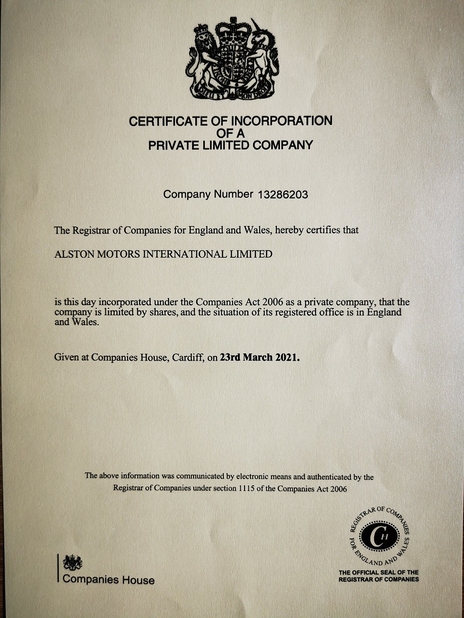
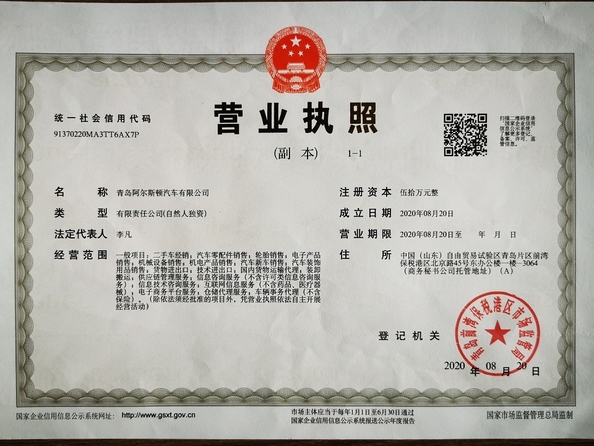
Company: Qingdao Alston Motors Co., Ltd
About Alston Motors Editorial Team:
Alston Motors Editorial Team shares practical insights on refurbished HOWO trucks, semi trailers, commercial vehicles, used cars, and export solutions for Africa and other developing markets. The content is based on the company’s experience in vehicle inspection, refurbishment, export coordination, spare parts support, and customer service for overseas buyers.

 Your message must be between 20-3,000 characters!
 English