How to Inspect a Used HOWO Prime Mover for Bulk Cement Transport
A used HOWO prime mover for bulk cement transport should be checked for engine wear, chassis fatigue, gearbox condition, axle ratio, PTO performance, air compressor pressure, braking safety, and export readiness before shipment. For East African infrastructure projects, mechanical reliability matters more than the lowest purchase price.
1. Match the Used HOWO Prime Mover to East African Bulk Cement Routes
A used HOWO prime mover must match the road condition, trailer weight, and unloading method of the target project before purchase.
Bulk cement transport in East Africa often involves port-to-inland delivery from Mombasa, Dar es Salaam, or other regional logistics hubs to construction sites, batching plants, and infrastructure projects. The truck may need to pull a 30–40 ton bulk cement semi trailer across highways, bypass roads, unpaved access roads, and hilly corridors.
For this work, buyers should avoid a light highway-only tractor unit. A more suitable configuration normally includes a 6x4 drive type, reinforced frame, high ground clearance, multi-leaf suspension, reliable engine braking, and a tested pneumatic discharge system. If the truck will also work near quarry roads or remote cement depots, ground clearance, chassis strength, and tire condition become even more important.
Buyers comparing different tractor configurations can review used HOWO prime mover for sale options before confirming horsepower, axle ratio, fifth wheel height, and trailer matching.
2. Inspect the WD615 or D12 Engine Before Shipment
The engine check should focus on cold start, blow-by, smoke, oil leakage, cooling stability, and fuel injection response under load.
Many used HOWO prime movers are fitted with Sinotruk WD615 or D12 engines. These engines are common in African markets and are easier to maintain than newer high-emission electronic platforms, but the condition still varies widely from unit to unit. A truck that looks clean after repainting may still have worn piston rings, weak injectors, or turbocharger oil leakage.
During inspection, start the engine from cold and check whether it starts smoothly without long cranking. Watch exhaust smoke color after idle and acceleration. Blue smoke may indicate oil burning, while heavy black smoke can suggest poor injector atomization, blocked air intake, or turbocharger problems. The crankcase breather should not release heavy pressure or visible oil mist.
For bulk cement work, the engine must hold stable temperature while pulling a loaded trailer. Buyers should check radiator condition, fan clutch operation, coolant leakage, oil pressure, and engine sound at different RPM levels. If the truck will operate in dusty or high-temperature environments, the air filter box, intake hose, and cooling system should be checked carefully.
3. Check the Double-Layer Chassis and Suspension for Fatigue
The chassis must be inspected for cracks, welding repairs, bent rails, loose rivets, and suspension fatigue before export.
Bulk cement trailers create concentrated stress on the tractor chassis because the loaded tank has a high center of gravity and strong forward-pulling resistance. Corrugated roads, construction access roads, and overloaded local operations can quickly expose weakness in a repaired or tired frame.
A heavy-duty HOWO prime mover for bulk powder transport should usually have an 8+8 mm or 8+5 mm double-layer frame. Inspect the main rails around the rear suspension brackets, fifth wheel mounting area, crossmembers, and fishplate sections. Fresh paint around these areas should not be accepted as proof of good condition. It may hide welding marks, previous cracks, or impact damage.
Suspension checks should include front leaf spring condition, rear bogie suspension, equalizer beam, U-bolts, rubber bushings, and ride height. A sagged rear suspension or shifted center bolt can affect fifth wheel level and trailer stability.
| Inspection Area |
Acceptable Condition |
Red Flags |
| Main chassis rail |
Straight double-layer frame |
Fresh welding, cracks, bent rail |
| Rear suspension |
Strong bogie suspension |
Cracked spring, loose U-bolt, sagged height |
| Fifth wheel area |
Firm mounting plate |
Elongated bolt holes, repair plates |
| Crossmembers |
Stable and aligned |
Missing bolts, corrosion, distortion |
4. Verify HW19710 Gearbox and HC16 Axle Condition
The gearbox and axles must hold torque smoothly because bulk cement transport places heavy load on climbing, braking, and low-speed pulling.
The Sinotruk HW19710 10-speed manual gearbox is common on used HOWO tractor trucks. During road testing, the gearbox should shift through all gears without grinding, jumping out of gear, or abnormal noise. Pay special attention to low gears and reverse gear because these are often heavily used in yard movement, site access, and trailer positioning.
For mountainous or hilly routes, the axle ratio matters. A 5.73 ratio provides stronger low-speed pulling power, while a 4.80 ratio may be more suitable for mixed highway transport. Buyers should confirm whether the rear axles are HC16 heavy-duty wheel-reduction axles or lighter alternatives. Differential oil should be checked for metallic particles, burnt smell, or water contamination.
A good inspection also includes inter-axle and inter-wheel differential lock testing. Cement transport trucks may need these functions when moving through muddy bypass roads or construction access areas after rain.
Bulk cement operators comparing container, fuel tanker, and powder tanker applications can also check used HOWO tractor trucks for export before choosing the final 6x4 specification.
5. Test the PTO and Air Compressor for Cement Discharge
The PTO and air compressor must be tested together because the truck is not useful for bulk cement work if it cannot support stable pneumatic unloading.
Unlike a standard tractor head, a prime mover for bulk cement transport may need to drive an air compressor through the power take-off system. This system must deliver stable air pressure for unloading powder material from the tanker. A weak PTO, slipping drive belt, oil-carrying compressor, or leaking air line can delay discharge and cause cement to settle inside the tank.
During inspection, engage the PTO and listen for grinding noise, vibration, or delayed response. Check the compressor mounting, belt tension, pressure gauge, relief valve, hose connections, and oil leakage. The system should normally maintain around 0.2–0.3 MPa working pressure during unloading, depending on the tank design and site requirements.
A practical test should also confirm whether engine RPM, PTO speed, and compressor output are matched correctly. If pressure drops quickly during testing, the compressor head, valve, pipeline, or tank-side fittings may need repair before shipment.
6. Inspect EVB, Air Brakes, and Brake Drum Condition
Brake safety is a non-negotiable inspection point for any used HOWO prime mover pulling a loaded bulk cement trailer.
East African cement routes may include long downhill sections, hot weather, and stop-start site movement. A fully loaded bulk cement trailer can generate high braking heat, so the truck should not rely only on service brakes. The EVB exhaust braking system must activate correctly and help reduce brake overheating on slopes.
Inspect the dual-circuit air brake system, air dryer, brake chambers, hoses, valves, and pressure build-up time. The brake drum should not be deeply scored, overheated, or below safe service thickness. Slack adjusters should move within a normal range, and the handbrake must hold the tractor firmly during parking.
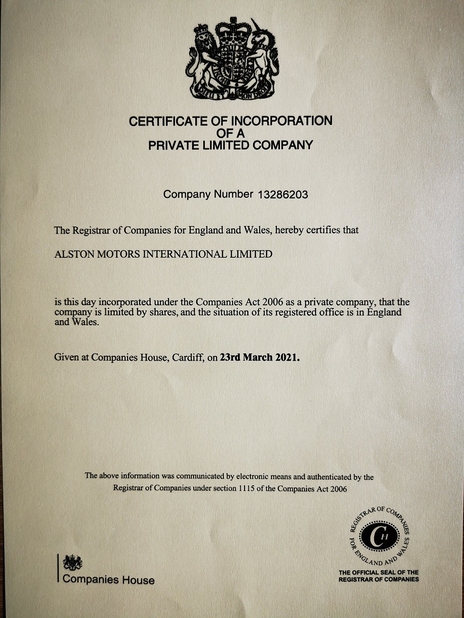
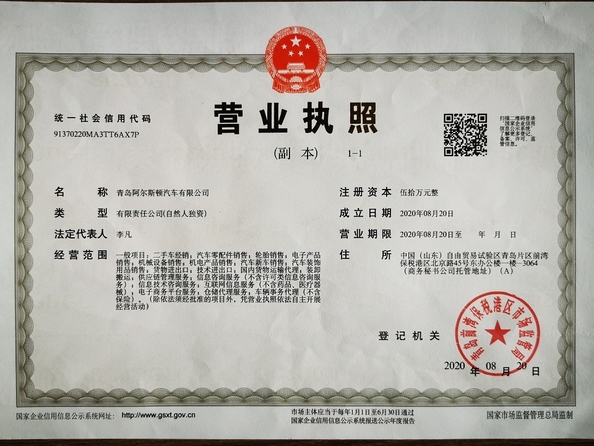
At this stage, supplier transparency matters. Qingdao Alston Motors supports overseas buyers with inspected and refurbished HOWO trucks, including pneumatic system testing, brake response checks, vehicle photos, video confirmation, export documentation, and shipping coordination before delivery.
For more background on testing and export preparation, buyers can review Qingdao Alston Motors inspection and export support.
7. Check Wiring, VDO Dashboard, and Electrical Stability
Electrical problems should be found before shipment because rain, humidity, and rough roads can turn small wiring faults into major downtime.
Used HOWO prime movers often have wiring modifications from previous owners. Some may have added lights, repaired dashboard circuits, bypassed fuses, or temporary battery connections. These field repairs can cause starting failure, voltage drop, dashboard warning errors, or short circuits during rainy-season operation.
During inspection, switch on headlights, brake lights, turn signals, wipers, horn, cabin lights, dashboard display, and air conditioning at the same time. The VDO dashboard should remain stable without flickering, abnormal warnings, or sudden voltage drops. Battery terminals, ground wires, fuse boxes, and wiring harnesses near the chassis should be checked for corrosion and loose connections.
For export preparation, exposed wiring should be fixed and protected before port delivery. Battery condition, cable terminals, and lighting functions should also be confirmed before loading because port movement and unloading after arrival require reliable basic electrical functions.
8. Confirm Mileage, Wear Signs, and Spare Parts Availability
Mileage should not be judged only by the dashboard reading; it must be cross-checked against physical wear and maintenance condition.
Odometer rollback is a common risk in the used commercial vehicle market. Buyers should compare dashboard mileage with pedal wear, steering wheel condition, seat condition, brake cam wear, tire age, clutch feel, gearbox response, and chassis fatigue. A truck with low displayed mileage but heavy pedal wear and loose steering should be treated carefully.
For East African operation, spare parts availability is also part of the purchase decision. WD615 and D12 engines, HW19710 gearboxes, HC16 axles, clutch parts, brake parts, filters, air valves, and suspension parts are easier to manage when the fleet uses common Sinotruk configurations. Mixed models may reduce purchase cost at first, but they can increase parts inventory and downtime later.
A buyer planning several units should try to keep the same engine type, axle model, tire size, and gearbox configuration across the fleet. This makes spare parts planning, driver training, and maintenance easier.
9. Final Export Checklist Before Ordering
A used HOWO prime mover for bulk cement transport should only be ordered after mechanical testing, document confirmation, and shipping preparation are completed.
Before payment balance, buyers should request chassis number, engine number, cold-start video, road test video, PTO test video, compressor test video, tire photos, brake inspection photos, fifth wheel photos, and full exterior walkaround photos. If the truck will pull a specific cement tanker, the fifth wheel height, kingpin size, brake connector, electrical plug, and air line connection should be confirmed before shipment.
| Export Check |
What to Confirm |
| Vehicle identity |
Chassis number, engine number, invoice details |
| Mechanical test |
Engine, gearbox, axle, brake, PTO, compressor |
| Trailer matching |
Fifth wheel height, kingpin, air line, electrical plug |
| Refurbishment |
Tires, paint, cabin, lights, leaks, missing parts |
| Shipping |
Bulk vessel, Ro-Ro, or flat rack loading plan |
| Destination |
Port, steering side, import rule, consignee details |
Buyers preparing a cement tanker fleet can request a used HOWO prime mover inspection quote with destination country, port, trailer type, horsepower preference, steering side, budget range, and preferred shipping method.
FAQ
What horsepower is suitable for a used HOWO prime mover pulling a bulk cement trailer?
For many bulk cement applications, 371HP, 375HP, 380HP, or 420HP can be considered, depending on trailer weight, road gradient, axle ratio, and operating area. For hilly corridors or heavy inland transport, axle ratio and engine condition are often more important than horsepower alone.
Is a double-layer chassis necessary for bulk cement transport?
A double-layer chassis is strongly recommended for heavy bulk cement transport, especially on rough roads or construction access routes. It provides better resistance to torsional stress than a light highway frame.
What pressure should the air compressor maintain for cement unloading?
Many bulk cement discharge systems work around 0.2–0.3 MPa, but the exact requirement depends on tanker design, pipeline length, cement condition, and site unloading method. The PTO and compressor should be tested together before shipment.
How can buyers detect odometer rollback on a used HOWO prime mover?
Check pedal wear, steering play, seat condition, brake cam wear, chassis fatigue, gearbox response, and maintenance records against the dashboard reading. Physical wear often tells more than the odometer.
What should buyers confirm before shipping the truck from China?
Buyers should confirm vehicle identity, engine condition, gearbox and axle performance, brake safety, PTO and compressor testing, fifth wheel matching, export documents, loading photos, and shipping method before final delivery to port.
Written by: Alston Motors Editorial Team
Reviewed by: Export & Technical Team
Company: Qingdao Alston Motors Co., Ltd
About Alston Motors Editorial Team:
Alston Motors Editorial Team shares practical insights on refurbished HOWO trucks, semi trailers, commercial vehicles, used cars, and export solutions for Africa and other developing markets. The content is based on the company’s experience in vehicle inspection, refurbishment, export coordination, spare parts support, and customer service for overseas buyers.

 Your message must be between 20-3,000 characters!
 English