How Should Buyers Check the Hydraulic Tipping System on a Used HOWO Tipper Truck?
Buyers should check the hydraulic tipping system on a used HOWO tipper truck by inspecting oil contamination, cold-testing hoses and subframe mounts, verifying PTO engagement, and running full lifting cycles until the hydraulic fluid reaches operating temperature. For mining, quarry, and road construction buyers, rejecting trucks with scored telescopic cylinder sleeves or hot-oil lifting lag prevents costly post-delivery failures.
1. Check Hydraulic Fluid Condition and Tank Suction Screens First
Inspecting the hydraulic oil and internal tank suction screen before starting the engine reveals internal pump wear and contamination history without disassembling any components. In dusty quarry and aggregate hauling across Africa and Southeast Asia, degraded hydraulic fluid accelerates gear pump scoring and valve spool sticking. Healthy ISO VG 46 or VG 68 hydraulic oil looks clear amber on the tank dipstick or sight glass. Dark brown fluid with a burnt odor indicates chronic overheating under heavy overload, while milky or foamy oil signals water ingress through a damaged breather cap. If metallic shimmer appears on a clean rag wiped inside the filler neck, internal gear teeth or cylinder bearings are already shedding debris. Buyers should also check that the 100-mesh tank suction strainer is unobstructed, because a clogged screen starves the pump and causes destructive cavitation.
2. Inspect High-Pressure Hoses, Fittings, and Subframe Mounts Cold
A thorough cold walkaround separates routine rubber hose maintenance from structural subframe cracks that threaten tipping stability. Refurbished units prepared for export often receive fresh exterior paint that can hide fatigued welds around the lower cylinder trunnion and rear tipping hinges. Examine the main high-pressure supply hose from the gear pump to the control valve for outer rubber cracking, steel wire exposure, or bulges near crimped fittings. Replacing a burst 1-inch high-pressure hose costs under $120 locally, whereas a cracked subframe crossmember requires major structural fabrication. Check the upper and lower cylinder mounting pins for lateral play exceeding 2 mm and inspect rear hinge bushings for elongated oval wear. When browsing used HOWO tipper truck inventory online, always request close-up photos of unpainted weld seams along the tipping sub-chassis.
3. Test PTO Engagement, Air Lines, and Pump Noise Under Load
The power take-off (PTO) and gear pump must engage cleanly at engine idle without grinding, air leaks, or high-pitched cavitation whine. On Sinotruk HOWO 6x4 and 8x4 tippers equipped with HW19710 or HW19712 transmissions, pneumatic PTO actuators rely on consistent 0.75 to 0.85 MPa chassis air pressure. Engage the cab PTO switch with the clutch fully depressed and listen beneath the transmission housing. A sharp metallic clatter indicates worn PTO spline teeth, while delayed engagement points to leaking 6 mm air lines or a failing solenoid valve. Once engaged, the hydraulic gear pump should emit a steady, low mechanical hum at 700 to 900 RPM. Loud screeching or rapid clicking signals air leaking into the suction line or worn internal pump bushings that will lose pressure under full payload.
4. Run Full Lifting Cycles to Spot Stage Pauses or Foaming
Executing three consecutive full lifting and lowering cycles exposes trapped air, flow restrictions, and uneven telescopic stage transitions. Experienced heavy equipment buyers on Reddit forums repeatedly warn that lifting pauses between cylinder stages indicate internal seal bypass or low reservoir oil volume. Raise the empty dump body smoothly from rest to its maximum 45-to-50-degree tipping angle while keeping engine speed below 1,100 RPM. Each telescopic stage should extend sequentially without sudden jerks, shuddering, or long hesitations at stage collars. During lowering, watch the hydraulic tank breather cap and sight glass closely. Oil foam pushing out of the breather vent confirms air cavitation on the suction side, which requires resealing the suction hose clamps before shipping.
5. Examine Extended Front-Lift Cylinder Sleeves for Scoring and Alignment
The front-lift telescopic cylinder is the most expensive single hydraulic component on a used HOWO tipper, and scored chrome sleeves require complete replacement. Before stepping near a raised dump body, buyers or inspectors must lock the mechanical body safety prop onto the chassis frame to prevent fatal crush hazards. Inspect every extended chrome stage under direct light for deep vertical scratches, rust pitting, or peeling chrome plating. Minor oil film on wiper seals is normal, but active dripping down the cylinder barrel means the polyurethane U-cup seals are worn out. Stand directly behind the rear tailgate and verify that the extended cylinder aligns squarely with the chassis centerline. A cylinder leaning more than 1.5 degrees off-axis indicates a twisted dump box or bent tipping hinge, which places destructive side loads on cylinder stages.
| Hydraulic Inspection Checkpoint |
Acceptable Condition (Pass) |
Negotiable Wear (Price Deduction) |
Walk-Away Red Flag (Reject Unit) |
| Hydraulic Oil & Breather |
Clear amber color, clean odor, intact breather cap |
Slightly darkened oil needing routine flush ($150–$250) |
Milky water contamination or visible metal shavings |
| Front-Lift Cylinder Sleeves |
Smooth chrome surface, dry wiper seals, straight alignment |
Minor wiper seal weeping without chrome scratches |
Deep vertical scoring, rust pitting, or bent stages |
| Pump & PTO Engagement |
Instant pneumatic lock-in, quiet hum at 800–1,000 RPM |
Minor air fitting leak on 6 mm PTO control tube |
Grinding PTO gears, loud pump whine, or spline slip |
| Hot-Oil Lifting Speed |
Full 48° lift in 20–30 seconds when hot |
3–5 second slowdown after 5 consecutive cycles |
Stalls mid-lift or requires greater than 1,400 RPM to raise empty box |
| Hold Position Drift |
Less than 10 mm drop over 10 minutes at half-lift |
15–25 mm slow creep caused by worn control valve spool |
Rapid drop exceeding 50 mm in under 3 minutes |
6. Verify Cab Air-Control Valve, Relief Pressure, and Hold Drift
Testing the cab air-control valve and mid-lift hold function confirms whether the system can safely retain a 25-to-35-ton payload without internal valve leakage. According to mobile hydraulic maintenance guidelines published by Parker Hannifin, internal valve spool wear and misadjusted main relief valves account for a major share of pressure loss in mobile tipping circuits. Raise the empty cargo box halfway, move the cab proportional control lever to the neutral hold position, and measure cylinder drift over ten minutes. A healthy relief and check valve assembly holds the body steady with less than 10 mm of vertical drop. Verify that the mechanical limit valve cable mounted between the dump body and chassis automatically cuts off pump flow before the final stage hits its mechanical stop. Reviewing detailed chassis benchmarks in our complete construction buyer inspection checklist for used HOWO dump trucks helps buyers coordinate hydraulic checks with full-vehicle audits before releasing deposit funds.
7. Re-Test Lifting Speed and Power at Operating Oil Temperature
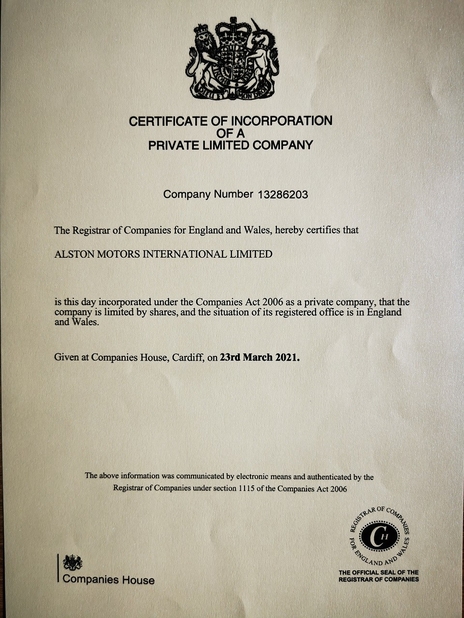
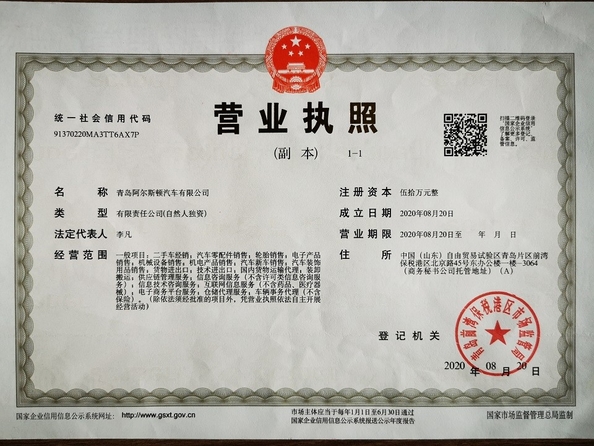
Re-testing hydraulic cycle speed after five consecutive lifts prevents sellers from hiding a worn gear pump behind thick, cold hydraulic oil. Cold oil at 20°C maintains artificially high viscosity that masks internal gear clearance wear, whereas hot oil at 55°C to 65°C exposes true volumetric efficiency loss. After running five back-to-back cycles, time how fast the dump body reaches full tipping angle at a steady 1,000 RPM. A sound HOWO tipping system completes a full lift in 20 to 30 seconds without forcing the driver to rev the engine past 1,300 RPM. In export yard inspections, Qingdao Alston Motors conducts hot-oil cycle testing and cylinder pressure checks on every refurbished tipper prior to container or RO-RO vessel loading. Buyers comparing export-ready used HOWO commercial trucks across different suppliers should insist on uncut timestamped video showing at least four consecutive lifts.
8. Separate Negotiable Hydraulic Wear from Walk-Away Red Flags
Translating inspection findings into clear financial boundaries protects buyers from overpaying for trucks that need immediate hydraulic overhauls. Standard hydraulic seals, pressure gauges, and exterior hoses represent predictable maintenance items that buyers can deduct directly from the purchase price. Use the checklist below during live video inspections or yard visits to classify defects before finalizing your proforma invoice:
- Deduct $200–$500 from offer: Aged exterior rubber hoses, minor PTO air line leaks, missing tank sight glass, or overdue ISO VG 68 oil change.
- Deduct $800–$1,500 from offer: Worn cab proportional air valve, leaking cylinder wiper seals on unscratched chrome sleeves, or worn hinge bushings.
- Walk away immediately: Scored or bent telescopic cylinder sleeves, severe hot-oil pump stall, metal filings in the hydraulic tank, or twisted subframe rails. For buyers who want verified pre-shipment hydraulic test reports, learn more about the Qingdao Alston Motors refurbishment and testing process or request a pre-shipment hydraulic inspection video matched to your project payload requirements. Watch our export yard hydraulic tipping test on a refurbished HOWO 8x4 dump truck below:https://www.youtube.com/watch?v=213_926g21o
Frequently Asked Questions
1. How many seconds should a used HOWO tipper take to lift fully when hot? A healthy HOWO hydraulic tipping system lifts an empty dump body to its full 45-to-50-degree angle in 20 to 30 seconds at 1,000 RPM after reaching 55°C–65°C operating oil temperature.
2. Why does a used HOWO dump truck pause between cylinder stages? Brief pauses between telescopic stages usually indicate low hydraulic reservoir oil levels, air trapped in the suction line, or worn internal stage seals bypassing fluid.
3. What hydraulic oil viscosity is recommended for HOWO tipper trucks? Most Sinotruk HOWO tippers use ISO VG 46 hydraulic oil in moderate climates and ISO VG 68 anti-wear hydraulic oil in hot tropical regions such as West Africa and Southeast Asia.
4. Can a seller hide a bad hydraulic pump during a short cold inspection? Yes. Cold hydraulic oil has higher viscosity that temporarily masks internal gear pump wear, which is why buyers must measure lifting speed after four or five consecutive cycles.
5. How much cylinder drift is acceptable in the mid-lift hold position? A sound control valve and cylinder assembly should hold a half-raised empty dump box with less than 10 mm of vertical drop over a 10-minute test window.
6. What chassis air pressure is needed to engage the HOWO PTO cleanly? The pneumatic PTO actuator requires 0.75 to 0.85 MPa (7.5 to 8.5 bar) of chassis air pressure to engage the transmission gear smoothly without grinding.
Written by: Bruce Li, Export Consultant
Reviewed by: Alston Motors Export & Technical Team
Company: Qingdao Alston Motors Co., Ltd

 Your message must be between 20-3,000 characters!
 English