What Refurbishment Records Should Buyers Request Before Buying a Used HOWO Truck?
Before buying a used HOWO truck, request refurbishment records that trace the same vehicle before, during, and after the work. For construction, mining, logistics, and infrastructure fleets, the strongest choice is a truck supported by identifiable photos, a written work list, parts records, workshop evidence, and final functional testing—not finished appearance alone.
1. What Records Can Prove a Used HOWO Truck Was Actually Refurbished?
A credible refurbishment record must connect the original condition, completed work, and final test results to one identifiable truck. Buyers should expect five core evidence groups: truck identity, before-refurbishment condition, a written work list, workshop-stage evidence, and final inspection results.
This matters when comparing used HOWO trucks from China because two similar 6x4 trucks may require very different levels of work. A 371HP dump truck with chassis corrosion and a worn cargo body should not carry the same refurbishment description as a mechanically sound unit needing mainly cab, tire, and cosmetic work. Records must describe the actual truck rather than a supplier's standard refurbishment package.
2. Request Before-and-After Photos of the Same Used HOWO Truck
Before-and-after photos are useful only when buyers can verify that both sets show the same vehicle. Request comparable views of the front, both sides, rear, chassis rails, engine area, cab interior, tires, and working body before major refurbishment begins and again after completion.
For a used HOWO dump truck, the photo set should also cover the cargo floor, side panels, subframe, rear hinge area, hydraulic cylinder, and visible chassis mounting points. A practical vehicle record often contains 8–12 clear condition views rather than two or three polished sales photos. The purpose is not the photo count itself; it is to document enough fixed details to compare the truck's starting and finished condition.
Buyers should pay particular attention to areas that can disappear under new paint. Surface corrosion, welded repairs, damaged brackets, deteriorated hoses, uneven tire wear, and cargo-body deformation are easier to assess before sanding, painting, or component replacement begins.
3. Ask for a Written Refurbishment Work List
A written refurbishment work list should state exactly what was inspected, serviced, repaired, rebuilt, or replaced. General phrases such as “full refurbishment” or “complete maintenance” do not tell a fleet buyer what work has actually been performed.
The list should cover the engine, transmission, axles, suspension, braking system, chassis, cab, electrical system, tires, and body equipment. For dump trucks, add the hydraulic pump, cylinder, hoses, lifting mechanism, hinges, and rear locking system. Each major item should have a clear action beside it.
For example, “engine inspected” means something different from “fuel system serviced,” “oil leakage repaired,” or “remanufactured engine installed.” This distinction affects maintenance planning, spare-parts preparation, and the amount of mechanical uncertainty the buyer accepts after delivery.
4. Check Parts Replacement, Repair, and Service Records
Parts records should distinguish replacement from repair, routine servicing, adjustment, and inspection-only work. These terms represent different levels of refurbishment and should never be treated as interchangeable.
| Record Term |
What It Should Mean to the Buyer |
| Inspected |
Condition checked; no replacement necessarily performed |
| Serviced |
Maintenance work completed, such as oil or filter change |
| Repaired |
Existing component retained after corrective work |
| Rebuilt/Remanufactured |
Component dismantled and restored through defined repair work |
| Replaced |
Another component or new part installed |
Priority items include tires, brake components, batteries, air lines, hydraulic hoses, filters, clutch components, and significant engine or gearbox repairs. On a 6x4 truck with ten road wheels, for example, a statement that “tires were changed” should show whether all ten tires were replaced or only selected worn units.
This level of detail helps a buyer estimate early operating costs instead of assuming that every inspected component has been renewed.
5. Request Workshop Photos and Videos During the Refurbishment Process
Workshop-stage photos and videos provide stronger refurbishment evidence than finished vehicle images because they show the work while it is being performed. Useful records may include cab removal, chassis grinding, rust treatment, brake servicing, wiring repairs, cargo-body replacement, painting, reassembly, and mechanical testing.
The strongest sequence normally shows at least three points: the truck before dismantling, identifiable work during refurbishment, and the same area after completion. Fixed chassis details, wheel configuration, cab structure, body features, or an identification number can help confirm continuity between stages.
Qingdao Alston Motors describes its quality-control process for refurbished HOWO trucks as beginning with structural and mechanical inspection rather than exterior appearance alone. For buyers, the broader rule is straightforward: workshop evidence should match both the written work list and the final truck being purchased.
6. Verify the Truck Identity Throughout the Refurbishment Process
The truck's identity must remain traceable from the first condition record through refurbishment, final inspection, and shipment preparation. Buyers should cross-check the chassis/VIN marking, identification plate where applicable, recorded vehicle configuration, and the numbers appearing on the relevant sales or export documentation.
ISO 3779:2009 — Road vehicles — Vehicle identification number (VIN) defines the content and structure of the vehicle identification number to provide a uniform vehicle identification system worldwide. That makes VIN verification especially relevant when buyers need to connect refurbishment evidence to one specific road vehicle.
Identity control becomes especially important when several similar HOWO trucks are being refurbished in the same facility. Cab color and fresh paint are poor identifiers. Use permanent or difficult-to-change details such as the chassis number, axle configuration, engine specification where recorded, wheelbase, cab type, and distinctive body or chassis features.
A genuine evidence chain proves two things: the work took place, and it took place on the truck the buyer will receive.
7. Ask for Final Inspection and Functional Test Records
A refurbished truck should not be considered complete until its main mechanical and working systems have passed final functional verification. For a used HOWO truck, the record should cover starting behavior, stable engine operation, abnormal noise, visible oil or coolant leakage, transmission shifting, steering, brakes, lights, tires, and forward and reverse movement.
A cold-start video should begin before the engine is started so the buyer can observe cranking behavior, initial exhaust condition, dashboard warnings, and idle stabilization. After the engine reaches a stable operating condition, the inspection should check for fresh leakage, abnormal noise, air-system behavior, and other faults that may not appear in finished photographs.
Dump trucks require an additional hydraulic test. The cargo body should complete a controlled lifting and lowering cycle while the inspector checks the cylinder, hydraulic hoses, pump operation, rear hinges, and body stability.
A documented pre-shipment inspection case for a refurbished HOWO 6x4 dump truck shows how one identifiable vehicle was checked for cold starting, leakage, tires, braking, hydraulic performance, electrical functions, road operation, and final shipment release.
Related YouTube inspection video:
Watch the Used HOWO Dump Truck Pre-Shipment Inspection Video
8. What Are the Warning Signs of Incomplete or Unverifiable Refurbishment?
Refurbishment should be treated as unverified when the evidence cannot be connected consistently to the vehicle being purchased. The strongest warning signs are missing before photos, no visible or recorded vehicle identity, finished beauty photos only, vague work descriptions, and test videos that cannot be matched to the truck.
Buyers should also compare details between different stages. A change in wheel configuration, cab type, cargo-body structure, chassis accessories, or other fixed characteristics can indicate that records from different vehicles have been mixed.
Fresh paint deserves particular caution. It can improve corrosion protection and appearance after correct surface preparation, but paint alone proves nothing about engine condition, gearbox operation, brake reliability, hydraulic performance, or previous structural repairs.
Another warning sign is a work list in which nearly every component is described as “new” or “completely refurbished” without parts records or workshop evidence. Specific, limited statements are usually more useful than broad claims because buyers can verify them individually.
9. What Should a Complete Used HOWO Truck Refurbishment Record Include?
A complete refurbishment file should allow the buyer to reconstruct what the truck looked like before work, what was done to it, and whether it passed final testing. The file should remain linked to the vehicle identity until shipment and ideally be retained for the fleet's maintenance records after arrival.
| Record |
Minimum Verification Point |
Buyer Risk Reduced |
| Vehicle identity |
Chassis/VIN and configuration match |
Wrong truck or document mismatch |
| Before-condition record |
Clear chassis, cab, body, tire and mechanical-area photos |
Hidden original condition |
| Written work list |
Inspected, serviced, repaired and replaced items separated |
Vague refurbishment claims |
| Parts record |
Major replaced or repaired components identified |
Unexpected maintenance cost |
| Workshop evidence |
Same vehicle visible during key work stages |
Unverifiable refurbishment |
| After-condition record |
Comparable final views |
Appearance-only assessment |
| Functional tests |
Engine, drivetrain, steering, brakes and working equipment |
Operational failure |
| Final verification |
Identity and agreed specification rechecked |
Delivery discrepancy |
For Qingdao Alston Motors, a useful buyer-side standard is simple: a refurbishment claim is strongest when the work on one identifiable truck can be traced from its original condition through workshop intervention to final functional testing.
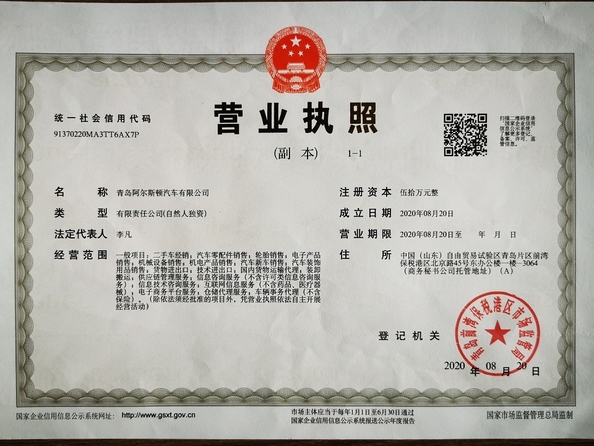
Buyers can review how Qingdao Alston Motors handles used truck refurbishment and export for company and process background. For a specific vehicle, buyers should contact the export team with the truck specification and required refurbishment records before approving the final configuration.
Frequently Asked Questions
How do I know a refurbished used HOWO truck was actually refurbished?
Request evidence from three stages—before, during, and after refurbishment—and confirm that every stage can be tied to the same chassis/VIN or other reliable vehicle identifiers.
Are before-and-after photos enough to prove refurbishment?
No. Photos should be supported by a written work list, workshop-stage evidence, parts or repair records for major items, and final functional testing.
Should the chassis number appear in the refurbishment records?
Yes. The chassis/VIN is one of the strongest identifiers for connecting photos, inspection records, refurbishment work, and vehicle documentation to the same truck.
What replacement records matter most when buying a used HOWO truck?
Prioritize tires, brake components, batteries, hydraulic hoses, air-system components, filters, clutch work, and significant engine or gearbox repairs because these directly affect early maintenance requirements and operating reliability.
Should buyers request refurbishment videos as well as photos?
Yes. Short workshop videos are particularly useful for work that cannot be verified from finished photographs, including cab removal, chassis preparation, mechanical repair, hydraulic testing, cold starting, and road testing.
When should the buyer review the final refurbishment records?
Review the complete record before final shipment approval. Vehicle identity, configuration, agreed refurbishment work, major replaced parts, and functional test results should all be resolved before the truck leaves the supplier.
What should I do if the supplier cannot provide vehicle-specific refurbishment evidence?
Treat the refurbishment claim as unverified. Request additional evidence tied to the truck's identity or arrange an independent inspection rather than relying on general workshop photos or verbal assurances.
Written by: Bruce Li, Export Consultant
Reviewed by: Alston Motors Export & Technical Team
Company: Qingdao Alston Motors Co., Ltd

 Your message must be between 20-3,000 characters!
 English