What Should Buyers Inspect Before Buying a Used HOWO Water Sprinkler Truck for Road Spraying?
Before buying a used water sprinkler truck for road spraying, buyers should inspect the chassis, tank shell, internal baffles, PTO system, water pump, spray nozzles, valves, tires, cab controls, documents, and export preparation. For used HOWO water sprinkler trucks, pump testing and tank condition are more important than exterior repainting.
Chassis and Powertrain Reliability: Aligning Engine Horsepower With Road Conditions
A used water sprinkler truck must have a chassis strong enough to carry a full liquid load on both paved roads and rough construction sites. Water moves inside the tank during braking, turning, and climbing, so the chassis, sub-frame, suspension, and rear axles must be checked carefully before purchase.
For a 15,000L to 20,000L water tank, a 6x4 chassis with 290HP to 336HP is commonly used for road spraying, dust suppression, landscaping, construction sites, and mining road maintenance. Buyers working on muddy roads, steep slopes, or long-distance site routes should avoid light-duty chassis retrofitted with oversized tanks.
Inspect the main frame rails, sub-frame reinforcement, spring brackets, cross members, rear suspension, and axle mounting areas. A good heavy-duty chassis should not show serious cracks, twisting, poor welding, or fresh paint covering structural repair marks. Suspension packs should also be checked for broken leaf springs, uneven height, and abnormal wear.
Tank Structural Integrity: Checking Wall Thickness, Baffles, and Interior Coatings
Tank condition is one of the most important factors when evaluating a used water sprinkler truck. A clean outside surface does not prove the tank is safe, because corrosion often starts from the inside, especially when the truck has carried brackish water, industrial water, or untreated construction water.
For road spraying and dust control, many water tanks use carbon steel with a wall thickness of about 4.0mm to 6.0mm. Buyers should check the shell, end plates, welding seams, manhole area, bottom outlet, and mounting points. If possible, use an ultrasonic thickness gauge to confirm whether the steel has become too thin.
Internal baffles are also important. They reduce water surge when the truck brakes or turns, helping protect the chassis and improve driving stability. Missing, cracked, or detached baffles can make the truck harder to control when fully loaded. Buyers should also inspect the interior anti-corrosion coating, rust scaling, sediment buildup, and signs of previous repair welding.
The Pumping and Driving System: Inspecting PTO Engagement and Self-Priming Output
The PTO and pump system should be tested before buying because it controls the truck’s core working function. If the PTO slips, grinds, or fails to engage, the water pump cannot work normally even if the pump body looks clean from outside.
A heavy-duty used water sprinkler truck usually requires a water pump flow of about 40m³/h to 60m³/h for road spraying, front flushing, rear sprinkling, side spraying, and water cannon operation. Buyers should test pump suction, outlet pressure, pipeline flow, valve switching, and PTO engagement under real working conditions.
The self-priming test is especially useful. The pump should draw water from a low water source using a suction hose with a filter screen. If priming takes too long, suction is weak, or water output is unstable, the pump seal, impeller, suction pipe, or air leakage points may need repair. A practical test should show stable water intake, smooth PTO engagement, and steady spray pressure.
| Inspection Zone |
Normal Target |
Minimum Buyer Check |
Main Risk |
| Tank shell thickness |
4.0mm–6.0mm |
No thin or leaking areas |
Corrosion, leakage, tank repair cost |
| Pump output flow |
40m³/h–60m³/h |
Stable spraying and filling |
Weak spray width and slow operation |
| Chassis frame |
Reinforced heavy-duty frame |
No cracks or twisting |
Frame damage under full liquid load |
| PTO engagement |
Smooth mechanical shift |
No gear slippage or grinding |
Pump cannot work normally |
| Spray nozzles |
Even water output |
No blocked or broken nozzles |
Uneven road spraying and repeated passes |
Spraying Configurations: Testing Front Flushing, Rear Sprinkling, and Water Cannons
A used water sprinkler truck should be tested through all spraying functions, not only the pump. Different road projects require different water patterns, including front flushing for road cleaning, rear sprinkling for dust control, side spraying for shoulder maintenance, and water cannon use for long-distance spraying.
Front flushing should produce a wide and even water fan across the road surface. Rear sprinkling should maintain stable pressure without heavy gaps between nozzles. Side spraying should be tested on both sides if the truck includes that function. The top water cannon should rotate smoothly and reach a practical spray distance, often around 25 to 30 meters depending on pump pressure and nozzle condition.
Clogged nozzles, mismatched spray heads, weak pressure, leaking joints, or stuck manual valves can reduce job efficiency. Buyers comparing different road construction vehicles can use a used HOWO truck buying guide to understand how spraying systems, chassis strength, and application scenarios should be matched before purchase.
Piping, Valves, and Drainage: Auditing Cabin-Controlled Actuators and Anti-Freezing Outlets
The piping and valve system determines how easily the driver can switch between different spraying functions. A practical water sprinkler truck should allow the operator to control front spray, rear spray, side spray, and water cannon functions safely and efficiently.
Many modern water trucks use pneumatic cabin controls instead of only manual ball valves. Cabin-controlled valves reduce the need for the driver to leave the vehicle during road work, which improves safety near traffic and construction zones. Buyers should inspect air lines, pneumatic cylinders, valve response, control switches, and rubber hoses for leakage or slow movement.
Drainage points are also important. The lowest points of the pump, pipes, and tank outlet should have proper drain valves. In cold regions, residual water left inside pipes or pump housing can freeze and crack components overnight. Buyers should confirm that the drain valves open smoothly and that the supplier explains the correct winter drainage process before shipment.
For buyers who want to understand export preparation standards, Qingdao Alston Motors inspection and export support can be linked from this section to explain how working systems, documents, and shipping checks are handled before delivery.
Environmental and Import Compliance: Navigating Emission Standards for Regional Entry
A used water sprinkler truck should meet the import, registration, and road-use requirements of the destination country before shipment. Emission standards, vehicle age limits, steering side, inspection certificates, and customs rules can affect whether the truck can be cleared and registered after arrival.
Used HOWO water sprinkler trucks may come with Euro II, Euro III, Euro IV, or Euro V engines depending on model year and configuration. Euro II and Euro III mechanical engines are still preferred in some developing markets because they are easier to maintain and more tolerant of fuel quality. However, some countries or urban projects may require newer standards.
Buyers should verify the engine plate, chassis number, engine number, manufacturing year, and document consistency before payment. It is safer to confirm import rules with the destination country’s transport authority, customs broker, or approved inspection agency instead of relying only on general online information or seller claims.
Vehicle Provenance and Documentation: Confirming Maintenance History and Export Paperwork
Clear vehicle history and complete export documents reduce the risk of customs delay, port storage charges, and registration problems. Buyers should confirm that the chassis identification number, engine number, invoice details, export documents, and inspection records match the actual vehicle.
Important documents may include commercial invoice, packing information, bill of lading details, export certificate or deregistration document when required, chassis number record, engine number record, and destination-specific inspection documents. If the destination country requires pre-shipment inspection, the buyer should confirm the inspection agency, schedule, and required photos before the truck is sent to port.
Qingdao Alston Motors supports overseas buyers by checking the water tank, PTO system, pump output, spray nozzles, chassis, tires, export documents, and shipping preparation before used water sprinkler trucks are delivered.
Buyers comparing different models can review used HOWO water sprinkler truck for sale options to match tank capacity, chassis configuration, spraying system, steering side, and export requirements.
Risk Mitigation: Finalizing Supplier Selection and Pre-Delivery Inspection Protocols
A pre-delivery inspection should be completed before final payment and port delivery. For a used water sprinkler truck, exterior photos are not enough. The inspection should show engine start, idle condition, air pressure, PTO engagement, pump suction, spray functions, valve switching, water cannon operation, tire condition, chassis structure, cab controls, and document matching.
Video evidence is especially important. Buyers should request clear videos showing the truck drawing water, filling the tank, spraying from the front and rear, operating the water cannon, switching pneumatic controls, and driving with stable air pressure. If the tank has been repainted, the inspection should also show the bottom outlet, welding seams, manhole, pump area, pipe connections, and tank mounting brackets.
Shipping preparation should also be checked before loading. Battery protection, fuel level, tire pressure, lashing points, exposed pipe protection, and port loading photos can help buyers confirm that the truck is prepared for sea transport. Buyers who need a detailed quotation can contact Qingdao Alston Motors for water truck pricing, inspection photos, current stock, shipping cost, and destination port requirements.
Buyer Frequently Asked Questions
What water pump flow rate is best for road spraying?
A heavy-duty water sprinkler truck usually needs a pump flow of about 40m³/h to 60m³/h. This range helps support front flushing, rear sprinkling, side spraying, water filling, and water cannon operation for road construction and dust suppression work.
Why are internal tank baffles important?
Internal baffles reduce water surge inside the tank when the truck brakes, turns, or drives on uneven roads. They help improve vehicle stability, reduce stress on the chassis, and make the truck safer when carrying a full liquid load.
Can a used water sprinkler truck pump from a river or pond?
Yes, if the truck has a functional self-priming pump, suction hose, and filter screen. Buyers should test the suction process before purchase because worn seals, air leakage, or clogged filters can reduce water intake performance.
How do I prevent the water pump from freezing in winter?
After daily operation, open the lowest drain valves on the pump, pipes, and tank outlet to remove residual water. In freezing regions, water left inside the pump or pipe system can expand and crack important components.
What chassis configuration is recommended for a 15,000L water tank?
A 6x4 chassis with around 290HP to 336HP is commonly used for a 15,000L water sprinkler truck. Buyers should still check frame strength, sub-frame reinforcement, rear suspension, axle condition, tire specification, and road load requirements.
Why is PTO inspection more important than checking the pump body only?
The PTO transfers engine power to the water pump. If the PTO slips, grinds, or fails to engage, the pump cannot operate correctly even if the pump body looks clean. Buyers should test PTO engagement together with pump output and spray functions.
Written by: Alston Motors Editorial Team
Reviewed by: Export and Technical Team
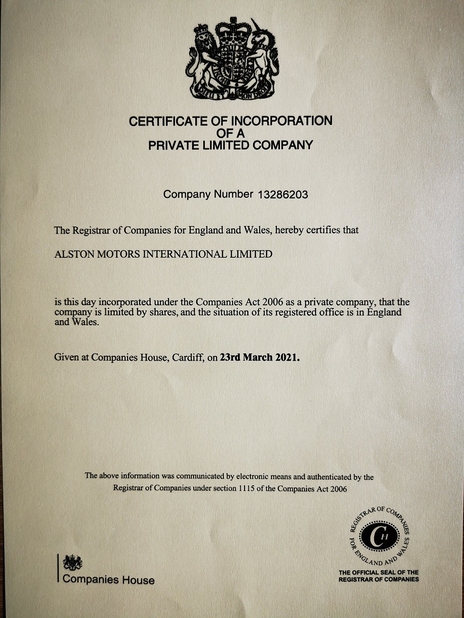
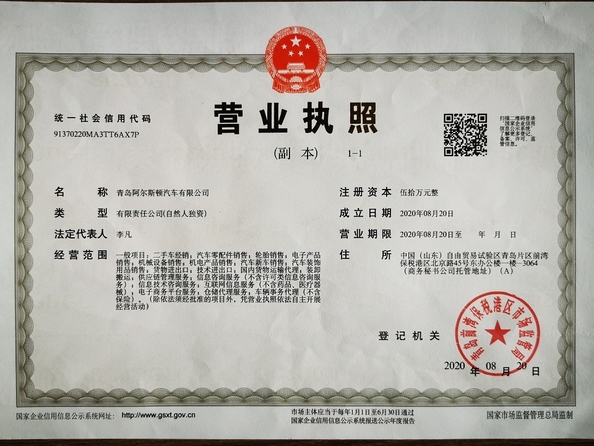
Company: Qingdao Alston Motors Co., Ltd
About Alston Motors Editorial Team:
Alston Motors Editorial Team shares practical insights on refurbished HOWO trucks, semi trailers, commercial vehicles, used cars, and export solutions for Africa and other developing markets. The content is based on the company’s experience in vehicle inspection, refurbishment, export coordination, spare parts support, and customer service for overseas buyers.

 Your message must be between 20-3,000 characters!
 English