Used HOWO Water Tank Truck for Construction, Road Spraying, and Water Supply
A used HOWO water tank truck is a cost-effective choice for construction, road spraying, dust control, and temporary water supply when its tank, pump, nozzles, chassis, brakes, and export documents are inspected before shipment.
1. What Is a Used HOWO Water Tank Truck?
A used HOWO water tank truck is a refurbished heavy-duty chassis fitted with a water tank, pump, pipelines, valves, spray nozzles, and rear working platform. Common 6x4 HOWO units carry about 15,000–25,000 litres, making them suitable for construction sites, road projects, municipal work, and rural water delivery.
Most HOWO water trucks use 336HP or 371HP diesel engines, matched with 10-speed manual gearboxes and heavy-duty rear axles. For African buyers, this configuration is practical because HOWO parts such as filters, brake linings, clutch plates, injectors, and suspension components are widely supplied in many developing markets.
A properly refurbished used HOWO water tank truck for construction and road spraying should be inspected as both a truck and a water system. The chassis must run safely, while the pump, tank, pipelines, valves, and nozzles must work continuously under 8–10 hour site conditions.
2. Main Applications of Water Tank Trucks
The main applications include road spraying, dust suppression, construction water supply, landscaping, irrigation support, road cleaning, and emergency water delivery. On road projects in Ghana, Kenya, Nigeria, Tanzania, Zambia, and Zimbabwe, a 20,000-litre water truck can serve several work points depending on refill distance and road condition.
Construction contractors use water trucks to reduce dust, support soil compaction, wash equipment, and provide water where fixed pipelines are unavailable. In dry-season projects, unwatered temporary roads may become dusty within 1–2 hours, affecting visibility, worker safety, nearby residents, and the working life of air filters and tires.
Water supply demand also supports long-term use. The WHO/UNICEF Joint Monitoring Programme 2025 report states that 2.1 billion people globally still lacked safely managed drinking water in 2024, including 106 million people using untreated surface water sources. This explains why water trucks remain useful in rural and peri-urban areas. (联合国儿童基金会)
3. Tank Capacity and Spraying System Options
Common used HOWO water tank capacities include 10,000 litres, 15,000 litres, 20,000 litres, and 25,000 litres. A 10,000–15,000 litre truck is easier for city roads, while a 20,000-litre 6x4 unit is often preferred for highway construction, mining roads, quarry areas, and long-distance site water delivery.
A complete spraying system usually includes front spray, rear sprinkler, side spray, gravity outlet, pump-assisted outlet, and rear water cannon. A well-maintained water cannon can normally spray about 25–35 metres, while rear sprinklers are more useful for covering wide dusty roads at low working speed.
The tank body should have internal baffles, manhole access, overflow outlet, bottom drainage, anti-corrosion coating, and strong mounting brackets. Without baffles, a half-filled 20,000-litre tank can create liquid surge during braking, increasing instability risk on slopes, gravel roads, or unfinished construction routes.
4. Water Pump, Pipeline, and Nozzle Inspection
The water pump should be tested under load for at least 10–15 minutes before purchase. A pump may rotate normally but still fail to build enough pressure for front spray, rear sprinkler, or water cannon use. Buyers should check vibration, leakage, suction speed, abnormal noise, and outlet pressure.
Pipelines should be checked for rust, leakage, blockage, cracked joints, poor welding repair, and loose clamps. Many HOWO water trucks use 50mm or 65mm pipe connections, and even a small leak can waste hundreds of litres per day when the truck works continuously on long road-spraying routes.
Nozzles should spray evenly from left to right across the vehicle width. If one side is weak, the cause may be blocked nozzles, corroded pipelines, uneven pump pressure, or damaged control valves. A proper pre-shipment test should check at least 5 positions: front, rear, side, cannon, and gravity outlet.
Based on Africa-bound inspection experience, Qingdao Alston Motors recommends testing every valve separately instead of only starting the main pump. This matters because a truck may pass a basic driving video, but still fail actual spraying work after 2–3 days on a construction site.
5. Chassis and Engine Condition Checks
A used water tank truck should first be inspected as a heavy-duty truck. The engine should start smoothly, idle steadily, avoid heavy blue smoke, and keep stable oil pressure after warming up. For HOWO WD615 engines, overheating, oil-water mixing, abnormal knocking, or weak compression may indicate high repair cost.
The chassis should be checked for frame deformation, suspension cracks, axle oil leakage, brake chamber damage, tire wear, gearbox response, and steering looseness. A 6x4 water truck carrying 20,000 litres needs reliable brakes and suspension because the working weight is much higher than the empty vehicle weight.
Tires and brakes deserve close attention before export. Replacing 8–10 heavy truck tires after arrival can cost more than many buyers expect, and weak brakes are dangerous on downhill roads. For countries such as Tanzania, Rwanda, Zambia, and Ethiopia, cooling system condition is also important in hot and dusty conditions.
6. Used Water Tank Truck vs Fuel Tank Truck
A used water tank truck and a fuel tank truck may look similar, but their functions and safety requirements are different. A water truck focuses on pump flow, spray width, anti-corrosion treatment, and discharge efficiency, while a fuel tanker requires anti-static devices, emergency valves, sealed compartments, and fire-safety fittings.
Water trucks usually carry non-flammable liquid and may use front spray, rear sprinkler, side spray, and water cannon systems. Fuel trucks need stricter compartment design, breathing valves, grounding chains, emergency cut-off systems, and leakage control because diesel or petrol transport creates fire and environmental risks.
Buyers should not simply convert a used fuel tanker into a water truck without professional cleaning, modification, and inspection. For most contractors, a purpose-built 20,000L HOWO water tank truck is safer, easier to maintain, and more suitable for road spraying and site water supply.
7. Price Factors for Used HOWO Water Tank Trucks
The price of a used HOWO water tank truck depends on chassis year, engine condition, tank capacity, pump quality, tire condition, steering type, emission standard, refurbishment level, and destination requirements. In China export quotations, many 20,000-litre HOWO water trucks are listed around USD 14,000–20,000 before shipping, depending on inspection results.
Tank capacity strongly affects price because larger tanks require more steel, stronger mounting, better welding, and more careful balance. A 25,000-litre tank may carry more water, but a 15,000–20,000 litre truck may perform better where roads are narrow, bridges are weak, or construction sites have limited turning space.
African buyers should calculate the full landed cost, not only the ex-factory price. Shipping, port charges, customs duty, inland transport, inspection fees, spare parts, and local repairs can change the final cost by 15–30%. A cheaper truck may become expensive if it needs tires, brakes, pump repair, or repainting.
The World Bank notes that Sub-Saharan Africa reached 68% access to at least basic water services in 2024, but rural access was only 53%. This gap helps explain why water transport equipment remains important for both construction projects and temporary water supply in rural communities. (世界银行)
8. Export and Shipping Preparation
Export preparation should include engine testing, brake inspection, tank leak testing, pump testing, nozzle testing, tire checking, chassis cleaning, battery inspection, document confirmation, and photo or video records. For water trucks, buyers should request spraying and discharge videos from at least 3–5 working positions before shipment.
Most 6x4 HOWO water tank trucks are too large for standard containers, so Ro-Ro or bulk cargo shipping is more common. African destination ports may include Lagos, Tema, Mombasa, Dar es Salaam, Durban, Beira, and Walvis Bay, with shipping time often depending on route, vessel schedule, and port congestion.
For export projects, Qingdao Alston Motors usually advises buyers to confirm the chassis number, engine number, tank condition, pump model, valve layout, tire photos, cab condition, and spray test before loading. These 8 inspection points reduce misunderstanding because a water truck has more working parts than a standard cargo truck.
Buyers who also operate tractors, dump trucks, or semi trailers can compare spare parts planning with a HOWO tractor truck. Shared parts such as filters, tires, batteries, brake parts, and clutch components can simplify fleet maintenance when more than 3–5 HOWO units work together.
The World Bank reports that cities generate about 80% of global GDP, and nearly 7 in 10 people are expected to live in urban areas by 2050. Urban growth supports long-term demand for roads, construction, cleaning, water delivery, and municipal service vehicles. (世界银行)
9. FAQs About Used HOWO Water Tank Trucks
Q1: What capacity is most popular?
A 20,000-litre 6x4 HOWO water truck is the most common export choice.
Q2: Can it carry drinking water?
Only if the tank coating, cleaning, and local potable-water rules are met.
Q3: Is 336HP enough?
Yes, 336HP is usually enough for 15,000–20,000 litre water trucks.
Q4: What must be tested first?
Test the pump, nozzles, valves, brakes, engine, tires, and tank leakage.
Q5: Is RHD available?
Yes, RHD can suit Kenya, Tanzania, Zambia, Zimbabwe, and similar markets.
Q6: How is it shipped?
Most 6x4 water tank trucks ship by Ro-Ro or bulk cargo vessel.
Q7: Is used cheaper than new?
A refurbished used unit may reduce purchase cost by about 30–50%.
Q8: Where can I check the supplier?
You can review company background on the About Us page.
Written by: Alston Motors Editorial Team
Reviewed by: Export & Technical Team
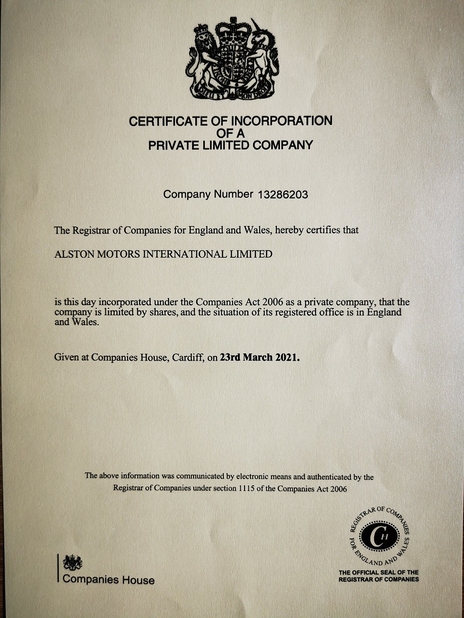
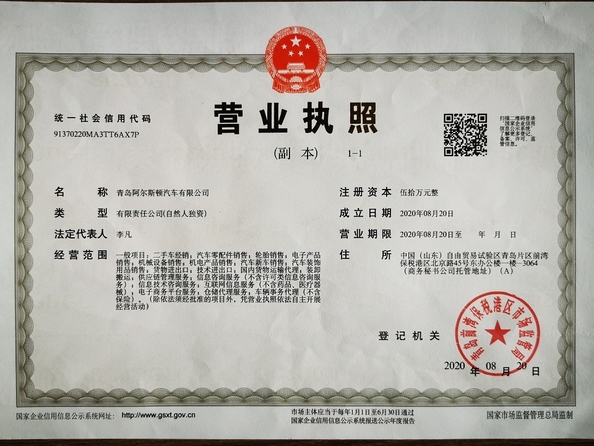
Company: Qingdao Alston Motors Co., Ltd
About Alston Motors Editorial Team:
Alston Motors Editorial Team shares practical insights on refurbished HOWO trucks, semi trailers, commercial vehicles, used cars, and export solutions for Africa and other developing markets. The content is based on the company’s experience in vehicle inspection, refurbishment, export coordination, spare parts support, and customer service for overseas buyers.

 Your message must be between 20-3,000 characters!
 English