Used SITRAK Truck from China: Complete Buyer's Guide for Heavy-Duty Transport
A used SITRAK truck from China suits long-distance haulage, container transport, fuel logistics, and heavy-duty cargo when engine condition, gearbox, chassis, cab, mileage, emission standard, and export documents are verified before shipment.
1. What Is a Used SITRAK Truck?
A used SITRAK truck is a second-hand heavy-duty truck from SINOTRUK’s higher-end truck line, commonly exported as a 4x2 or 6x4 tractor unit. Common used tractor models are matched with 40ft semi trailers, fuel tankers, flatbeds, and container chassis.
SINOTRUK describes SITRAK as a high-end heavy-duty truck co-brand created with MAN in 2009, covering tractors, cargo trucks, construction vehicles, and special-purpose vehicles. The brand is sold in China and more than 50 countries and regions. (中国重汽)
For overseas buyers, a used SITRAK truck for heavy-duty transport should be evaluated as a long-haul working asset, not only a low-price used vehicle. Engine power, cab comfort, axle ratio, fuel tank capacity, and service history directly affect daily operating cost.
2. SITRAK Truck vs HOWO Truck
SITRAK and HOWO are both SINOTRUK heavy-duty truck lines, but their buyer profiles are different. HOWO is often chosen for construction, mining, and mixed transport, while SITRAK is usually selected for long-distance logistics, port transport, fuel hauling, and higher-speed highway use.
The practical comparison is clear. HOWO commonly attracts buyers seeking lower purchase cost, simpler maintenance, and wider mechanic familiarity. SITRAK usually costs more, but it offers stronger long-haul comfort, higher horsepower options, better cab configuration, and stronger appeal for routes above 500km.
For African fleets, the choice should follow road condition, cargo value, route distance, and workshop ability. HOWO is often more practical for rough sites and short routes, while SITRAK is better for 8–12 hour daily driving, cross-border freight, and port-to-city container haulage.
3. Main Applications of Used SITRAK Trucks
Used SITRAK trucks are mainly used for container transport, fuel tanker hauling, flatbed cargo, refrigerated transport, bulk cargo, and long-distance logistics. In Nigeria, Ghana, Kenya, Tanzania, Zambia, Angola, and South Africa, 6x4 tractor units are commonly matched with 40ft semi trailers.
China’s commercial vehicle export growth supports overseas availability. According to China’s official government portal citing CAAM data, China exported 214,000 commercial vehicles in Q1 2024, up 27.5% year on year, including trucks and coaches. (国务院)
Africa’s infrastructure demand also supports heavy-duty transport. The African Development Bank has estimated Africa’s infrastructure needs at USD 130–170 billion per year, with a financing gap of up to USD 108 billion, covering transport, power, water, and logistics-related infrastructure. (africarenewal.un.org)
4. Engine, Gearbox, and Cab Configuration
Used SITRAK tractor trucks often use MC11 or MC13 series diesel engines, depending on model year and emission standard. SINOTRUK’s published heavy-truck parameters list MC11 engines around 360HP–460HP and MC13 engines around 480HP–540HP in related heavy-duty configurations. (en.sinotrukinternational.com)
Gearbox options may include 12-speed manual, 16-speed manual, or automated manual transmission. For routes above 500km, AMT can reduce driver fatigue, while manual gearboxes may be easier to repair in markets where diagnostic tools, software, and electronic service skills are limited.
Cab configuration is one reason buyers choose SITRAK over older truck models. High-roof cabs, sleeper beds, air seats, larger fuel tanks, and better sound insulation are useful when drivers work 8–12 hours daily on routes between ports, inland cities, mines, and border crossings.
5. How to Inspect a Used SITRAK Truck
The engine should be inspected first. Buyers should check cold start, idle stability, oil pressure, coolant condition, exhaust smoke, turbo sound, injector response, and fault codes. A 6-cylinder engine with poor maintenance can create repair costs far above the initial price discount.
The gearbox and clutch should be tested under real driving conditions, not only while parked. Check gear shifting, clutch engagement, abnormal noise, oil leakage, retarder function, and hill-start response. A 12-speed or 16-speed gearbox should shift smoothly in low and high ranges.
Chassis inspection should include frame straightness, fifth wheel wear, axle leakage, suspension brackets, brake chambers, steering linkage, tires, batteries, air tanks, and wiring. For a 6x4 tractor with 10 tires, tire replacement after arrival can add several thousand dollars to landed cost.
6. Used SITRAK Tractor Truck for Long-Distance Haulage
A used SITRAK tractor truck is especially suitable for long-distance haulage when the route is stable, the cargo is valuable, and delivery timing matters. Typical applications include container haulage, fuel tanker transport, refrigerated trailers, dry cargo trailers, and cross-border routes of 300–800km.
Fuel tank capacity and axle ratio matter for long-haul work. Some used SITRAK configurations may list 600L, 860L, or 1000L fuel tanks, but buyers should confirm actual tank condition, brackets, leakage, fuel-line sealing, and whether the configuration matches the original truck record.
Based on Africa-bound inspection experience, Qingdao Alston Motors recommends testing the tractor with a trailer or simulated load when possible. A truck that performs well empty may still show weak clutch, overheating, brake imbalance, or transmission problems after 20–30km of loaded driving.
Buyers can match a used SITRAK tractor truck with flatbed, fuel tanker, bulk cement, lowbed, or container semi trailers. The trailer weight, cargo type, axle load, road grade, and braking requirement should decide the final tractor specification.
7. Price Factors for Used SITRAK Trucks
Used SITRAK truck price depends on model year, engine power, emission standard, mileage, gearbox type, tire condition, cab condition, fuel tank size, axle ratio, and refurbishment level. A newer 540HP tractor normally costs more than an older 440HP or 480HP unit.
Before quotation, buyers should confirm at least 8 items: model year, engine model, horsepower, mileage, gearbox, emission standard, tire condition, and destination port. Without these details, two 6x4 SITRAK tractors may look similar but differ greatly in value.
A reliable quotation should also include inspection photos, road-test video, chassis number confirmation, tire photos, cab photos, engine running video, shipping port, and destination port. These 8 records help buyers compare real truck condition instead of judging only from price or exterior paint.
A cheaper truck is not always cheaper in operation. If a used unit needs 10 tires, clutch repair, injector service, brake work, or gearbox repair, the total landed cost may rise by several thousand dollars within the first 3–6 months.
For buyers with tighter budgets or rougher site conditions, a HOWO tractor truck may be easier to maintain. For higher-value cargo, longer routes, and driver comfort, SITRAK may justify the higher purchase cost through power, cab comfort, and route efficiency.
8. Shipping Used SITRAK Trucks from China
Shipping preparation should include engine testing, gearbox testing, brake inspection, tire checking, cab inspection, battery checking, chassis cleaning, photo records, video records, and document confirmation. Buyers should request at least 10–15 detailed photos and 1 road-test video before shipment.
Used SITRAK trucks are usually shipped by Ro-Ro, bulk cargo, or containerized methods depending on truck size, port route, and freight cost. A complete 6x4 tractor truck is normally too large for a standard 40ft container, so Ro-Ro or bulk vessel shipping is common.
For Africa-bound exports, Qingdao Alston Motors advises buyers to confirm destination rules before payment, including steering side, emission requirement, import age limit, customs documents, port charges, and inland transport. These 6 points affect whether the truck clears customs smoothly after arrival.
Buyers who also need trailers can compare tractor compatibility with flatbed semi trailers. Correct trailer matching reduces brake imbalance, fifth wheel wear, tire overload, and fuel waste on long-distance routes.
Urban freight demand is also supported by long-term city growth. The World Bank states that more than 4 billion people live in cities, cities generate about 80% of global GDP, and nearly 7 in 10 people will live in urban areas by 2050. (世界银行)
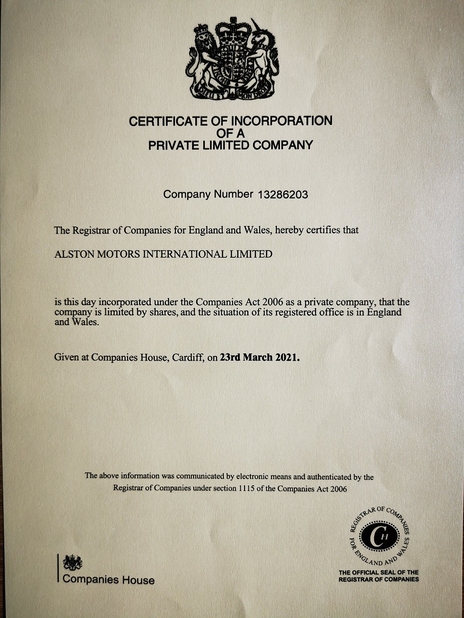
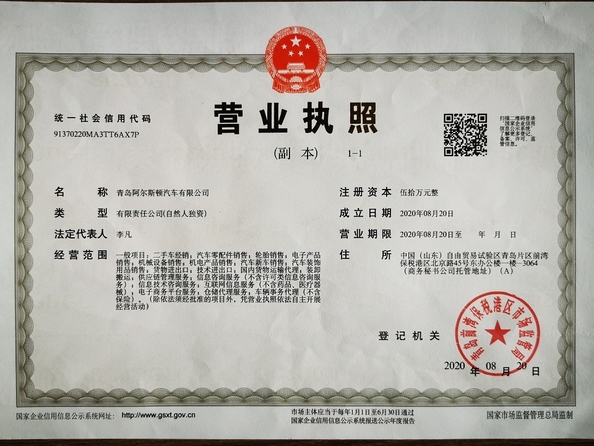
Before placing an order, buyers can review exporter background, product range, and service experience on the About Us page. Used truck export usually involves 4 linked steps: inspection, refurbishment, shipping coordination, and after-sales parts support.
9. FAQs About Used SITRAK Trucks
Q1: What is a SITRAK truck?
It is SINOTRUK’s higher-end heavy-duty truck line developed with MAN cooperation.
Q2: Is SITRAK better than HOWO?
SITRAK suits long-haul comfort; HOWO suits rough work and lower budgets.
Q3: What horsepower is common?
Common used SITRAK tractor trucks range around 440HP–540HP.
Q4: Is 6x4 better than 4x2?
6x4 is better for heavy trailers, slopes, and rougher road conditions.
Q5: What should be inspected first?
Check engine, gearbox, clutch, brakes, tires, chassis, and fault codes.
Q6: Can SITRAK haul containers?
Yes, 6x4 SITRAK tractors commonly haul 40ft container trailers.
Q7: How is it shipped from China?
Most complete 6x4 tractors ship by Ro-Ro or bulk cargo vessel.
Q8: Is SITRAK suitable for Africa?
Yes, if parts support, road rules, emission standards, and inspection are confirmed.
Written by: Alston Motors Editorial Team
Reviewed by: Export & Technical Team
Company: Qingdao Alston Motors Co., Ltd
About Alston Motors Editorial Team:
Alston Motors Editorial Team shares practical insights on refurbished HOWO trucks, semi trailers, commercial vehicles, used cars, and export solutions for Africa and other developing markets. The content is based on the company’s experience in vehicle inspection, refurbishment, export coordination, spare parts support, and customer service for overseas buyers.

 Your message must be between 20-3,000 characters!
 English