What Should Buyers Check Before Buying a Used HOWO Cargo Truck?
Before buying a used HOWO cargo truck, buyers should check the engine, gearbox, chassis frame, axles, brake system, tires, cargo body, cabin electronics, refurbishment quality, and export documents. For regional logistics and cross-border haulage, verified mechanical condition is more important than the lowest purchase price.
1. Check Engine Condition Before Confirming the Truck
A healthy HOWO cargo truck engine should start smoothly, idle steadily, and run without thick smoke, abnormal knocking, or heavy blow-by.
Most used HOWO cargo trucks use Sinotruk WD615 engines, including 336HP and 371HP versions. These engines are popular in developing markets because they are simple, durable, and easier to maintain than many newer common-rail systems.
During inspection, open the oil filler cap while the engine is warm. Heavy pulsing smoke may indicate worn piston rings or cylinder pressure leakage. Oil pressure should stabilize at idle and rise under acceleration. Thick black smoke may point to injector problems, poor air filtration, or fuel system wear.
2. Test the Gearbox and Transmission Response
The gearbox should shift smoothly through all gears without grinding, delay, jumping out of gear, or abnormal vibration.
Many HOWO cargo trucks use the HW19710 10-speed manual gearbox. Buyers should test both low-range and high-range gears during a road test. The 5th and 6th gear positions are especially important because worn synchronizers often show problems under acceleration.
If the transmission jumps out of gear, internal components may already be badly worn. Buyers can also check the gearbox oil for bronze-colored metal paste, which may indicate synchronizer wear. For suitable drivetrain options, buyers can compare used HOWO cargo trucks for sale before confirming the final model.
3. Inspect the Chassis Frame and Cargo Body
The chassis frame must be straight, reinforced, and free from hidden cracks, downward bending, or suspicious repair welding.
A 9.6-meter cargo box places strong bending force on the frame, especially when the truck has carried agricultural goods, building materials, or overloaded bulk cargo. Buyers should sight along the main chassis rails and check whether the frame is level from front to rear.
Pay close attention to crossmembers, rivet points, rear suspension areas, and the connection between the cargo body and chassis. Buyers comparing different box lengths and side-wall designs can review used HOWO cargo truck body configurations before choosing a 7.2m, 8.6m, or 9.6m cargo truck.
Buyers comparing related export vehicles can also review used HOWO trucks from China before choosing cargo trucks, dump trucks, tractor trucks, or tank trucks.
| Component |
Standard Configuration |
Heavy-Duty Alternative |
Suitable Use |
| Engine |
WD615.69 336HP |
WD615.47 371HP |
Highway logistics vs heavier cargo |
| Gearbox |
HW19710 10-speed |
HW19712 12-speed |
Standard haulage vs heavy routes |
| Rear axle |
ST16 single reduction |
HC16 hub reduction |
Highway use vs rough-road transport |
| Cargo body |
7.2m drop side |
9.6m high stake box |
Palletized goods vs bulk cargo |
4. Check Axles, Differential Locks, and Hub Seals
Axle configuration affects pulling power, fuel economy, terrain ability, and repair cost.
ST16 single-reduction axles are more suitable for paved highway logistics because they reduce internal friction and help improve fuel economy. HC16 hub-reduction axles are better for rough roads, construction access roads, mountainous routes, and heavier cargo work.
Buyers should confirm whether the truck is 6x4 or 8x4 and test the inter-axle differential lock from the cabin switch. Oil leakage around hub seals, differential housings, and axle ends may indicate worn seals or poor maintenance. Dry planetary gears can cause expensive axle failure after export.
5. Test the Pneumatic Brake and Air System
The air brake system must build pressure quickly, hold pressure steadily, and respond evenly under load.
A healthy HOWO cargo truck air system should build operating pressure to about 0.8 MPa without excessive delay. During static testing, shut off the engine after the air tanks are charged and listen for air leaks around brake chambers, valves, hoses, and reservoirs.
Moisture inside the air system can damage valves and reduce brake reliability. Pull the purge rings under the air tanks to check whether water or oil is present. Buyers operating in mountainous or cross-border routes should treat brake inspection as a priority, not a minor checklist item.
For a broader pre-shipment checking standard, buyers can review our used HOWO truck inspection process before confirming the final cargo truck.
6. Inspect Tires, Wheel Rims, and Suspension Wear
Tires and suspension condition directly affect first-month operating cost after the truck arrives.
A 6x4 HOWO cargo truck normally uses ten heavy-duty tires, so worn tires can quickly increase the real purchase cost. Buyers should check tread depth, sidewall cracks, uneven wear, retread quality, and tire production date.
Steering tire feathering may indicate poor alignment, worn tie-rod ends, or front axle problems. Inspect wheel rim holes for elongation, loose studs, and rust around the mounting area. Suspension leaf springs should be checked for cracked leaves, shifted center bolts, worn bushings, and uneven ride height.
| Inspection Item |
What to Check |
Buyer Risk |
| Engine blow-by |
Smoke from oil filler cap |
Worn rings or cylinder leakage |
| Gearbox |
Grinding, jumping gear, metal oil paste |
Costly transmission repair |
| Chassis frame |
Downward bow, twist, weld repair |
Poor load safety |
| Brake system |
Slow pressure build-up, air leaks |
Unsafe braking |
| Tires |
Tread depth, sidewall cracks, uneven wear |
Immediate replacement cost |
| Suspension |
Cracked leaves, worn bushings |
Poor stability under cargo |
7. Check Cabin Electronics and Odometer Consistency
Cabin condition often reveals whether the truck’s mileage and usage history are believable.
Turn the ignition key to the auxiliary position and confirm that warning lights complete their normal bulb-check sequence. If the oil pressure, coolant temperature, brake, or charging warning lights do not illuminate, the system may have been modified to hide faults.
Compare the odometer reading with physical wear on the clutch pedal, steering wheel, gear knob, seat cushion, dashboard switches, and door handles. A truck showing low mileage but heavy pedal and steering-wheel wear may have odometer tampering or very harsh operating history.
8. Confirm Refurbishment Quality and Export Documents
A refurbished cargo truck should be inspected mechanically, repaired transparently, and matched with correct export paperwork.
Buyers should request inspection photos, engine running videos, gearbox test videos, chassis photos, tire photos, cargo body photos, repaint details, and loading photos before payment balance. Fresh paint should not replace real mechanical verification.
The VIN on the chassis frame must match the commercial invoice, packing list, export declaration, and Bill of Lading. Destination countries may also require age limits, emission documents, inspection certificates, or customs clearance support.
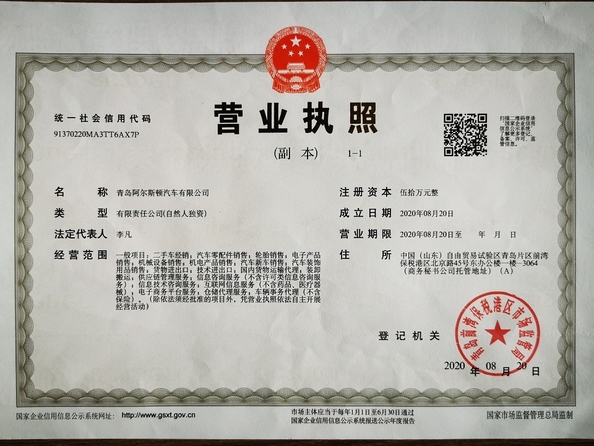
Qingdao Alston Motors supplies refurbished used HOWO cargo trucks with inspected engines, tested gearboxes, verified chassis frames, export documents, loading photos, and pre-shipment inspection support for overseas buyers.
Buyers can review Qingdao Alston Motors inspection and export experience before confirming the final truck condition, export process, and shipment plan.
9. Final Buying Recommendation
A used HOWO cargo truck is worth buying only when its mechanical condition, cargo body, chassis structure, and documents are all verified.
For highway cargo logistics, a 336HP or 371HP HOWO 6x4 cargo truck with ST16 axles may be enough. For rough roads, heavy cargo, agricultural transport, or construction materials, buyers should consider HC16 axles, stronger suspension, and a reinforced cargo body.
The best purchase is not always the newest repaint or lowest price. It is the truck with clear inspection records, stable engine condition, smooth gearbox response, straight chassis frame, safe brakes, usable tires, and complete export documents.
To confirm available models, cargo box size, chassis configuration, inspection photos, shipping method, and destination-port cost, buyers can contact Qingdao Alston Motors before ordering.
Frequently Asked Questions
What is the most important thing to check before buying a used HOWO cargo truck?
The most important checks are engine condition, gearbox response, chassis straightness, brake system safety, axle condition, and document matching. These items decide whether the truck can work reliably after export.
Which engine is better for a used HOWO cargo truck, 336HP or 371HP?
A 336HP engine is suitable for normal highway logistics and moderate cargo. A 371HP engine is better for heavier loads, mountainous routes, rough roads, or long-distance cross-border transport.
How can I tell if a used HOWO cargo truck engine is worn?
Check cold start behavior, exhaust smoke, oil pressure, blow-by at the oil filler cap, coolant condition, oil leaks, engine noise, and acceleration response during a road test.
Is a 9.6-meter HOWO cargo truck better than a 7.2-meter model?
A 9.6-meter cargo truck is better for higher-volume cargo such as agricultural goods, cartons, building materials, and bulk logistics. A 7.2-meter truck is easier to handle on shorter urban or regional routes.
Are HC16 axles better than ST16 axles?
HC16 axles are better for rough roads and heavy-duty use because they use hub reduction. ST16 axles are better for paved highway transport because they are simpler and more fuel-efficient.
How do I check if the air brake system is safe?
Build air pressure to about 0.8 MPa, shut off the engine, listen for leaks, test brake pedal response, check brake chambers, and drain the air tanks to see whether water or oil is present.
What documents should come with an exported used HOWO cargo truck?
Common export documents include commercial invoice, packing list, Bill of Lading, export declaration, chassis number details, engine number details, inspection photos, loading photos, and destination-required certificates.
Should I buy the cheapest used HOWO cargo truck?
Not usually. A very cheap truck may hide engine wear, gearbox damage, chassis bending, poor tires, brake problems, or missing documents. Verified condition is more important than the lowest price.
Written by: Alston Motors Editorial Team
Reviewed by: Export & Technical Team
Company: Qingdao Alston Motors Co., Ltd
About Alston Motors Editorial Team:
Alston Motors Editorial Team shares practical insights on refurbished HOWO trucks, semi trailers, commercial vehicles, used cars, and export solutions for Africa and other developing markets. The content is based on the company’s experience in vehicle inspection, refurbishment, export coordination, spare parts support, and customer service for overseas buyers.

 Your message must be between 20-3,000 characters!
 English