What specifications should I check before buying a used HOWO tractor truck for container transport?
Before buying a used HOWO tractor truck for container transport, check engine power, 6x4/4x2 drive, gearbox, clutch, fifth wheel, chassis, axles, brakes, air system, LHD/RHD configuration, tires, documents, refurbishment records, and shipping readiness.
1. Engine Power and Model: 371HP, 380HP, or 400HP
Engine power should match route distance, container weight, and road condition. For port-to-city routes under 300 km, a 371HP HOWO tractor truck is usually enough, especially when roads are paved, gradients stay below about 8%, and containers are not fully loaded every trip.
For mixed port and inland transport, 380HP is often the better middle choice. Routes above 500 km or gradients around 8%–12% need more pulling reserve, especially from Mombasa to Kampala, Dar es Salaam to Zambia, or Tema to Kumasi.
For heavy containers, hot regions, and longer inland corridors, 400HP gives a stronger working margin. When temperatures exceed 35°C or routes exceed 800 km, extra power helps reduce drivetrain pressure, speed loss, and repeated gear shifting under full-load operation.
For buyers comparing used HOWO tractor truck options, horsepower should never be checked alone. The engine model, cooling system, oil leakage, exhaust smoke, cold-start condition, and service history are equally important before confirming a unit.
2. Drive Configuration: 6x4 or 4x2 for Container Haulage
Drive configuration affects traction more than many buyers expect. A 6x4 tractor has 2 driven rear axles, while a 4x2 has only 1 driven rear axle, giving 6x4 better grip on wet yards, rough depots, and soft road shoulders.
For African container transport, 6x4 is usually the safer specification. The African Development Bank says roads carry 80% of goods and 90% of passenger traffic in Africa, so containers often continue far beyond the port gate after vessel discharge. (非洲开发银行)
A 4x2 tractor may work for cleaner port-to-city routes under 300 km. However, it has less traction margin when pulling 40-foot containers through muddy yards, uneven ramps, soft shoulders, or inland corridors damaged by rain and heavy freight.
For buyers checking HOWO 6x4 prime mover stock, the 6x4 layout is usually more flexible. It can handle port shunting, regional delivery, and longer inland container routes with better load distribution over 12 months.
3. Gearbox Type and Clutch Condition
The gearbox should be checked under load, not only while parked. Container transport involves frequent start-stop movement, reversing, coupling, and low-speed turning, so hard shifting or gear noise can become expensive after only 20–26 working days.
A 10-speed or 12-speed gearbox is commonly preferred for heavy tractor work because it gives drivers more control across different speeds and gradients. On routes above 500 km, gear selection affects fuel use, engine strain, hill climbing, and driver fatigue.
Clutch condition matters because container trucks often work in congested ports. Lagos Apapa, Mombasa, Dar es Salaam, Tema, and Durban can involve idling, queuing, and repeated low-speed movement, which quickly exposes clutch slip, weak pressure plates, or poor adjustment.
Before buying a refurbished tractor truck, ask for a road test video showing acceleration, gear changes, reverse movement, and load response. A smooth parked engine does not prove the transmission is ready for daily container work.
4. Fifth Wheel Specification and Locking System
The fifth wheel is one of the most important safety specifications on a container tractor. Maersk’s container weight guide lists a 40-foot standard steel container payload limit of 28,870 kg, so locking strength and mounting condition cannot be treated as minor details. (马士基)
Buyers should inspect at least 5 fifth-wheel points: plate wear, locking jaw condition, mounting bolts, grease condition, and kingpin fit. Even if the engine is strong, a loose fifth wheel can make the truck unsafe for 20-foot or 40-foot container work.
The fifth-wheel height should also match the trailer and operating route. If the tractor-trailer angle is poor, the truck may create uneven tire wear, coupling difficulty, or clearance problems when entering depots, ramps, warehouses, and unpaved yards.
For African port logistics, fifth-wheel inspection is more valuable than fresh paint. A repainted tractor may look ready in photos, but the locking system must be tested before shipment because failure can stop the truck immediately after arrival.
5. Chassis Frame, Rear Axles, and Suspension
The chassis frame should show no visible cracks, severe corrosion, or rough welding repairs. Container transport creates repeated stress during coupling, braking, turning, and pothole impact, so one hidden frame problem can cost more than 10 cosmetic repairs.
Rear axles carry major load and traction pressure. Buyers should check oil leakage, differential noise, axle housing condition, hub temperature, and suspension mounting points. A weak axle can stop a container tractor for 7–14 days after delivery.
Suspension condition is especially important for rough African corridors. A truck running from port areas to inland depots may face paved highways, broken asphalt, gravel sections, and warehouse yards within one 100 km route, so worn springs and bushings should be identified early.
A useful used truck inspection checklist should include chassis underside photos, axle test videos, spring condition, and suspension bracket inspection. These items reveal more operational risk than mileage claims, cabin trim, or exterior repainting.
6. Brake System, Air System, and Safety Components
Brake condition should be checked before price negotiation is complete. A tractor pulling a loaded 40-foot container needs stable braking, fast air-pressure recovery, and reliable handbrake response, especially when moving through ramps, port traffic, and downhill inland sections.
The air system should build pressure quickly and hold pressure without obvious leakage. Buyers should check air tanks, chambers, valves, hoses, dashboard gauges, and warning lights. A slow air system may delay every trip and create safety risk under load.
Safety components should include lights, mirrors, horn, reverse alarm, wipers, seat belts, and dashboard warning functions. These parts seem small, but they affect roadworthiness inspection, driver safety, and daily operation in countries such as Kenya, Tanzania, Ghana, and Nigeria.
Container transport is a high-volume logistics activity, not a casual trucking job. World Bank indicator data shows global container port traffic reached about 839.85 million TEUs in 2022, so reliability matters across both port handling and inland delivery. (交易经济学)
7. LHD or RHD Configuration for the Destination Market
Steering configuration must match the destination market before payment. Nigeria, Ghana, Angola, Rwanda, and Côte d’Ivoire mainly use LHD trucks, while Kenya, Tanzania, Zambia, Zimbabwe, Uganda, and South Africa generally require RHD for safer road use and easier registration.
RHD units usually need stricter sourcing because available stock can be narrower than LHD stock. Buyers should verify 4 items: steering position, dashboard layout, VIN documents, and conversion quality if the truck has been modified from its original factory setup.
Wrong steering selection can affect more than driving comfort. It may create problems with roadworthiness inspection, insurance, resale value, and customs clearance. For a 3–5 year fleet plan, correct LHD/RHD matching is more important than a small purchase saving.
For buyers sourcing used HOWO trucks for Africa, LHD/RHD should be confirmed together with horsepower, axle configuration, and destination port. A suitable truck for Ghana may not be suitable for Tanzania, even if the engine and chassis are acceptable.
8. Tires, Documents, Refurbishment Records, and Shipping Readiness
Tires should be checked by size, tread depth, sidewall condition, and production date. A tractor working 20–26 days per month cannot rely on badly aged tires, especially when hauling heavy containers from ports to inland warehouses, factories, or dry ports.
Documents should be checked before vessel departure, not after arrival. Buyers should confirm at least 6 items: commercial invoice, packing list, bill of lading, certificate of origin, chassis number, and inspection records to reduce customs or registration delays.
Refurbishment records should show what was repaired, not just what was repainted. Repainting may take 2–3 days, but brake repair, engine testing, air-system checking, chassis review, and road testing determine whether the truck can work for 6–12 months.
Before confirming the final unit, buyers can compare available 371HP, 380HP, and 400HP used HOWO tractor truck options by route, steering side, fifth-wheel condition, inspection result, shipping method, and expected delivery timeline.
FAQ
1. Is 371HP enough for container transport?
Yes. It suits paved routes under 300 km and moderate loads.
2. When should I choose 380HP?
Choose 380HP for routes above 500 km or mixed gradients.
3. When is 400HP better?
For heavy containers, hot regions, hills, or 800 km routes.
4. Is 6x4 better than 4x2?
Usually yes. 6x4 has 2 driven rear axles.
5. Can a bad fifth wheel affect safety?
Yes. It can cause coupling failure under heavy container load.
6. What should be inspected first?
Engine, fifth wheel, chassis, axles, brakes, and air system.
7. Should I choose LHD or RHD?
Choose according to destination country rules and registration needs.
8. Is new paint equal to refurbishment?
No. Real refurbishment requires mechanical inspection and repair records.
Written by: Alston Motors Editorial Team
Reviewed by: Export & Technical Team
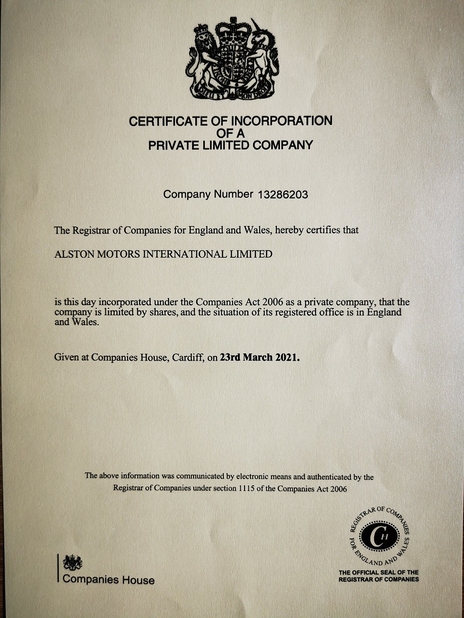
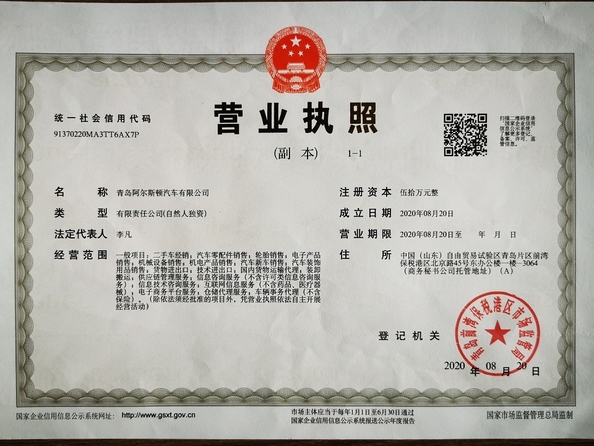
Company: Qingdao Alston Motors Co., Ltd
About Alston Motors Editorial Team:
Alston Motors Editorial Team shares practical insights on refurbished HOWO trucks, semi trailers, commercial vehicles, used cars, and export solutions for Africa and other developing markets. The content is based on the company’s experience in vehicle inspection, refurbishment, export coordination, spare parts support, and customer service for overseas buyers.

 Your message must be between 20-3,000 characters!
 English