What Should Buyers Inspect Before Purchasing a Used HOWO Fuel Tank Truck for On-Site Diesel Delivery?
Before purchasing a used HOWO fuel tank truck for on-site diesel delivery, inspect its legal loaded weight, tank integrity, fuel cleanliness, dispensing performance, emergency controls, and chassis condition. For construction sites and mining equipment yards, approve a truck only after a controlled fuel-delivery demonstration and vehicle-specific records establish that it can refuel machinery safely.
1. What Tank Capacity and Legal Payload Should Buyers Verify for On-Site Diesel Delivery?
The correct tank capacity is the volume the truck can legally carry and dispense along its actual site route. At a planning density of 0.84 kg/L, 20,000L of diesel weighs about 16.8 tonnes. Subtract the chassis, tank body, pump equipment, occupants, and accessories from the permitted gross weight before confirming usable capacity.
| Nominal Tank Volume |
Illustrative Diesel Mass |
Purchase Verification |
| 10,000L |
8.4 tonnes |
Daily refueling demand and access width |
| 15,000L |
12.6 tonnes |
Registered payload and axle-load limits |
| 20,000L |
16.8 tonnes |
Loaded axle weights and site turning clearance |
A truck serving excavators at several scattered work areas also needs suitable ground clearance and maneuvering room. Compare 6x4 and 8x4 options using the planned route, not assumed carrying capacity. The used HOWO fuel tank trucks for diesel delivery category provides configurations to compare against these requirements. Legal payload depends on the vehicle and jurisdiction.
2. How Can Buyers Inspect the Fuel Tank Structure, Welds, Mountings, and Leakage Risks?
Tank acceptance starts with documented structural condition, not new exterior paint. Inspect shell plates, end caps, manholes, longitudinal welds, bottom outlets, mounting saddles, and tank-to-frame fasteners. A dark patch around a fitting, distorted support, or repaired weld deserves closer examination because rough-site vibration repeatedly loads those areas during travel and braking.
Request thickness measurements wherever corrosion, abrasion, or questionable repairs are identified, followed by a suitable leak-tightness test performed by qualified personnel. The report must identify the tank, method, date, and result. As a regulatory example, 49 CFR §180.407 requires specified inspections and testing for covered U.S. specification cargo tanks; it does not automatically certify a tanker for another market. Unresolved leakage is a rejection condition.
3. What Should Buyers Check for Internal Corrosion, Water, Sediment, and Diesel Contamination?
Fuel cleanliness must be checked separately from tank leak tightness. Require internal inspection evidence for every compartment, including low points, baffle connections, and areas around outlets. Inspectors should look for standing water, loose rust, sludge, damaged coatings, and residue from previous cargo. Water or sediment can damage an excavator's fuel system.
Ask for the previous product history and dated cleaning records. A qualified technician should take a representative sample using approved access and sampling procedures; a clear-diesel photograph proves little. If deposits remain, require cleaning and reinspection. Tank entry is confined-space work for trained personnel only.
4. How Should the Fuel Pump, PTO, Flow Meter, Hoses, and Nozzles Be Tested?
The dispensing circuit must deliver measured fuel through the actual hose without leakage. Check the power take-off (PTO), pump drive, suction strainer, filters, valves, meter, reel, hose connections, and nozzle shutoff. A pump running with its outlet closed does not demonstrate useful delivery performance; request a controlled transfer test by qualified operators.
Record the start and finish meter readings, reference volume, elapsed time, and any leaks or pressure instability. For example, 600L delivered in six minutes indicates an average of 100L/min under those test conditions, not a guaranteed operating rating. Compare meter accuracy with the applicable calibration requirement and the purchase contract. Confirm hose length reaches machinery safely without driving the tanker into unstable ground.
5. Which Fuel Tank Safety Devices and Spill Prevention Systems Must Be Inspected?
A fuel tanker is unacceptable when its emergency isolation or spill-control equipment cannot be demonstrated. Inspect emergency stop controls, bottom or outlet shutoff valves, tank vents, manhole seals, suitable extinguishers, hose protection, electrical condition, and required static-control connections. Have a competent operator demonstrate the isolation sequence using an approved, controlled test procedure, with a vehicle-specific result.
Worksite dispensing also requires a designated parking and transfer area, exclusion of ignition sources, and appropriate spill containment. OSHA's construction flammable-liquids provisions provide a U.S. reference for relevant transfer and fire precautions; applicability depends on fuel classification and jurisdiction. Missing safety equipment, improvised wiring, or failed shutoff functions must be corrected and retested before shipment approval.
6. What Engine, Transmission, and Drivetrain Conditions Should Buyers Verify?
Mechanical acceptance requires evidence from cold starting, normal driving, and operation of the tanker's auxiliary drive. Watch the engine start before it has been warmed up, then assess exhaust, idle stability, warning indicators, oil or coolant leakage, and temperature behavior. Test clutch take-up, gear engagement, propeller-shaft joints, differential noise, and PTO engagement without vibration.
A 371HP or 380HP HOWO engine may provide ample power, yet an unreliable clutch or gearbox can stop every delivery round. Specify whether major components were serviced, repaired, replaced, or remanufactured; these descriptions are not interchangeable. Buyers comparing chassis alternatives can examine refurbished HOWO truck configurations, but final approval should follow documented vehicle-specific mechanical checks.
7. How Should Buyers Inspect the Chassis, Axles, Brakes, Tires, and Suspension for Construction Site Use?
Rough-access reliability depends on the loaded chassis and braking system as much as the fuel tank. Examine chassis rails beside the tank saddles, crossmembers, suspension mounts, leaf springs, bushings, U-bolts, axle seals, and steering joints. Look for uneven tire wear and signs of distorted frame geometry, particularly where repeated turning or potholes have stressed the vehicle.
Check tire size, load index, age, sidewalls, and tread condition on every axle. A 6x4 HOWO commonly has ten road tires, and checking only the front pair misses expensive rear-axle defects. Brake-air build-up, service-brake response, and parking-brake holding must be verified by a competent inspector; perform any driving test in an approved location, never as an improvised loaded-fuel experiment.
8. Which Maintenance Records, Tank Inspection Certificates, and Local Compliance Documents Should Buyers Request?
Documents count only when they match the exact chassis and tank being purchased. Cross-check the chassis/VIN, tank identification, stated capacity, engine details, service dates, previous tank repairs, pump or meter calibration records, and relevant inspection certificates. Identify separately the destination's rules for used-vehicle import, hazardous-goods transport, fuel dispensing, and measuring instruments before making a deposit.
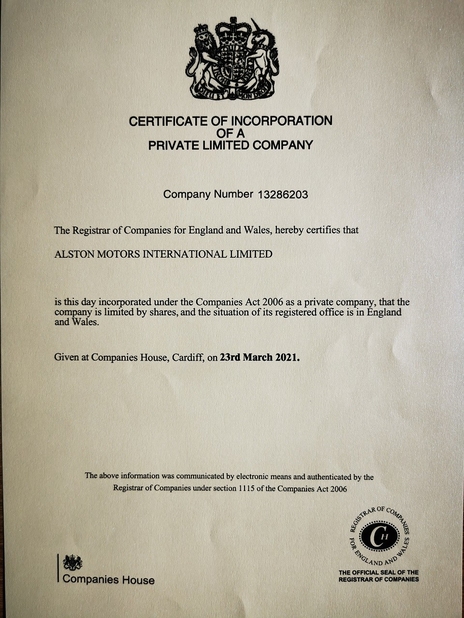
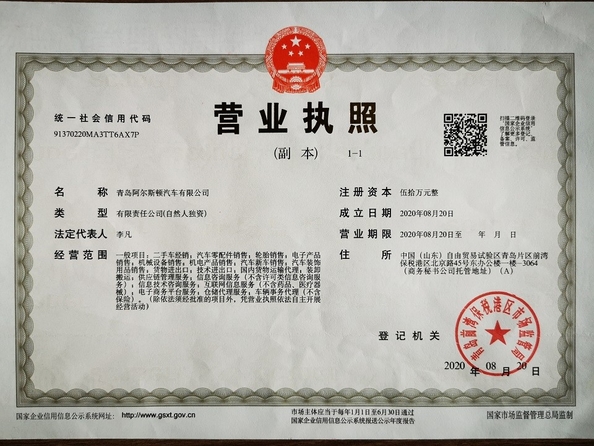
The Qingdao Alston Motors truck export and refurbishment background explains the company's operating scope; it is not a substitute for official inspection documents. For a clearer distinction between servicing and component replacement, use the used HOWO refurbishment records verification guide. General workshop certificates cannot validate an unidentified tanker.
9. How Can Buyers Verify Refurbishment Quality, Fuel Delivery Performance, and Pre-Shipment Inspection Results?
Pre-shipment acceptance should require a signed, vehicle-specific pass-or-correct record for every critical system. For buyers working with Qingdao Alston Motors, acceptance should separately verify tank integrity, dispensing performance, and chassis roadworthiness. Match before-and-after photographs to the chassis and tank numbers, then compare the completed work list with dated test footage and inspection results.
| Acceptance Area |
Evidence Required Before Release |
Hold Shipment When... |
| Tank and mountings |
Identified inspection and leak-test report |
Leakage or structural defects remain |
| Fuel cleanliness |
Compartment inspection and sampling record |
Water, sludge, or residue is unresolved |
| Dispensing circuit |
Measured transfer, meter check, and hose test |
Flow is unstable or fittings leak |
| Safety systems |
Recorded function check |
Emergency isolation fails |
| Truck condition |
Cold-start, brake, PTO, and road-test evidence |
Critical mechanical faults remain |
For a related visual example, watch the used HOWO fuel tanker inspection and delivery equipment video linked from an existing Alston Motors article. Video is supporting evidence, not certification. Buyers can request vehicle-specific tanker inspection details and agree on acceptance criteria and independent tests before shipment.
Frequently Asked Questions
1. Is a 20,000L Used HOWO Fuel Tank Truck Always Legal at Full Capacity?
No. Fuel mass plus the truck's tare weight must remain within permitted gross and axle weights.
2. Can a Tanker Pass a Leak Test but Still Contaminate Diesel?
Yes. Leak tightness and internal cleanliness are separate checks; request both reports.
3. Does a Construction-Site Diesel Tanker Need a Fuel Meter?
A meter is important when quantities must be verified or billed. Check local metrology requirements.
4. What Is the Best Way to Check Pump Output?
Measure a controlled delivery through the installed hose and nozzle against time and a calibrated reference.
5. Can Repainting Prove That a Used Fuel Tanker Has Been Refurbished Properly?
No. Verify structural repairs, mechanical work, system testing, and matching vehicle records.
6. Is a Driving Video Sufficient Before Final Payment?
No. It cannot confirm internal tank cleanliness, dispensing accuracy, or safety certification.
7. What Defects Should Delay Shipment?
Tank leakage, failed emergency shutoff, unresolved contamination, unsafe brakes, or missing mandatory inspection approval.
Written by: Bruce Li, Export Consultant
Reviewed by: Alston Motors Export & Technical Team
Company: Qingdao Alston Motors Co., Ltd

 Your message must be between 20-3,000 characters!
 English